
Last updated November 15, 2026
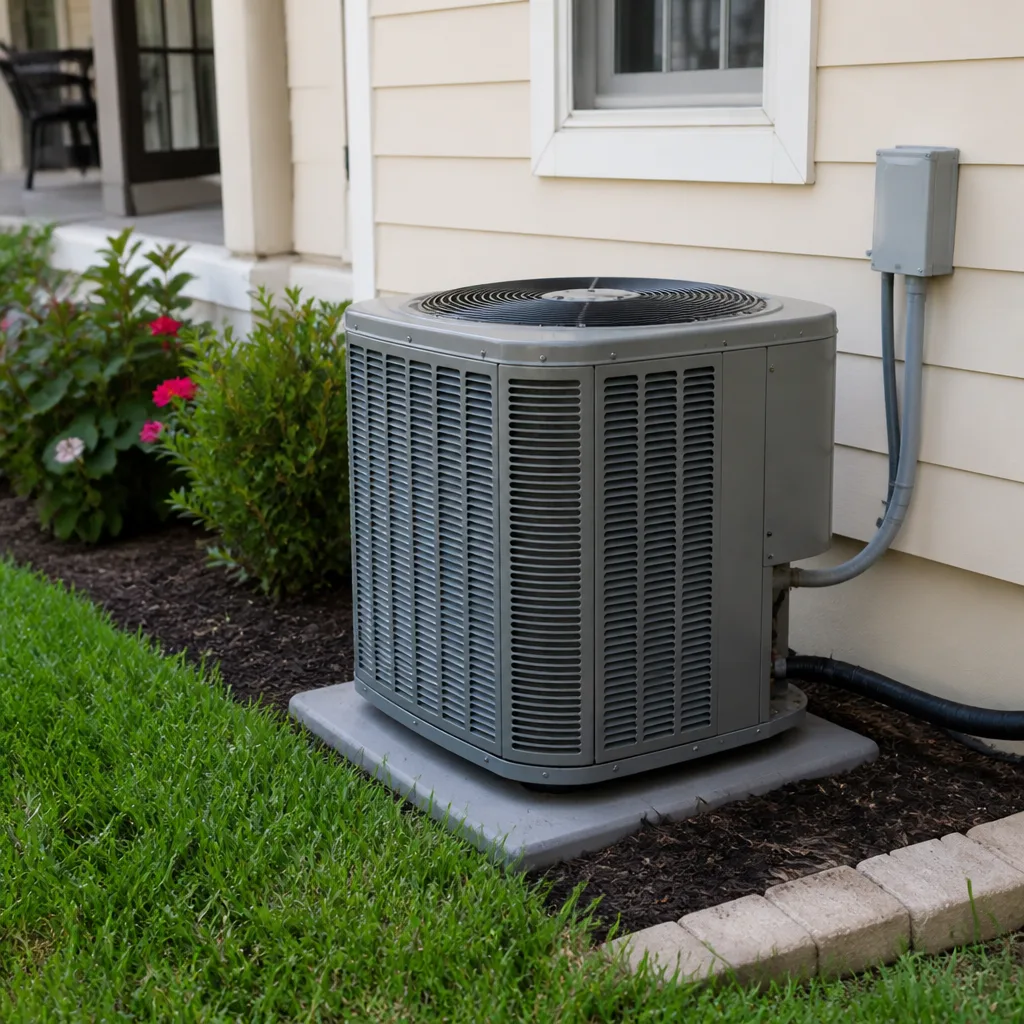 AC repair
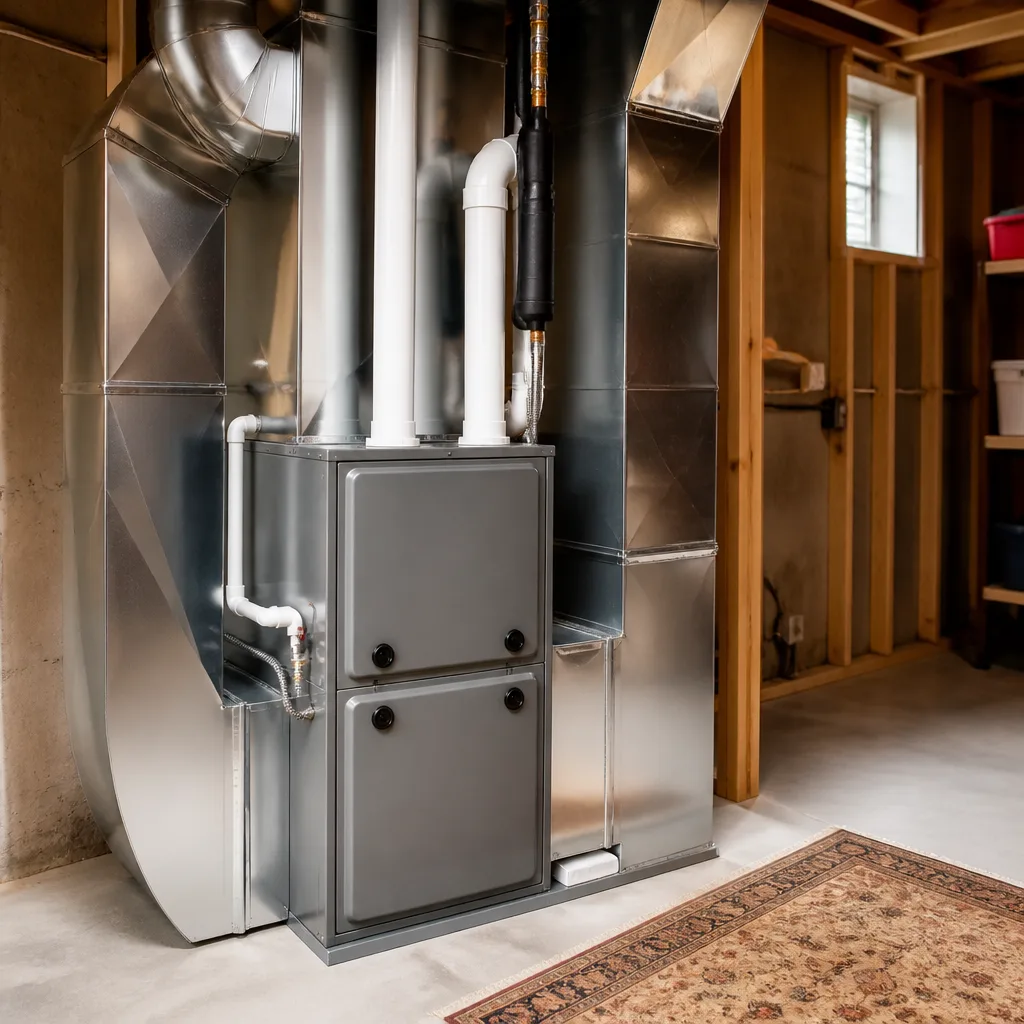 Furnace & heating
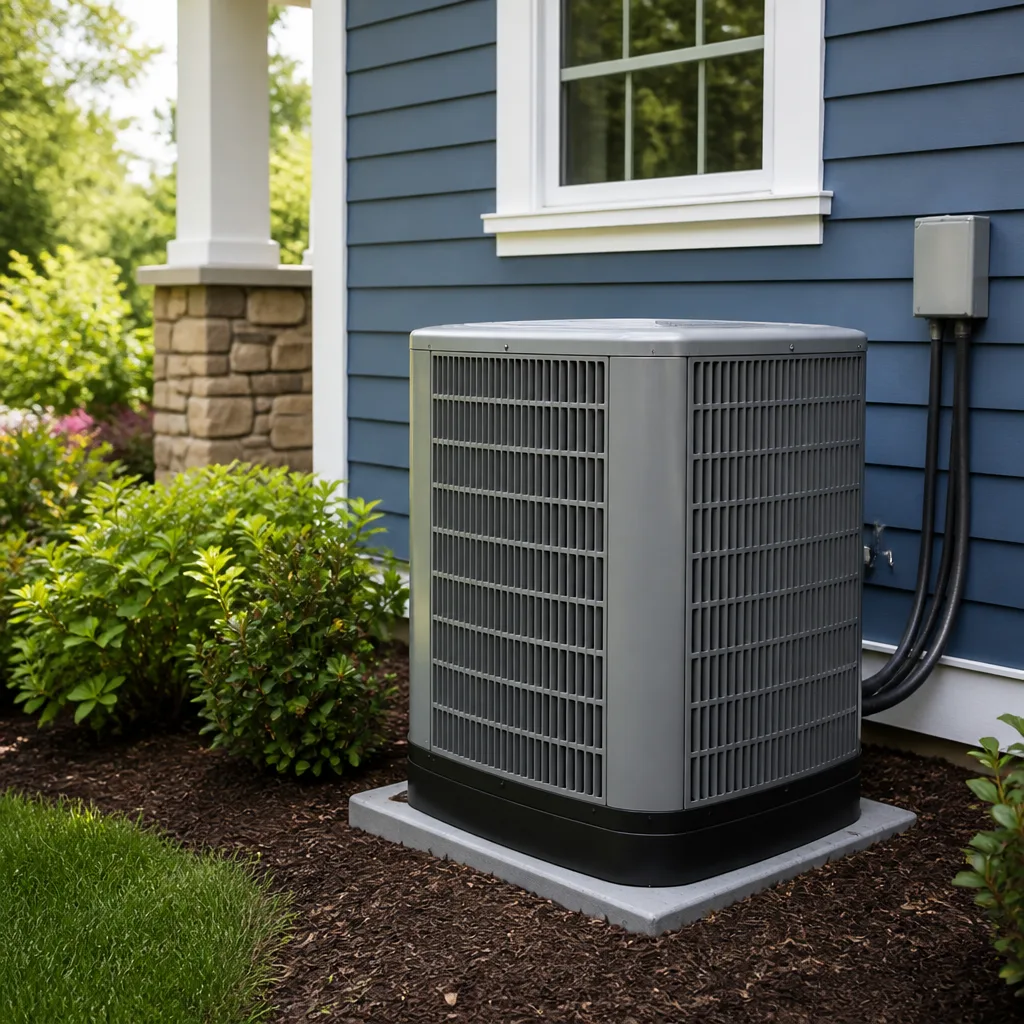 Heat pumps
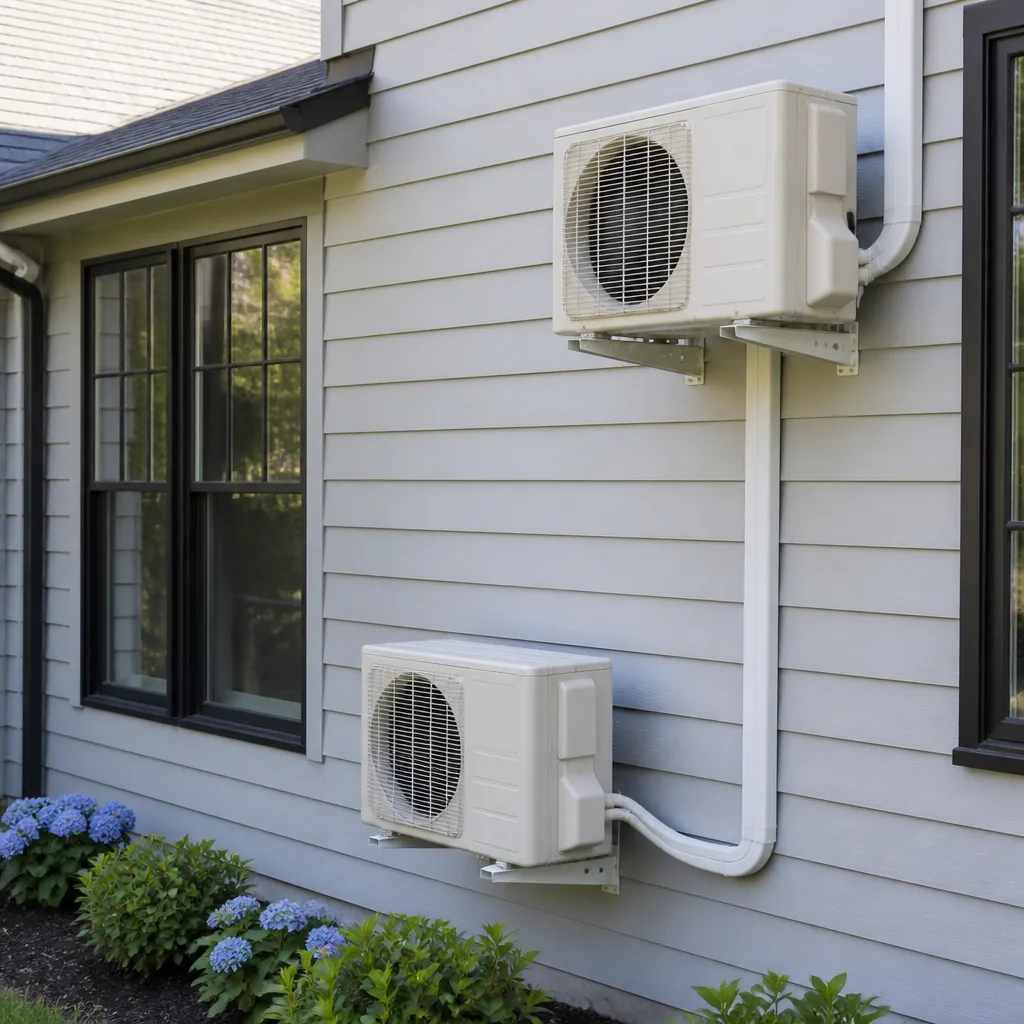 Ductless mini splits
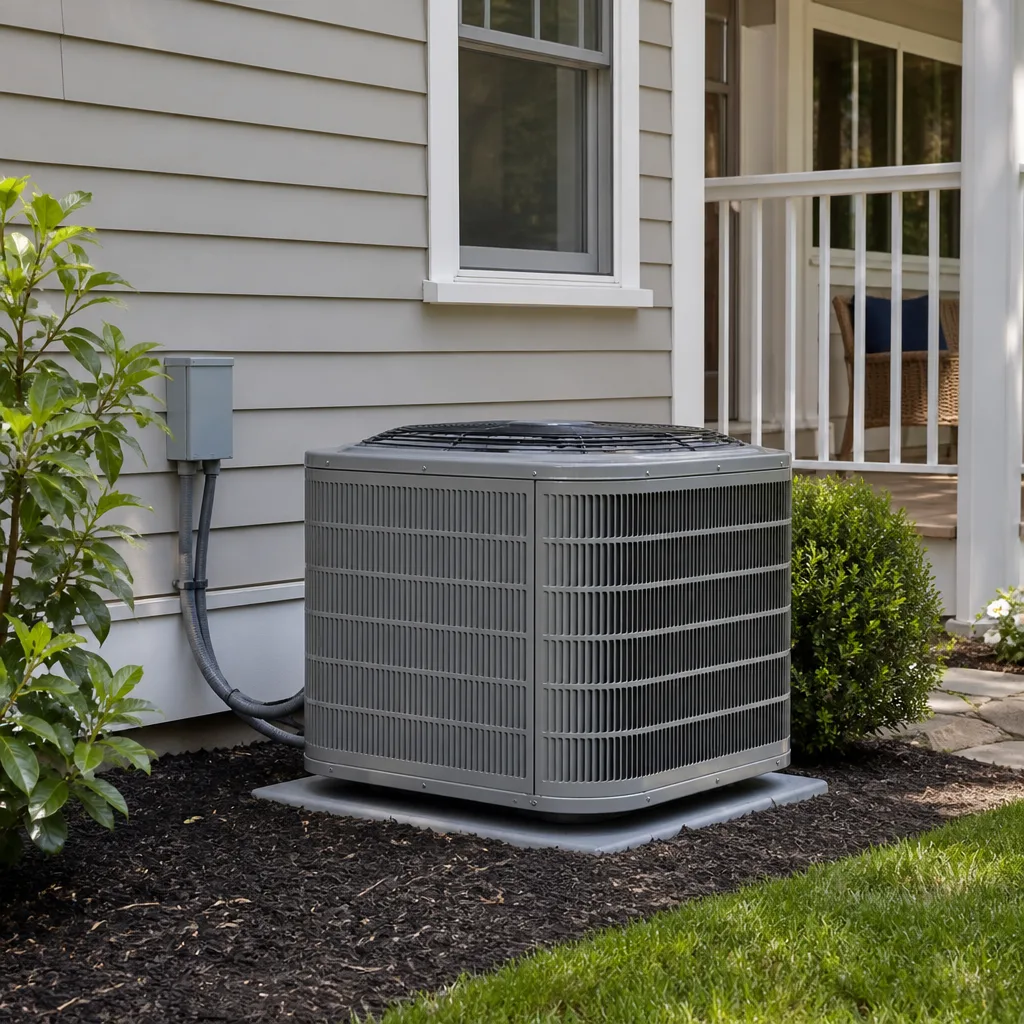 Carrier
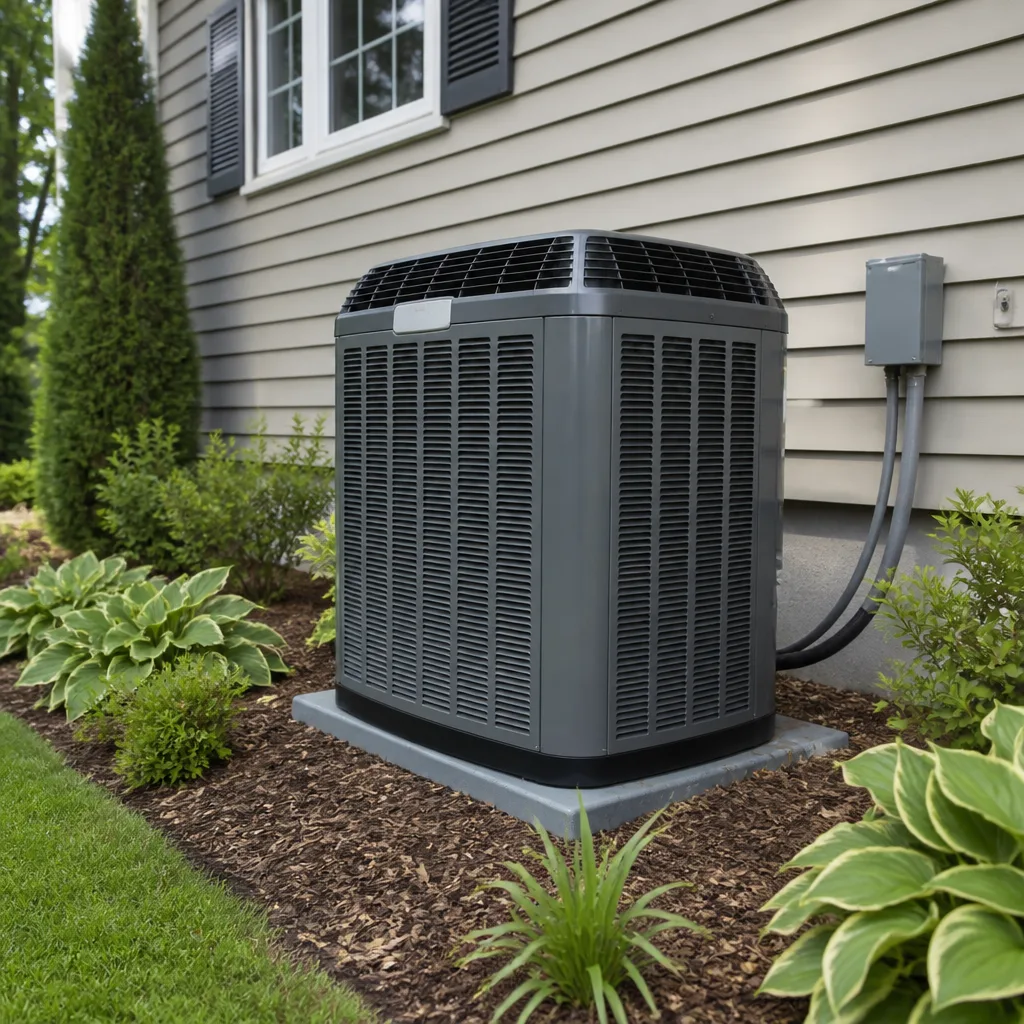 Trane
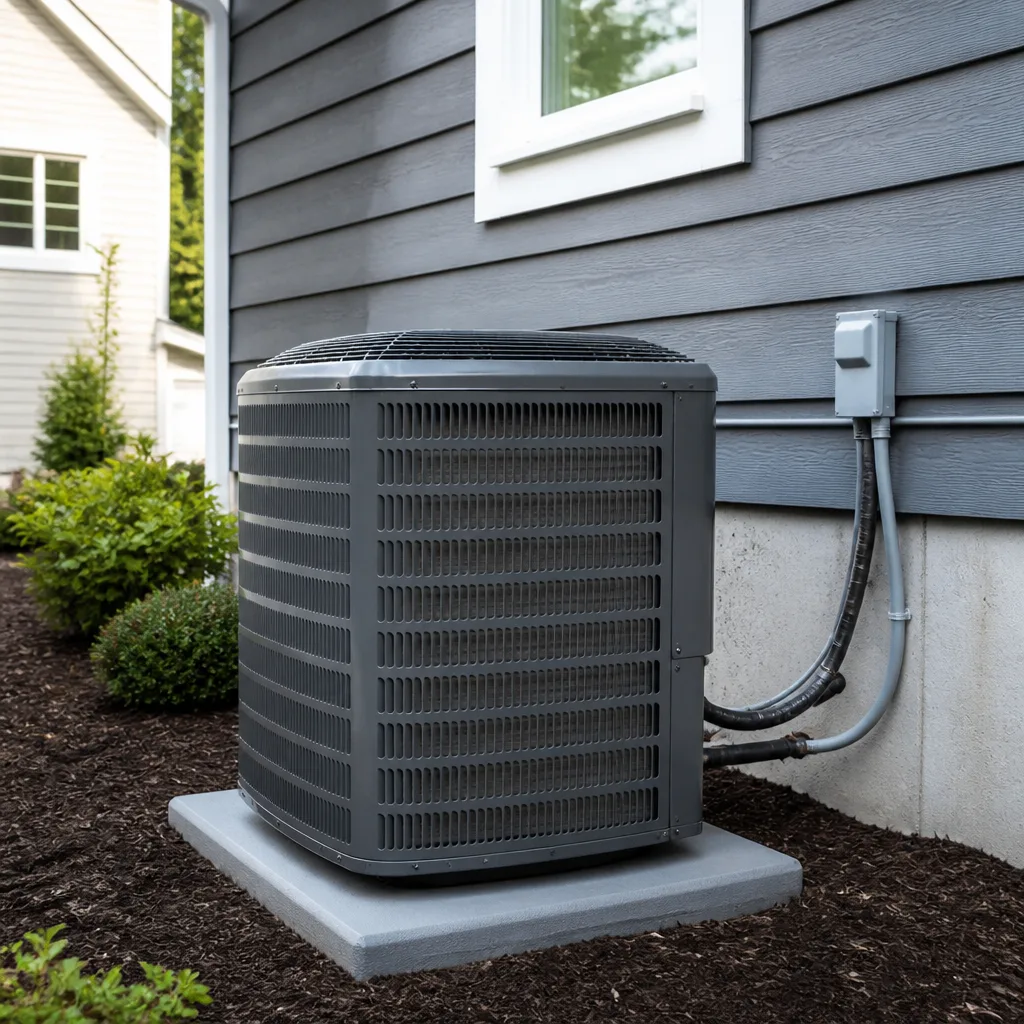 Goodman
Seasonal tune-up and full diagnostic on your Carrier, Trane, or Goodman system - readings shown to you before any repair is proposed
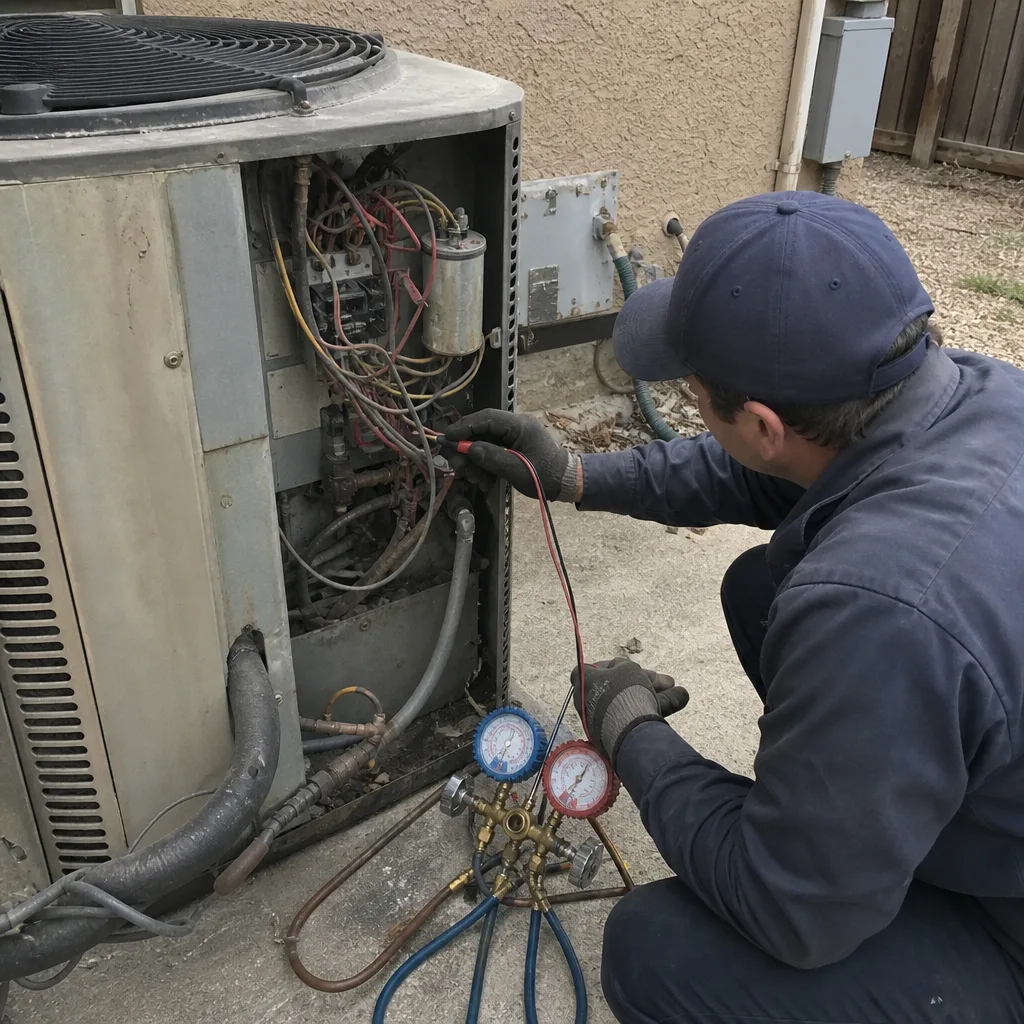
Diagnosis first, numbers second - you approve the repair price before a single part goes in.
Get your free estimateDIY vs Professional HVAC: The Enterprise Homeowner’s Decision Guide
Most homeowners think the DIY-versus-pro question is about skill. It isn’t. It’s about hard stops: work that carries a federal fine, a voided warranty, or a live electrical risk, and work that genuinely requires nothing more than a screwdriver and 20 minutes. In our experience across Enterprise, the expensive mistakes don’t come from people who try too little. They come from people who don’t know where the legal and technical line sits and cross it by accident. This guide draws that line clearly: what the Environmental Protection Agency actually prohibits, what’s safe to do yourself, which DIY habits quietly kill your manufacturer warranty, and how to gather real diagnostic data before you ever call a technician. Enterprise homeowners deserve a straight answer about their own equipment, so that’s what this is.
Quick Answer
The DIY-versus-professional split in HVAC comes down to three categories: tasks that are legal and safe for any homeowner (filter changes, thermostat swaps, condensate drain clearing, visual disconnect box checks), tasks that require a license or federal EPA Section 608 certification (anything touching refrigerant), and tasks that should never be attempted regardless of confidence (gas line work, compressor internals, live electrical diagnosis). If the job involves refrigerant, gas, or opening a live electrical panel, it’s a professional job. If it involves a filter, a thermostat faceplate, or a drain line, it’s yours. Everything else sits in a gray zone that a proper diagnostic visit resolves.
Styles & brands we work with
- AC repair
- Furnace & heating
- Heat pumps
- Ductless mini splits
- Carrier
- Trane
- Goodman
Table of Contents
- Where the Legal Boundary Actually Sits in Nevada
- The Legitimate DIY List: Four Tasks You Can Legally Do
- What Voiding a Manufacturer Warranty Actually Looks Like
- The Cost-of-Error Calculation for Common DIY Mistakes
- How to Gather Diagnostic Data Before Calling a Technician
- Why the Enterprise Desert Climate Changes the Answer
- A Step-by-Step Decision Framework
- When the Decision Isn’t Yours to Make
Where the Legal Boundary Actually Sits in Nevada
The single most important fact in this entire guide: under Section 608 of the Clean Air Act, it is a federal violation for anyone without EPA certification to handle refrigerants, including the refrigerant inside your own home’s air conditioner. This isn’t a company policy or an industry preference. It’s federal regulation, and it applies to homeowners working on equipment they own. The moment a DIY project requires releasing, recovering, adding, or recharging refrigerant, the law has already made the decision for you.
What Section 608 prohibits for an uncertified homeowner is specific:
- Opening a refrigerant circuit. Any procedure that vents, recovers, or adds refrigerant to a closed system requires 608 certification. This includes “topping off” a system that seems low.
- Purchasing regulated refrigerant. Refrigerant is legally sold only to certified technicians; suppliers are required to verify certification before selling.
- Improper disposal or venting. Releasing refrigerant to the atmosphere is prohibited regardless of who owns the equipment.
- Modifying sealed system components. Brazing, cutting, or replacing refrigerant lines falls under the same certification requirement.
What Section 608 does not touch: filters, thermostats, condensate drains, and visual inspection of exterior components. Those sit entirely outside refrigerant handling, which is exactly why they’re the safe DIY zone. If you’re ever unsure whether a task crosses the certification line, ask a certified technician before you start. AC repair work that stays on the legal side of that boundary is what our technicians do every day in Enterprise.
Nevada also adds a layer of contractor licensing: any work performed for compensation must come from a licensed HVAC contractor, and that licensing protects homeowners from unlicensed practitioners who cut corners. When you hire a professional, ask for licensing and insurance information upfront; that’s the minimum check any reputable company expects.
The Legitimate DIY List: Four Tasks You Can Legally Do
Here’s the counterintuitive part of this guide: some of the most valuable maintenance you can perform on your own system requires no certification, no license, and no special tools. Doing these four tasks well extends equipment life, keeps your energy bills honest, and costs you almost nothing.
1. Air Filter Replacement
Turn the system off at the thermostat, locate the filter slot (typically at the return grille or inside the air handler cabinet), pull the old filter, and slide in a new one with the airflow arrow pointing toward the equipment. In Enterprise’s dusty desert air, filters load up faster than most national maintenance schedules assume. Check yours monthly during cooling season and replace when visibly gray. A restricted filter forces the blower to work harder and can trigger a frozen coil during the hottest weeks.
2. Thermostat Swap
Kill power at the breaker first. Photograph the wire terminals before disconnecting. Remove the faceplate, unscrew the base, match each wire to the same terminal letter on the new base, and mount. This is a genuine DIY win, and it’s the one upgrade that pays back immediately through better scheduling. Our technicians see plenty of thermostats that were wired backwards or left with a loose common wire; if you’re unsure, the safe move is to stop and call.
3. Condensate Drain Clearing
Locate the condensate line leaving the air handler and find the access cap or tee. Flush with a cup of distilled vinegar to break down buildup, then check the drain pan for standing water. A clear drain prevents the water damage that most often appears when a drain clogs mid-summer. In dry Enterprise, condensate runs constantly during the cooling season, so this deserves a monthly check.
4. Visual Disconnect Box Inspection
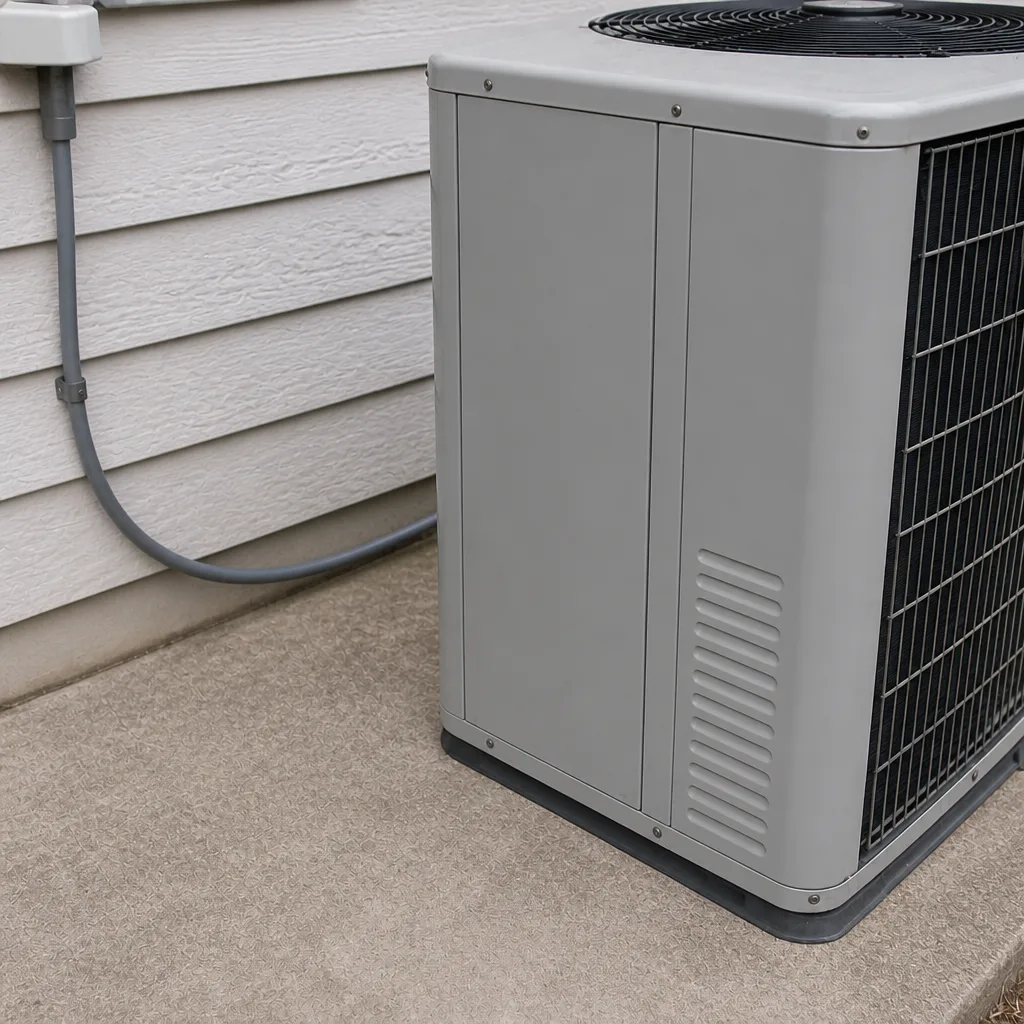
Locate the exterior disconnect box near the condenser. With the power physically off at the breaker and confirmed with a non-contact voltage tester, look for obvious signs of scorching, melted insulation, or insect intrusion. If anything looks wrong, close the box and call a professional immediately. This is a look-only task; never touch wiring or attempt to tighten terminals yourself.
That’s the whole legal DIY list. Everything more involved deserves a technician, and that’s where being honest about the boundary saves homeowners money.
What Voiding a Manufacturer Warranty Actually Looks Like
Manufacturer warranties on major brands like Carrier, Trane, Lennox, and American Standard typically cover parts for a defined period, but they carry conditions. In our experience, the most common warranty-killers are the exact things a confident homeowner does out of frustration.
The DIY actions that most often void a warranty:
- Any unverified refrigerant handling. If a system shows signs of refrigerant loss and an uncertified person adds or removes refrigerant, the manufacturer’s records will show an improper repair. That’s a warranty denial waiting to happen, and getting a warranty honored afterward is much harder than getting it right the first time.
- Bypassing safety switches. Jumping a float switch, pressure switch, or high-limit control to keep the system running is one of the fastest ways to lose coverage. It also creates a real equipment hazard.
- Installing mismatched parts. A capacitor or contactor bought from a generic supplier without verifying the microfarad rating or voltage spec can damage the compressor or blower motor and turn a minor repair into a replacement.
- Failed maintenance records. Many manufacturers require documented professional maintenance as a condition of the extended warranty. Skip every check-up for years, and you may discover the maintenance clause is what actually matters.
- Physical or electrical damage from DIY attempts. A homeowner who pokes around a control board and shorts it out won’t usually get the board covered, because the damage clearly came from outside the equipment’s normal operation.
The honest version of the warranty conversation is this: the manufacturer determines what’s covered based on records and documentation, so the best defense is a clear service history and certified professionals on the repairs that carry risk. When you call AC Repair Enterprise, we document the diagnosis and the work, which is exactly the record a warranty claim needs.
The Cost-of-Error Calculation for Common DIY Mistakes
Here’s where the DIY math gets uncomfortable. A well-executed DIY task saves money. A misdiagnosed one costs far more than the professional call that would have been cheaper.
The classic example in our experience: a homeowner with a warm house swaps the capacitor after watching a video, gets the system blowing again, and assumes the fix worked. Six weeks later the compressor fails. What actually happened is that the failing capacitor was masking a deeper electrical problem, and the “fix” let the compressor run out of spec until it failed permanently. The original diagnostic call would have caught the underlying issue. The equipment replacement that follows runs into the high four figures, versus a repair that likely would have stayed well below it. That’s the cost-of-error calculation: not the price of the failed part, but the price of the failure the failed part was warning you about.
The pattern repeats in these common ways:
- Replacing parts without diagnosis. Capacitors, contactors, and thermostats are cheap and easy to swap; guessing which one is failed is expensive. Without meter readings and a proper electrical check, you’re substituting parts and hoping.
- Topping off refrigerant. The customer sees liquid escaping during a top-off, assumes the problem is solved, and misses that the system has a leak the professional would have located and fixed. The leak continues to drain refrigerant and stress the compressor until the compressor fails.
- Sealing a frozen coil to force defrost. Blocking a frozen evaporator or bypassing a defrost control forces the compressor to run under load it wasn’t designed for, and the cost shows up later as an early replacement.
- Replacing a thermostat to chase a symptom. Many “bad thermostats” are actually a failing control board, a bad low-voltage wire, or a communication fault. A DIY thermostat swap doesn’t fix any of those, and the underlying fault may get worse.
The pattern to trust: if a repair involves swapping a part you can’t diagnose with a meter reading, stop and get the diagnosis first. A proper diagnostic visit from a AC installation-trained technician is the cheapest part of the job and the most valuable.
How to Gather Diagnostic Data Before Calling a Technician
You don’t have to be a technician to produce good data. In fact, half the value of a service call is what the homeowner can tell the technician before the first tool comes out. Here’s how to collect the information that speeds up every subsequent step.
- Write down the symptoms in order. When did the system stop cooling or heating cleanly? Is the indoor blower running while the outdoor unit sits silent? Is the thermostat blank or showing a fault code? A short timeline tells a technician what they’re walking into.
- Read the thermostat fault codes. Modern thermostats, including many Carrier and Trane models, display short diagnostic codes when equipment faults occur. Write the code down exactly. It’s the most useful piece of information you can offer.
- Use manufacturer apps if you have them. Several major brands offer homeowner-facing apps that report system status, run-time hours, and alerts without touching the equipment itself. Those read-only apps produce genuinely useful data; anything that requires opening the equipment is a technician’s job.
- Photograph the equipment nameplate. The model and serial number on your indoor and outdoor units tell a technician what you actually have, which determines everything from parts availability to warranty coverage. That single photo can save a return visit.
- Note the last professional service date. If the system was last checked three years ago versus last season, the technician’s priorities change immediately.
- Check the breaker state without touching anything else. Look only; don’t cycle breakers repeatedly, and never open the electrical panel if anything smells scorched.
That data set is what our technicians use on arrival to skip the guesswork. In Enterprise, we cover nine major equipment lines: Carrier, Trane, Lennox, Goodman, Rheem, York, Daikin, Bryant, and American Standard. That means the technician walking through your door usually knows your equipment family before opening the panel, which shortens diagnosis and gives you a straight answer faster.
Why the Enterprise Desert Climate Changes the Answer
In Enterprise, the DIY-versus-pro calculus has a local twist that national advice misses. Desert conditions are harsh on HVAC systems in ways that make maintenance consistency more valuable, and the results of a neglected system more expensive. The dust load in the air means filters clog faster than the “change every three months” rule assumes, so homeowners who replace filters monthly get noticeably better performance and equipment life. The summer heat means systems run for far more annual hours than they would in a milder climate, and that long run-time has two effects: components wear faster, and the value of each skipped professional check-up compounds.
Local geography matters too. Enterprise’s neighborhoods stretch across areas with different sun exposure, wind patterns, and exterior equipment placement, and those differences show up in how frequently each unit strains during the hottest weeks. A west-facing condenser in full afternoon sun works harder than one under shade, and the filter you skip costs a shaded unit less than it costs an exposed one.
What this means for the DIY-versus-pro decision in Enterprise: do the four legitimate DIY tasks faithfully and on a stricter schedule than the manuals suggest. And get a professional diagnosis at least once a year, because in this climate, a small issue discovered in spring is far cheaper than the same issue discovered in July. When an Enterprise homeowner calls us before the heat peak, we can often identify a worn part or a low charge before it becomes an emergency.
A Step-by-Step Decision Framework
When a system stops performing, the decision tree should be short. This is the framework we use on every call, and it works for homeowners deciding whether to call.
- Ask what the task touches. If it touches refrigerant, gas, or live electrical wiring, it’s a professional job. No exceptions.
- Check whether you have the tools to diagnose the actual fault. Voltmeter, microfarad meter, gauges. If you’re missing any of them, you can’t diagnose; you can only guess. Guess-work is the expensive path.
- Confirm whether the task is in the four-task safe list. Filters, thermostat swaps, condensate lines, and visual disconnect inspection are the whole list. Everything else earns a call.
- Gather your diagnostic data. Symptoms, fault codes, nameplate photos, last service date. Data speeds up the visit and reduces the chance of a return call.
- Ask whether the DIY attempt could void your warranty. If any chance exists, don’t touch it. The warranty is worth more than the task.
- If the diagnosis points to a repair, weigh repair versus replacement. Ask for an honest answer. Some systems are genuinely at end of life; most are not. We lean repair-first on every call because honesty protects the relationship better than an upsell ever could.
If the diagnosis points to a replacement, our AC installation team sizes the new equipment to the home and the climate rather than to a catalog page. A properly sized unit that matches your home is the single most important factor in long-term efficiency, and it’s the one decision most homeowners get wrong when choosing the cheap option.
When the Decision Isn’t Yours to Make
Some failures escalate beyond the DIY boundary by their nature, not by preference. When the problem involves the gas line to a furnace, live electrical components inside the cabinet, or a refrigerant circuit that’s been opened by someone else, the professional visit isn’t a convenience. It’s the required starting point.
Furnace repair is the clearest case: gas connections, ignition systems, and heat exchangers carry real safety consequences, and no amount of confidence substitutes for an inspection. If you smell gas, the correct response is to leave the home and call for help immediately, not to investigate. Likewise, any electrical fault near the air handler or disconnect warrants a trained technician because the health of both the equipment and the people in the house can depend on how it’s handled. And if a prior DIY attempt has already opened the refrigerant circuit, the system is drawn down, and getting it back online safely is a certified professional’s job.
In our experience, the homeowners who end up with the lowest overall HVAC costs aren’t the ones who DIY the most; they’re the ones who know exactly where the boundary is, handle the simple work faithfully, and call for the work that isn’t optional. That’s the professional preference we follow: your system, diagnosed correctly, with a repair-first answer that respects what you already own.
Common Mistakes to Avoid
- Attempting a refrigerant top-off. Handing a cylinder to an uncertified person is a federal violation, and it hides the leak that caused the loss in the first place. It’s also the fastest way to void a warranty on major equipment lines.
- Bypassing a float or pressure switch to force cooling. Jumping a safety switch keeps the system running but removes the protection that prevents water damage or compressor failure. It’s the most common warranty-killer we see.
- Buying generic replacement parts without matching specifications. A capacitor with the wrong microfarad rating or voltage rating physically fits and electrically fails. Always match the nameplate spec, or the next failure is on you.
- Skipping filter changes during the dusty season. In Enterprise’s desert air, monthly checks during cooling season are the honest minimum. Letting a filter load to the point of airflow restriction forces the blower and compressor to run harder all summer.
- Opening the disconnect box assuming “it’s just a look.” The disconnect carries line voltage. If you haven’t confirmed power is off at the breaker with a tester, close it and walk away. Electrical contact is not a recoverable mistake.
- Hiring an unlicensed HVAC contractor to save money. Nevada requires licensing for compensated work, and unlicensed jobs carry real legal and safety exposure. Always verify license and insurance before letting anyone touch the equipment.
- Letting a small cooling symptom wait until the hottest week. A system that isn’t cooling cleanly in June is a minor diagnosis; the same symptom in July is an emergency in Enterprise. Address it early.
See the difference
 Before
 After
 Before
 After
 Before
 After
When to Call a Professional
Call a professional the moment any of the following are true: the system touches refrigerant, the furnace’s gas side is involved, there’s a burned smell near the equipment, the breaker trips repeatedly, the outdoor unit runs but the indoor blower is silent, or a prior DIY attempt has left the system opened or damaged. Those are technical situations with real consequences, and no amount of confidence replaces EPA certification or the right meter reading. Our technicians have up to 12 years of experience diagnosing exactly these cases, and on every call they’ll tell you honestly whether a repair is viable before mentioning a replacement. AC Repair Enterprise offers free estimates in Enterprise. Call (833) 632-6348, and we’ll walk you through the diagnosis and the options person to person.
Frequently Asked Questions
No. Handling refrigerant requires EPA Section 608 certification under the Clean Air Act, and that applies to homeowners working on their own equipment. Topping off your own system without 608 certification is a federal violation, and the supplied refrigerant has to come from a certified technician anyway. Call (833) 632-6348 for an estimate; we handle refrigerant legally and correctly.
A thermostat swap done carefully, with power off and wires matched to the correct terminals, typically won’t affect your warranty coverage. The risk isn’t the swap itself; it’s what the swap might mask. If a thermostat gets replaced and the real fault is a control board or a low-voltage issue, that underlying fault keeps progressing without anyone noticing. If your system resets and immediately faults again, call us for a proper diagnosis.
Compare the task against a four-item list: filter replacement, thermostat swaps, condensate drain clearing, and visual disconnect inspection with power confirmed off. If the task isn’t on that list, it’s a professional job. Anything involving refrigerant, gas, or live electrical components is a hard stop, not a judgment call. If you’re unsure, call (833) 632-6348; a diagnostic estimate is free and it answers the question definitively.
A misdiagnosed repair is often cheaper than a professional call in the moment and far more expensive within the year. The classic case is a capacitor swap that restores cooling short-term while hiding a compressor issue, and the eventual equipment replacement dwarfs the original diagnostic visit. The general pattern: if the repair doesn’t come from an actual diagnosis, the cost of the mistake is usually the next repair plus this one.
Desert dust loads filters faster and the long cooling season puts more run-hours on the equipment, so monthly filter checks and regular condensate clearing are more important here than in a milder climate. The safe DIY list doesn’t change; the schedule for it tightens. If your system has run for years without a professional check, call for a proper diagnosis before the next summer, not during it.
We work on the brand you already have. Our technicians are certified on nine major equipment lines: Carrier, Trane, Lennox, Goodman, Rheem, York, Daikin, Bryant, and American Standard. That means we don’t turn you toward a different brand just because it’s what we happen to stock; the recommendation follows your equipment and your budget. If you’d like a straight answer on repair versus replacement, call (833) 632-6348 for a free estimate.
The Bottom Line
The DIY-versus-professional question in HVAC is not about your confidence. It’s about regulatory and technical hard stops. Section 608 of the Clean Air Act makes refrigerant handling off-limits for uncertified homeowners, applying federal rules to your own system. Four tasks remain squarely yours: filter replacement, thermostat swaps, condensate drain clearing, and visual disconnect inspection, done with power confirmed off. Everything more involved earns a professional call, because the cost of a misdiagnosed repair is usually higher than the diagnosis that would have caught it. Keep those four tasks on a tighter schedule in Enterprise’s dusty climate, gather your fault codes and nameplate photos before calling, and check with a technician on any warranty question. The rest of the decisions become simple once the line is clear.
If your system has stopped cooling, the furnace has failed, or you’re weighing repair against replacement on equipment you didn’t choose yourself, call (833) 632-6348 for a free estimate. Ask for the honest repair-first answer. We’ll diagnose the equipment correctly, tell you what it would take to fix it, and let you decide with clear information.
Written by the team at AC Repair Enterprise.