
Last updated November 15, 2026
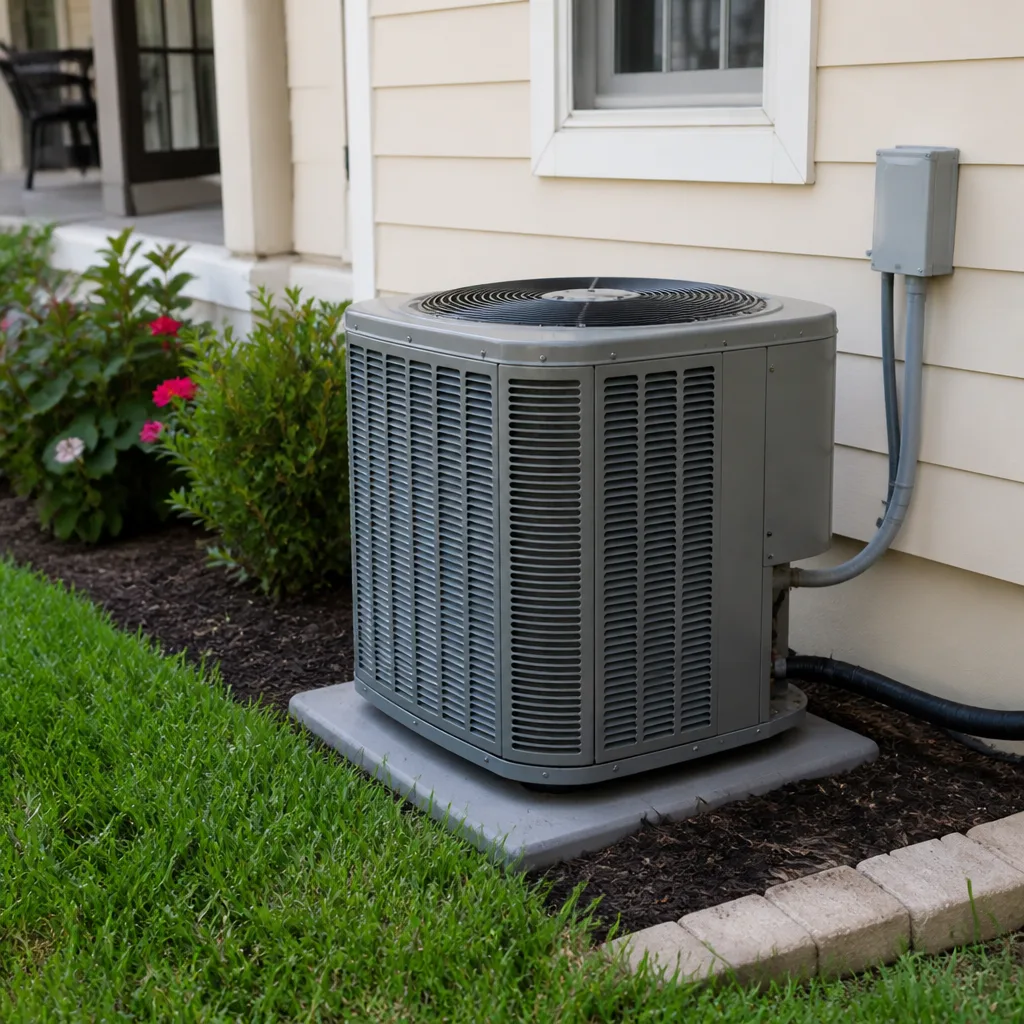 AC repair
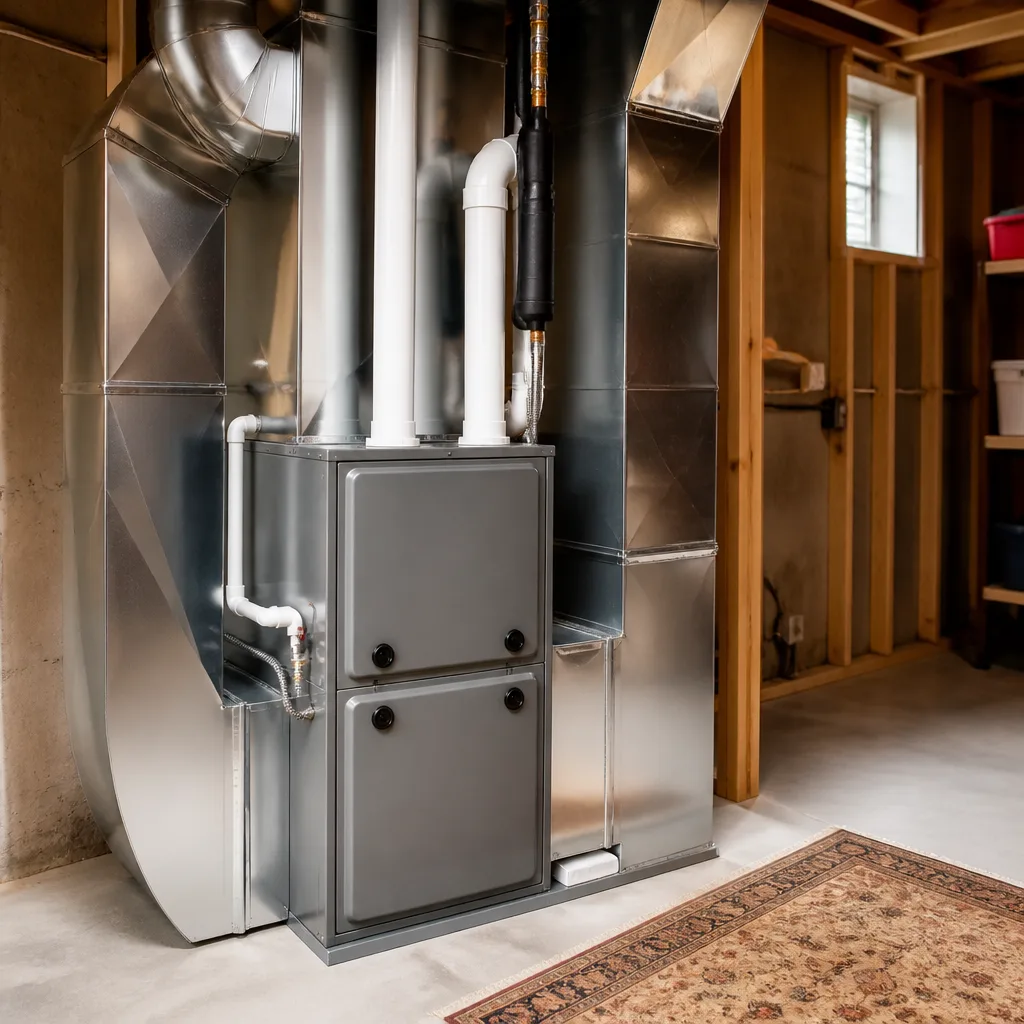 Furnace & heating
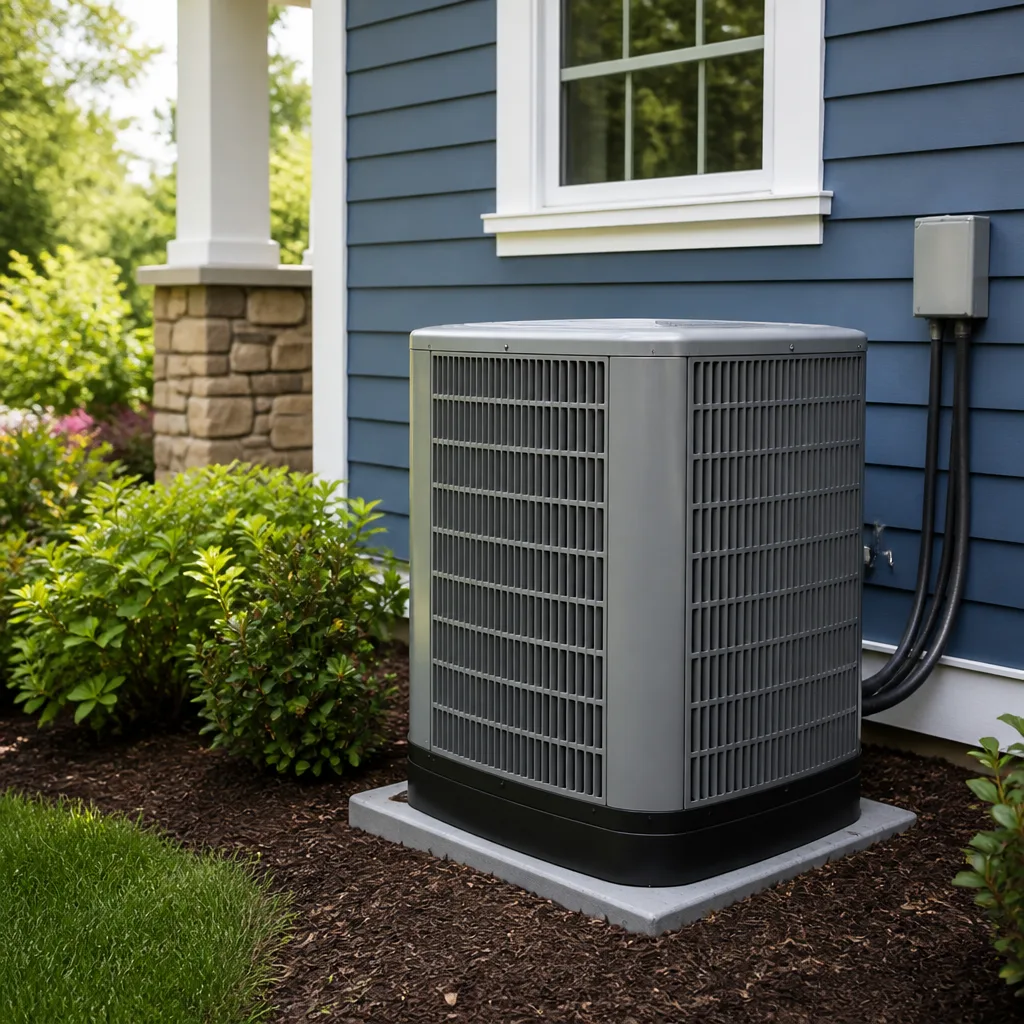 Heat pumps
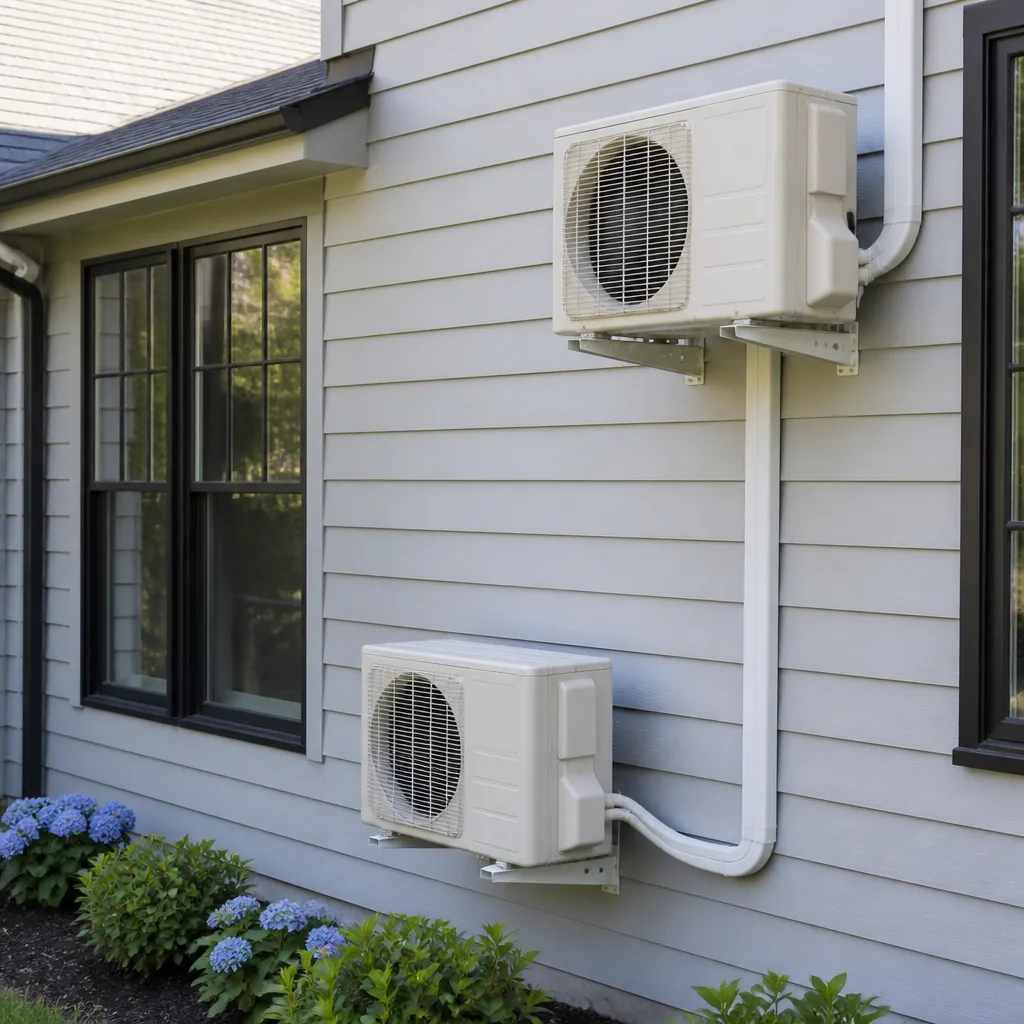 Ductless mini splits
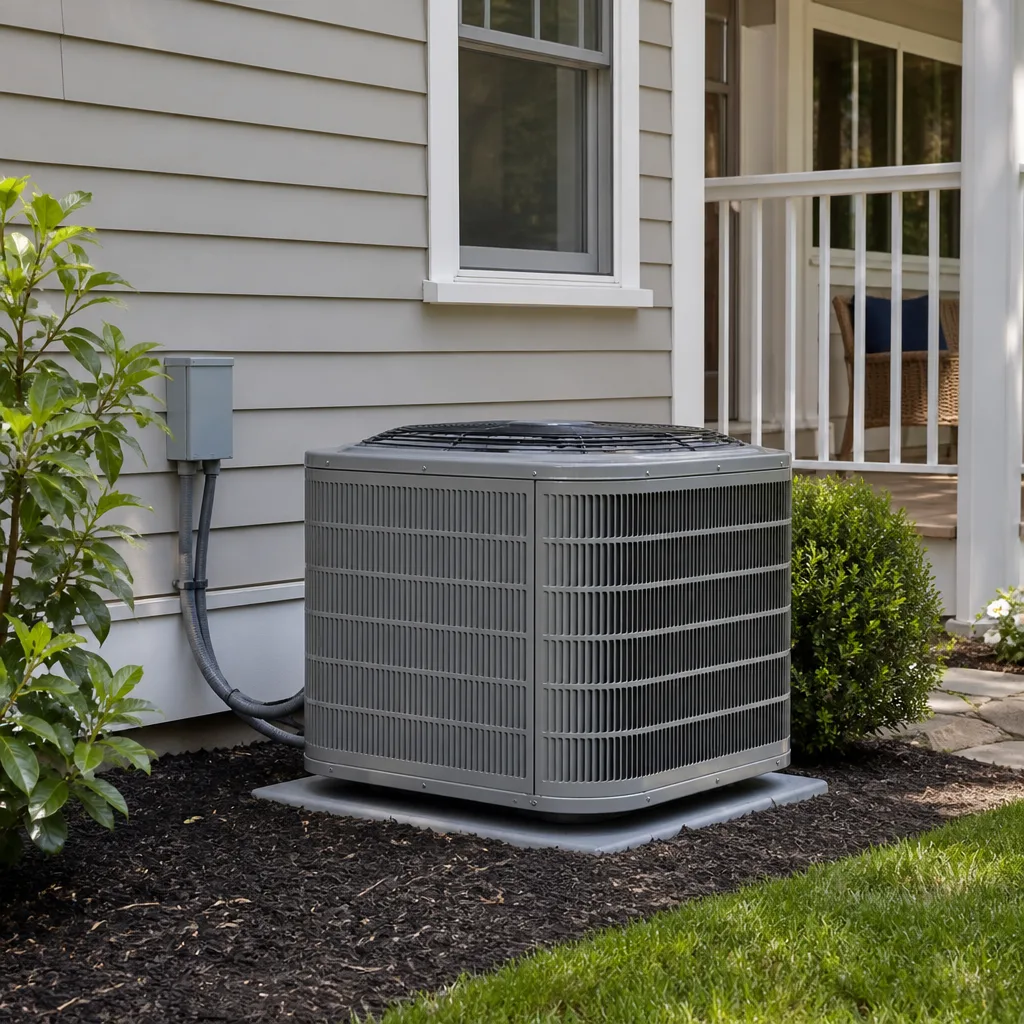 Carrier
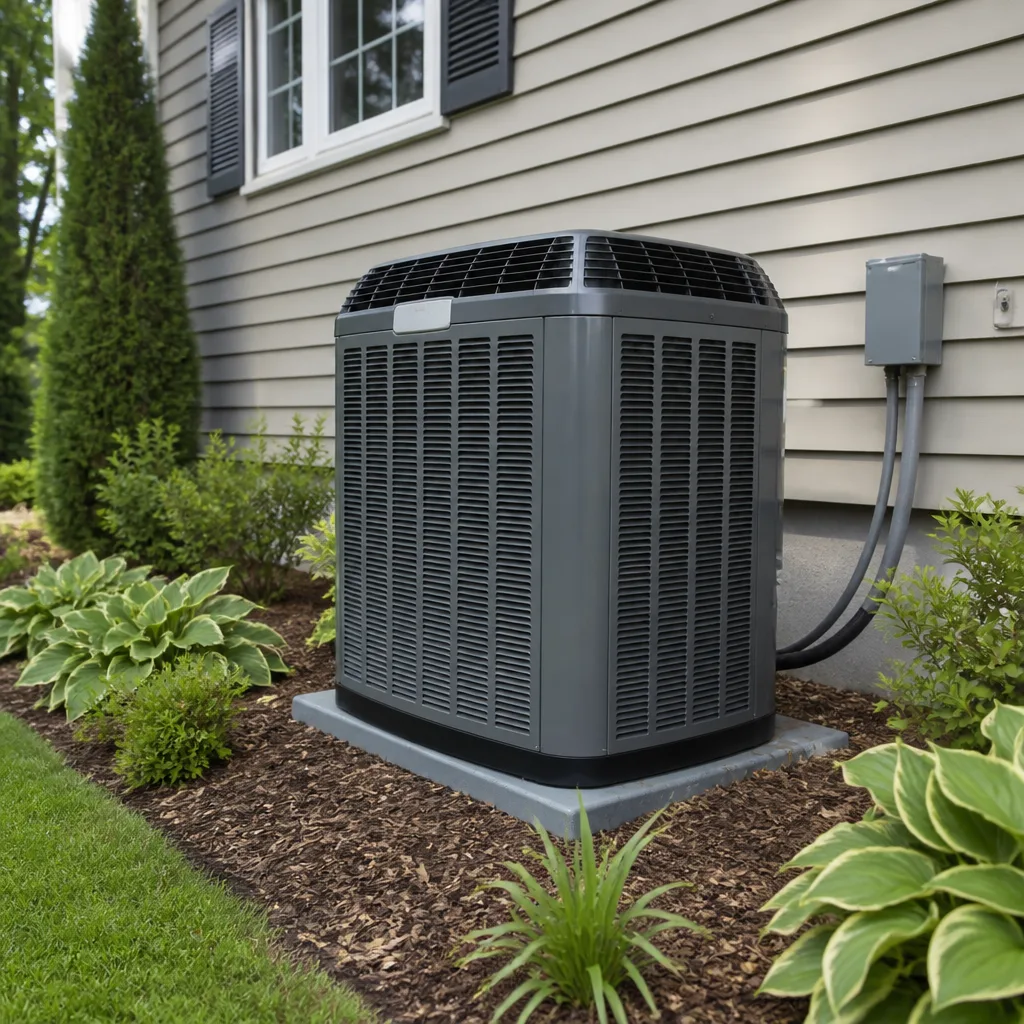 Trane
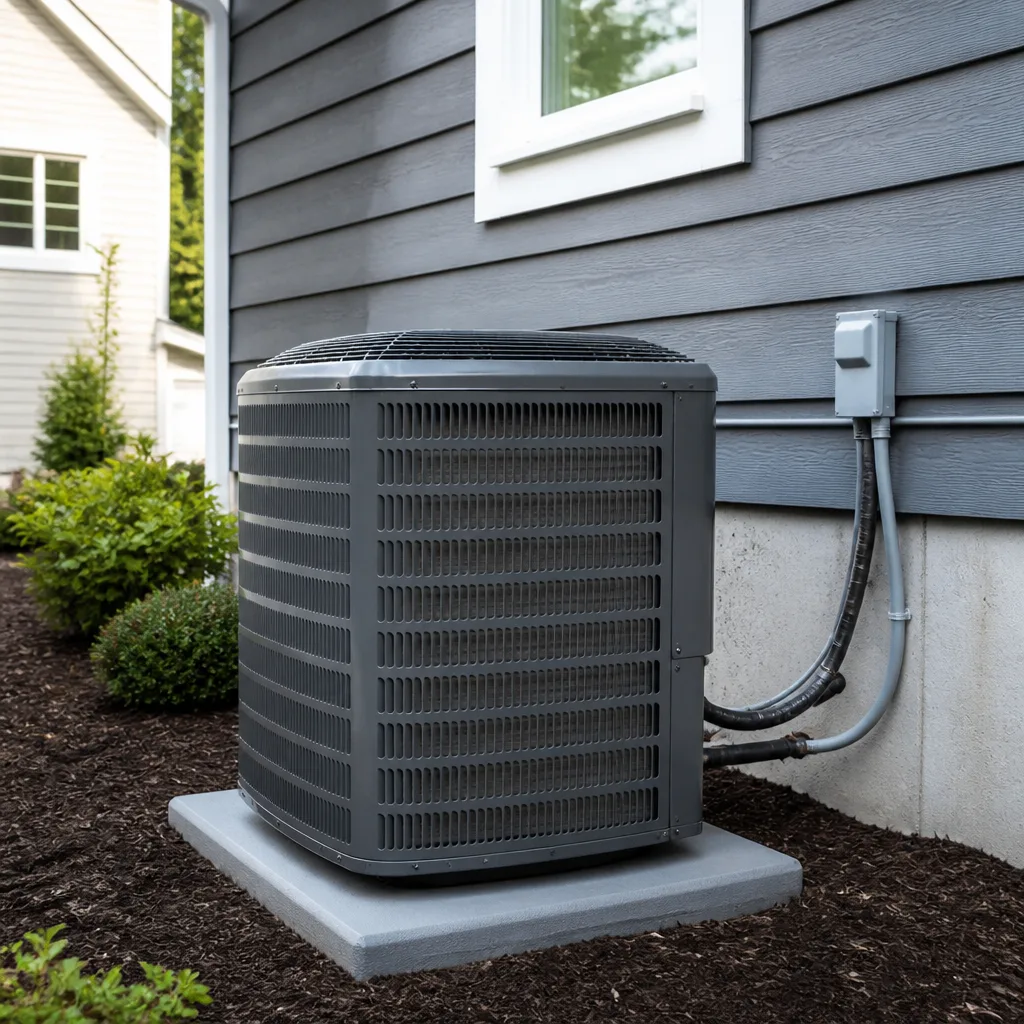 Goodman
Seasonal tune-up and full diagnostic on your Carrier, Trane, or Goodman system - readings shown to you before any repair is proposed
Diagnosis first, numbers second - you approve the repair price before a single part goes in.
Get your free estimateThe Complete AC Repair Guide for Enterprise Homeowners
Most AC repair advice you’ll find online was written for a mild four-season climate where a system might see 30 or 40 days of hard heat a year. Enterprise isn’t that place. Summer ambient temperatures here routinely push past 110°F, and an air conditioner rated for design conditions runs well beyond them for weeks at a stretch. That changes what breaks, when it breaks, and how a technician has to diagnose it. A pressure reading that looks normal on a national troubleshooting chart can be genuinely misleading on a rooftop unit in Enterprise in July. This guide is built around the equipment and conditions you actually have: how desert heat distorts diagnosis, why a Carrier failure and a Trane failure with the same symptom often need different testing sequences, and how to tell a repair that buys two years from one that restores the full life of the system.
Quick Answer
AC repair in Enterprise usually comes down to three decisions: is the fault a straightforward component failure or a sign the whole system is worn out, does the diagnosis account for extreme desert heat or was it read off a generic chart, and is the repair worth doing on equipment that’s already a decade old. In our experience, most summer breakdowns here are repairable, and the honest answer to “repair or replace” depends far more on the specific brand and age of the equipment than on the symptom itself. Getting a technician who knows your brand is the single biggest factor in whether the fix holds.
Styles & brands we work with
- AC repair
- Furnace & heating
- Heat pumps
- Ductless mini splits
- Carrier
- Trane
- Goodman
Table of Contents
- Why Desert Heat Changes AC Diagnosis in Enterprise
- Brand-Specific Repair: Why Carrier, Trane, Lennox, and Goodman Fail Differently
- The Two Kinds of Repair: Two Years Versus Full Equipment Life
- The Ten-Year Cost-Benefit Calculation in Enterprise
- A Prioritized Repair Decision Framework
- What a Proper AC Diagnostic Looks Like
- How AC Repair Costs Work
- What Actually Prevents Breakdowns Here
Why Desert Heat Changes AC Diagnosis in Enterprise
An air conditioner is designed to reject heat from your home into the outdoor air. The hotter that outdoor air is, the harder the system has to work to do it, and the closer the refrigerant pressures climb toward the top of their normal window. At 110°F and above, many systems are operating at or past their rated design condition. That has a direct effect on what a technician sees with gauges attached.
A system that’s slightly low on refrigerant can look reasonably normal at 95°F and then fall apart at 112°F. A condenser coil that’s 20% blocked by dust reads fine in spring and spikes in July. The technician who reads a pressure and calls it “within range” based on a chart built for cooler climates may miss the real problem entirely. In our experience, high-side pressures in Enterprise during peak summer run high enough that a generic chart is close to useless. Diagnosis here has to be relative: what should this equipment read at this outdoor temperature, on this brand, at this age.
A few things that come up specifically because of the heat:
- Condenser coil fouling. Desert dust and cottonwood debris pack into outdoor coils faster than in humid climates, and a partially blocked coil mimics a refrigerant fault.
- Capacitor and contactor failures. Electronics in the outdoor unit sit in a metal box in full sun. Heat accelerates the failure of start and run capacitors more than almost any other component.
- Refrigerant charge drift. Small leaks that would take years to matter in a mild climate can push a system out of range in a single hot season, because the system is already running near its limit.
- Duct losses in attics. Attic temperatures here climb well above outdoor ambient. Ductwork running through that space loses cooling capacity in a way that looks like a failing system but isn’t.
The practical takeaway: if a technician diagnoses your system without asking what the outdoor temperature is, or without checking the equipment’s own rated capacity, the diagnosis is incomplete. That’s not a knock on the trade; it’s a difference between climates. A national troubleshooting guide simply can’t anticipate a 115°F afternoon in Enterprise.
Brand-Specific Repair: Why Carrier, Trane, Lennox, and Goodman Fail Differently
Two systems can show the same symptom, say “not cooling enough,” and need completely different diagnostic paths because of how they’re built. The control board logic, the metering device, the coil design, and even the way each manufacturer sequences its safety lockouts all vary. A technician who works on one brand all day knows that brand deeply but may be guessing on yours.
Consider the practical differences. Carrier and Bryant share a lot of engineering lineage, so a technician trained on one is generally fluent on the other. Trane units have their own control architecture and coil designs, and their diagnostic steps reflect that. Lennox has used variable-capacity and communicating control systems on many of its residential lines, which means a fault that reads as a simple “no cool” complaint can actually be a communication error between components, requiring a different testing sequence. Goodman is common in value-focused installations, and its failure patterns and part availability differ from the premium brands. These aren’t marketing distinctions; they change what the technician checks first.
This is where brand coverage matters in a real, practical way. We’re certified to service nine major equipment lines, including Carrier, Trane, Lennox, and Goodman, alongside Rheem, York, Daikin, Bryant, and American Standard. The reason that matters to you isn’t a logo wall. It’s that the technician who arrives can diagnose the equipment you actually have rather than a generic substitute, and the recommendation can follow your equipment and budget rather than whatever product line a company prefers to push.
If you don’t know what brand you have, that’s normal. Many homeowners inherit a system they didn’t choose. The model and serial plate on the outdoor condenser tells the technician almost everything at a glance: brand, age, capacity, and often the manufacturing date. Nine brands, one call is a shorthand for the fact that you’re unlikely to get a technician who has to hand the job off because they don’t recognize the equipment.
The Two Kinds of Repair: Two Years Versus Full Equipment Life
Here’s a distinction very few companies explain upfront, and it’s the one that decides whether you’re spending money wisely. A repair can do one of two things. It can fix the immediate failure and get you cooling again, buying perhaps a couple of seasons on a system that’s near the end of its life. Or it can correct the failure in a way that returns the equipment to its full expected service life. The two cost different amounts, and which one makes sense depends on the age and condition of everything around the failed part.
A blower motor replacement is a clean example. If the motor failed on a system that’s otherwise healthy and well within its service life, replacing it restores full function, and the system should run for years. If that same motor fails on a 15-year-old system with a tired compressor and a rusting coil, replacing just the motor buys you cooling for a while but doesn’t restore full equipment life, because everything else is still at the end of its curve. It’s not a wrong repair; it’s a stopgap. The problem is when a homeowner doesn’t know which one they’re paying for.
You can ask directly. Before work starts, ask:
- “Is this repair restoring the equipment to full life, or is it a stopgap?” A straight answer tells you a lot.
- “What’s the age and condition of the rest of the system?” The failed part isn’t the whole story.
- “If we do this repair, what’s likely to fail next, and roughly when?” No one can predict exactly, but an experienced technician knows the weak points.
- “If we replaced instead, how long would that last and what would it cost?” You want both numbers to compare.
We take a repair-first approach on both AC and furnace calls. The technician assesses whether repair is viable before anyone steers toward replacement. But repair-first doesn’t mean repair blindly. It means the recommendation matches what the equipment actually needs, and you understand whether you’re buying two years or the full run. That’s the conversation worth having before the wrench comes out.
The Ten-Year Cost-Benefit Calculation in Enterprise
National advice about when to replace an AC system is built on national averages for climate, energy costs, and equipment stress. Enterprise doesn’t run on those averages. A system here works harder, runs more hours, and endures wider temperature swings than the same system in a milder market. That shifts the math on older equipment.
The common rule of thumb is that if a repair costs more than a certain fraction of a new system, you should consider replacing. That rule underweights how much stress a system in Enterprise has absorbed by year ten. Equipment that has run through many peak-heat summers has aged faster than its calendar age suggests. A compressor that would be “mid-life” in a cool climate may be considerably closer to its limit here.
So the practical calculation for a homeowner with a system over ten years old looks like this:
- How hot does the system run? If it’s been through a decade of 110°F-plus summers, treat its effective age as older than the number on the plate.
- How big is the repair relative to replacement? A minor component repair on an old system is often still worth it; a major component (compressor, coil) on a decade-plus system usually isn’t, because the rest of the equipment is close behind.
- Is the repair a stopgap or full restoration? A stopgap on a system past ten years buys months, not years, and the next failure is likely nearby.
- What’s the refrigerant situation? Some older systems use refrigerants that are being phased down, which can make future repairs harder and more expensive. Ask about this specifically if the system is old.
In our experience, the homeowners who end up frustrated are the ones who paid for a repair without understanding which category it fell into. The ones who feel good about the decision asked the two-years-versus-full-life question before agreeing to anything, even when the answer was “replace.” A brand-agnostic, technically confident technician will tell you the truth about a ten-year-old system in Enterprise: sometimes the honest answer is repair, and sometimes it’s replace-and-plan. If you want a clear read on your own system, AC repair starts with an accurate diagnosis, not a sales pitch.
A Prioritized Repair Decision Framework
When the system fails, most homeowners make the decision under pressure and heat, which is the worst time to think clearly. Having a framework in advance helps. This is the one we walk through on every call.
Repair
Repair is the right call when the fault is a single, identifiable component failure on equipment that’s still within its expected service life and otherwise in good condition. Capacitors, contactors, blower motors, and failed thermostats on a system that’s, say, six or seven years old are classic repair cases. The fix is straightforward, the part is available, and the system returns to full function.
Repair and Plan Replacement
This is the middle path that gets skipped too often. The fault is repairable, but the equipment is at or past ten years old, or a second issue is on the horizon. Repair now to restore cooling, but start planning for a replacement on your timeline rather than an emergency one. You control the schedule, you can compare options, and you’re not making a big decision in a 110°F panic.
Replace Immediately
Replace when the repair is a major component on equipment that’s already past its service life, when a failure has caused damage beyond the part itself, or when the honest assessment is that another failure is weeks away. A failed compressor on a 14-year-old system is the clearest example. Spending a large sum to fix a system that’s about to fail elsewhere doesn’t return full life; it postpones the inevitable and costs more in the meantime.
The framework only works if the diagnosis is accurate, and accuracy is where brand knowledge and climate awareness come together. A technician who misdiagnoses a blocked coil as a refrigerant fault, or who reads generic pressure values on an extreme-heat day, will land you in the wrong category. For homeowners in Enterprise who want a written, categorized recommendation rather than a verbal guess, a free estimate is the place to start: call (833) 632-6348. We answer 24/7, with fast dispatch from 7am to 7pm, Sunday through Friday.
What a Proper AC Diagnostic Looks Like
A good diagnostic isn’t a guess dressed up as confidence. It follows a sequence, and knowing the sequence helps you judge whether you’re getting a real assessment or a quick glance.
- Confirm the complaint and the conditions. What the system is doing, when it started, and what the outdoor temperature has been. This frames everything else.
- Check electrical supply and controls. Breakers, disconnects, thermostat call for cooling, and the low-voltage control circuit before touching refrigerant or major components.
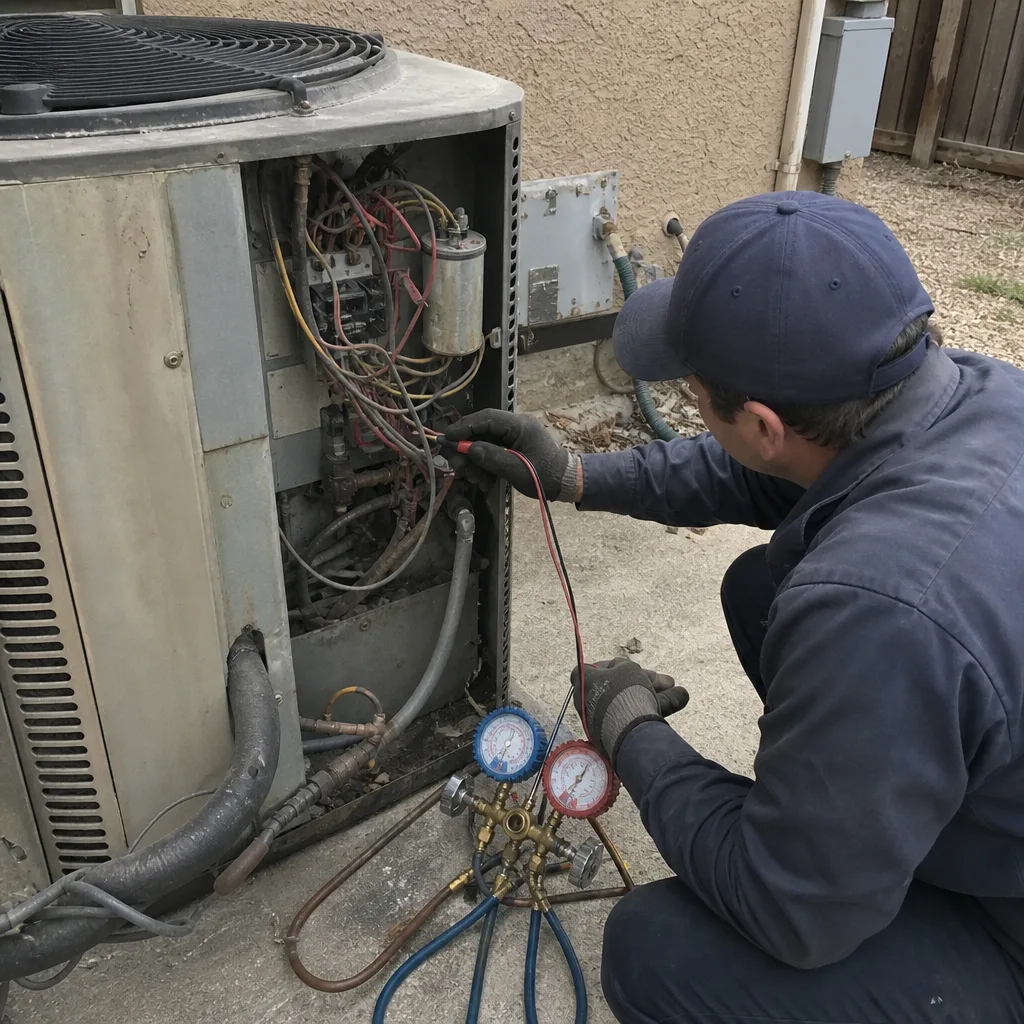
- Inspect the outdoor unit. Coil condition and cleanliness, fan operation, capacitor health, contactor condition, and any obvious signs of heat damage.
- Measure refrigerant pressures against the outdoor temperature and the equipment’s rated design. This is the step where climate matters most. What “normal” means depends on the day and the equipment.
- Evaluate airflow and the indoor side. Filter condition, blower operation, and whether the evaporator coil is freezing or fouled.
- Check the ducts if the symptom points there. In Enterprise, attic duct losses are a real cause of “not cooling enough” complaints that look like equipment faults.
- Summarize findings and recommend, in a category. Repair, repair-and-plan, or replace, with the reasoning, not just the price.
Steps four and five are where the failure modes specific to desert heat show up, and where a generic approach falls short. If a technician skips straight to “you need a new system” without walking through this sequence, ask for the reasoning. Safety matters here too: refrigerant systems, capacitors, and the electrical components above are genuinely dangerous to handle without training and the right tools. We don’t recommend poking around a live outdoor unit yourself. Let a trained professional measure, test, and diagnose; that’s the point of the visit.
How AC Repair Costs Work
Repair pricing depends on the fault, the part, and the equipment. Two homeowners with the same symptom can have wildly different repair bills because the underlying cause differs. What matters is that you get a written estimate before work begins, so the price is set for your job rather than pulled from a generic range.
A few things to understand about how costs break down:
- Diagnosis and repair are separate from replacement. A repair estimate tells you what fixing the current fault costs. A replacement estimate tells you what a new system costs, and the two are worth comparing directly.
- Parts availability matters on older or less common equipment. Some components are readily available; others need to be sourced, which can affect timing.
- The written estimate is the price. We don’t publish a fee schedule because the honest price depends on the actual fault. We set the final price per job in a written estimate before starting, so there’s no surprise when the invoice comes.
- Free estimates. Getting a clear number costs you nothing. That’s the first step for any repair decision.
If you’re weighing repair against replacement, ask for both numbers in writing and pay attention to the two-years-versus-full-life distinction in each. That comparison, not the sticker price alone, is what tells you which choice makes sense for your equipment and your budget.
What Actually Prevents Breakdowns Here
There’s plenty of general maintenance advice, and most of it applies here. But the things that actually cause summer failures in Enterprise are specific enough to name.
- Keep the outdoor coil clean. In a dusty, windy climate, the condenser coil is the most-stressed component you can influence. Washing it off regularly (with the power off, and carefully) prevents a huge share of high-pressure, poor-cooling complaints.
- Change filters on schedule, not by the calendar alone. During dusty months, filters load faster. A clogged filter strains the blower and evaporator, and can cause freezing that looks like a refrigerant fault.
- Check the outdoor unit’s clearances. Make sure nothing is blocking airflow around the condenser. A packed storage area or overgrown shrub near the unit raises pressures and shortens component life.
- Watch for signs of capacitor and contactor stress. Subtle symptoms like delayed starts or intermittent cooling often point to these heat-sensitive parts. Catching them early prevents a full failure mid-summer.
- Address small issues before peak heat. A minor problem in spring can become a no-cool situation on the hottest day, when every system in Enterprise is under maximum load.
Routine checks also give you the chance to hear an honest read on the equipment’s condition before it fails. If a technician tells you a ten-year-old system has a specific weak point, that’s the moment to plan the repair-and-replace path on your own schedule rather than waiting for a breakdown. When you’re ready to move from repair to a new system, we handle the full lifecycle through AC installation, so you’re not chasing a second contractor as equipment ages.
Common Mistakes to Avoid
- Trusting a diagnosis made without checking outdoor temperature. In Enterprise’s heat, a system that reads “normal” by a generic chart may be well outside its actual range for the day. Ask whether the technician measured against the day’s conditions.
- Accepting a “you need a new system” verdict without the two-years-versus-full-life answer. A replacement recommendation should come with reasoning, not just a price. If it doesn’t, the diagnosis may be incomplete.
- Hiring the first technician who arrives, regardless of brand familiarity. A technician who only knows one brand is guessing on yours. Nine brands, one call is worth asking about before the visit.
- Ignoring a small early-season issue until the hottest week. Minor problems become no-cool emergencies when every system in Enterprise is running flat out. Fix small things before peak heat.
- Paying for a stopgap repair on a system past ten years without knowing that’s what you’re buying. It’s not wrong to buy a stopgap, but it’s wrong to think it restored full life. Ask which category your repair falls into.
- Skipping the written estimate before work starts. The price should be set per job in writing, not estimated verbally and expanded later. Get it before anyone starts.
- Assuming national replacement math applies to Enterprise. A decade of 110°F-plus summers ages a system faster than the calendar suggests. The cost-benefit calculation here is different.
See the difference
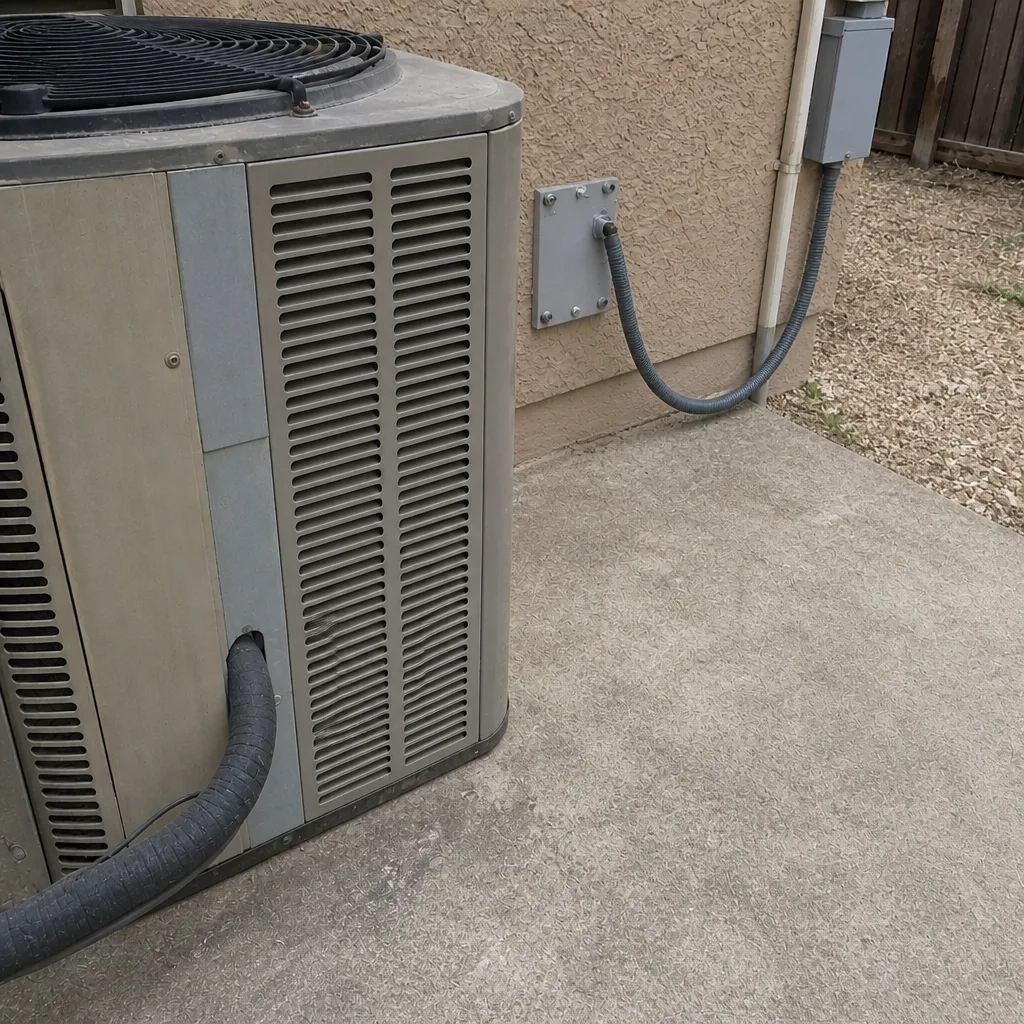
 Before
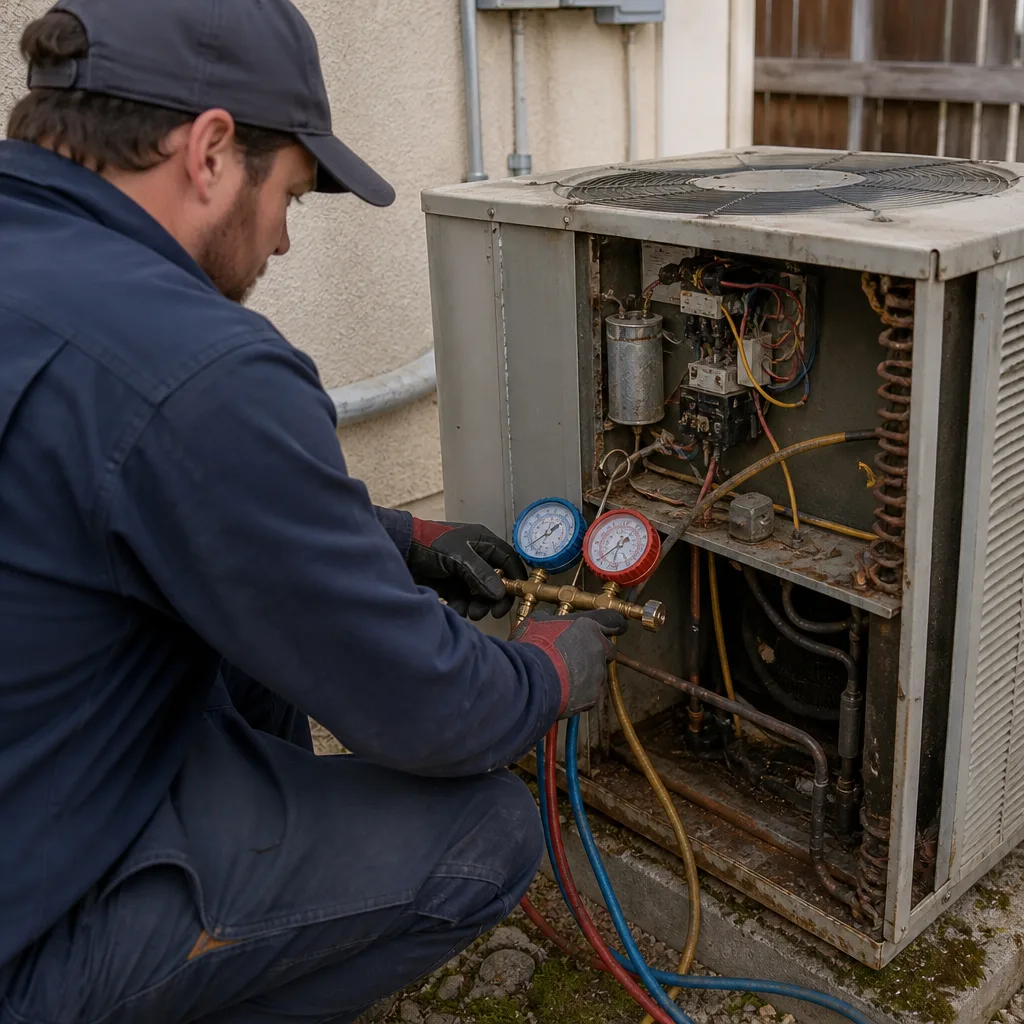
 After
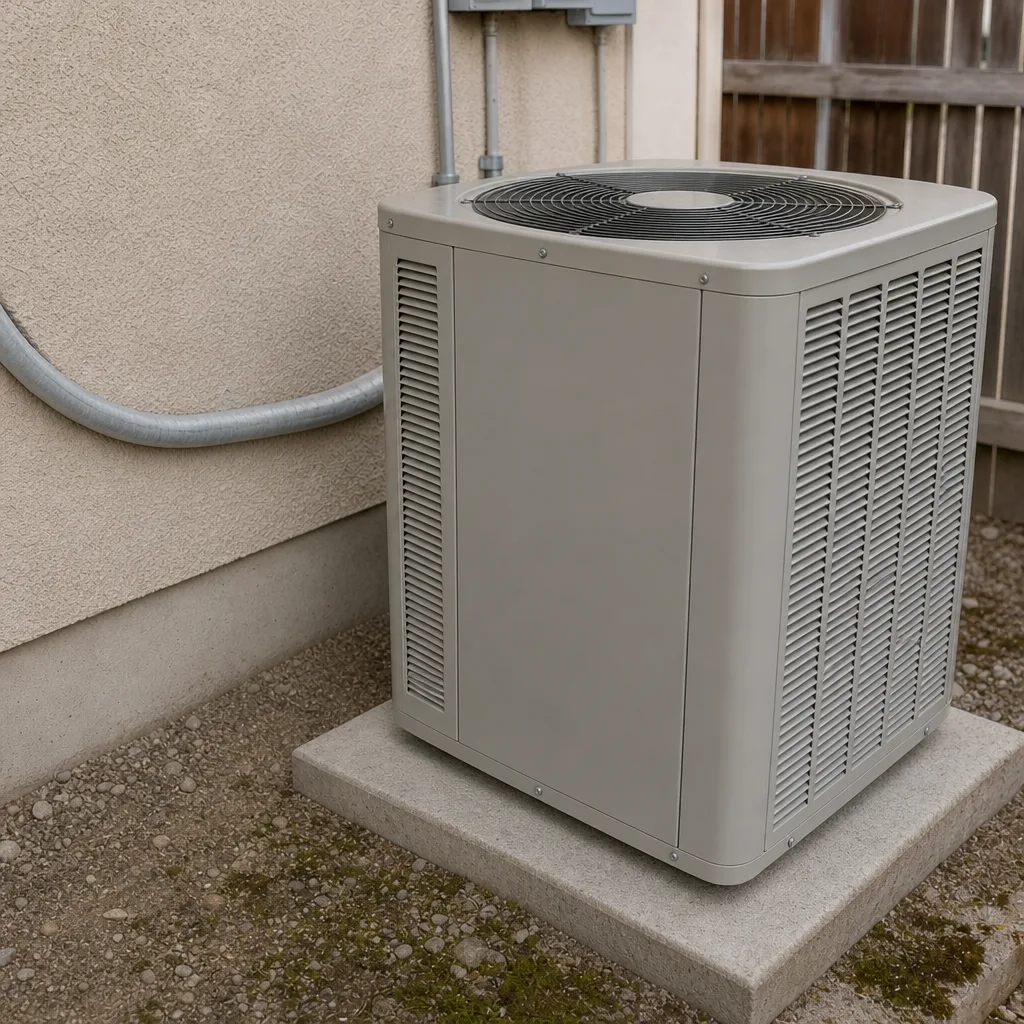
 Before
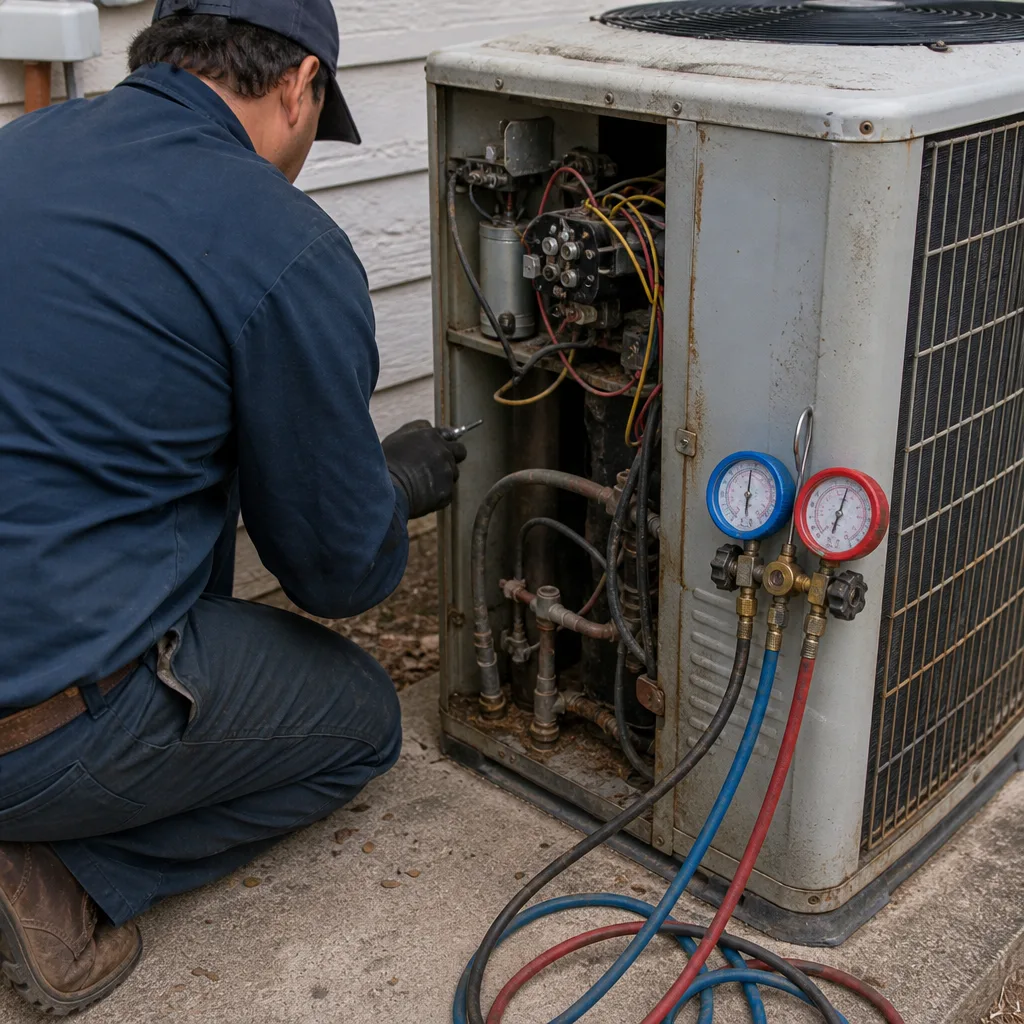
 After
 Before
 After
When to Call a Professional
Some AC problems announce themselves loudly. No cooling at all on a hot afternoon, a system that runs but blows warm air, water pooling around the indoor unit, repeated breaker trips, or a loud rattling or grinding from the outdoor unit. Those are clear calls. Others are quieter: intermittent cooling, a system that struggles on the hottest days, or an electric bill that’s climbed for no apparent reason. Any of these is worth a professional visit, and any electrical or refrigerant work is worth leaving to the trained technician for safety reasons. We’ve seen too many small issues become big ones because they were ignored until the system failed completely. If you’re not sure whether your issue needs a visit, it’s worth asking. AC Repair Enterprise offers free estimates in Enterprise: call (833) 632-6348. We answer 24/7, and fast dispatch from 7am to 7pm runs Sunday through Friday.
Frequently Asked Questions
Extreme desert heat pushes your system past its rated design condition, so it works harder and runs longer than in a milder climate. Outdoor temperatures above 110°F stress the condenser, the compressor, and the heat-sensitive electrical components, and they make every fault more likely to surface. The fix is a technician who diagnoses against those conditions, not a generic chart. Call (833) 632-6348 for a free estimate.
Yes. Carrier, Trane, Lennox, and Goodman each have different control logic, coil designs, and common failure points, so the diagnostic sequence changes even when the symptom is identical. A technician who knows your specific brand is more likely to diagnose correctly the first time rather than guessing. We’re certified to service nine major brands, so the technician recognizes your equipment instead of handing off the job. Call (833) 632-6348 to book a diagnosis.
The honest answer depends on the equipment’s age and condition, not just the symptom. A single component failure on a system within its service life is usually a repair; a major failure on a system past ten years is usually replacement. Ask whether the repair restores full equipment life or just buys a couple of seasons. Our repair-first approach walks you through both numbers before you decide. Call (833) 632-6348 for a free estimate.
Many common failures, like a bad capacitor or contactor, can be diagnosed and repaired quickly once the fault is identified. The timing depends on what’s actually wrong and whether the part is on hand; a major component may take longer. Call (833) 632-6348 to find out what your system needs. We answer 24/7, with fast dispatch from 7am to 7pm, Sunday through Friday.
It can be, if the fault is minor and the rest of the system is sound. It usually isn’t, if the repair is a major component, because a decade of extreme heat here means the equipment is closer to its limit than its age suggests. The key is knowing which kind of repair you’re buying. Call (833) 632-6348 for a straight assessment of whether repair makes sense for your equipment.
Ask whether the repair restores full equipment life or is a stopgap, what condition the rest of the system is in, what’s likely to fail next, and what replacement would cost for comparison. Get the price in a written estimate before work starts. A technician who can answer those four things honestly is the one you want. Call (833) 632-6348 to get started with a free estimate.
The Bottom Line
AC repair in Enterprise isn’t the same as AC repair in a mild climate. Extreme heat pushes systems past their rated limits, distorts pressure readings, and ages equipment faster. The right repair decision starts with an accurate, climate-aware diagnosis on your specific brand, and it hinges on whether the fix restores full equipment life or buys two years. We work on the brand you already have, across nine major lines, and we assess whether repair is viable before steering anyone toward replacement. That covers the full lifecycle of heating and cooling, start to finish, for homeowners and light-commercial spaces around Enterprise. If you’re facing a decision on your system, get a clear answer first. Call (833) 632-6348 for a free estimate. We answer 24/7, with fast dispatch from 7am to 7pm, Sunday through Friday.
Written by the team at AC Repair Enterprise.