
Last updated November 15, 2026
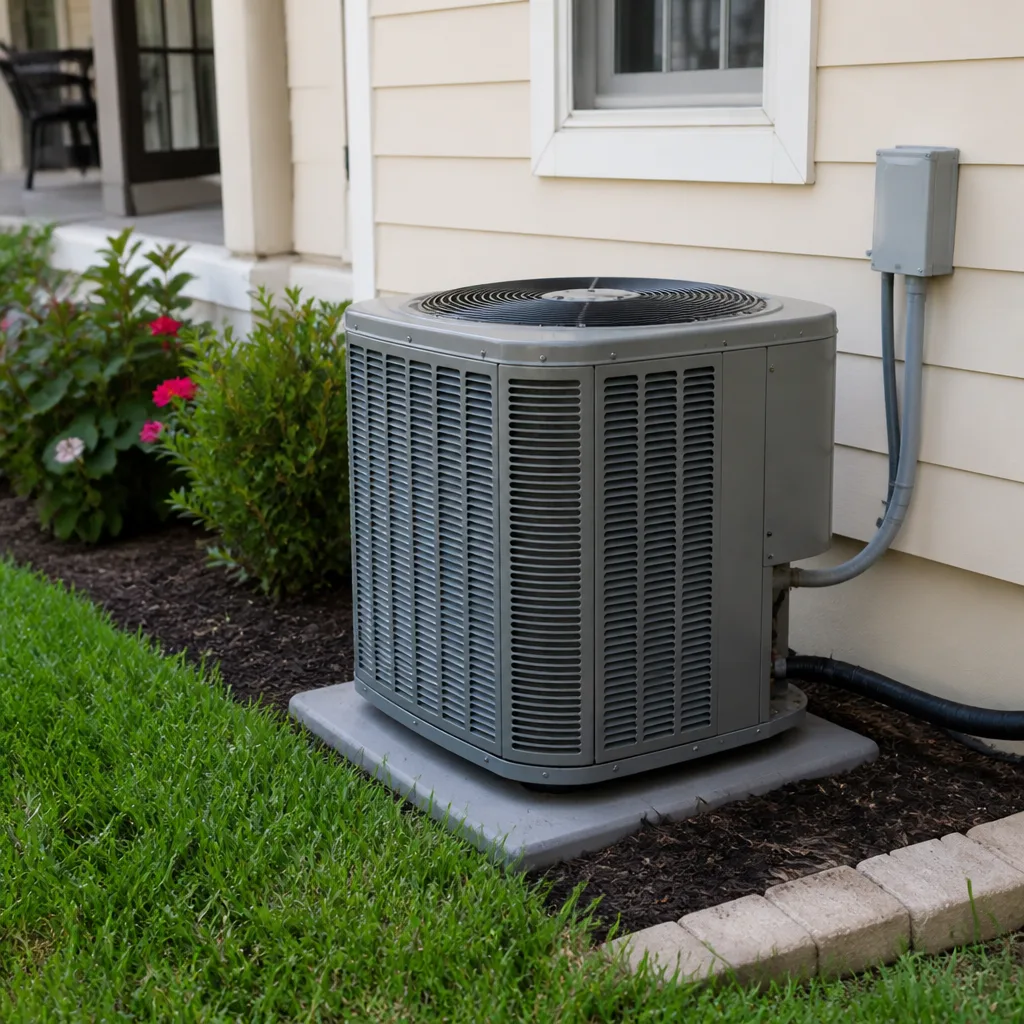 AC repair
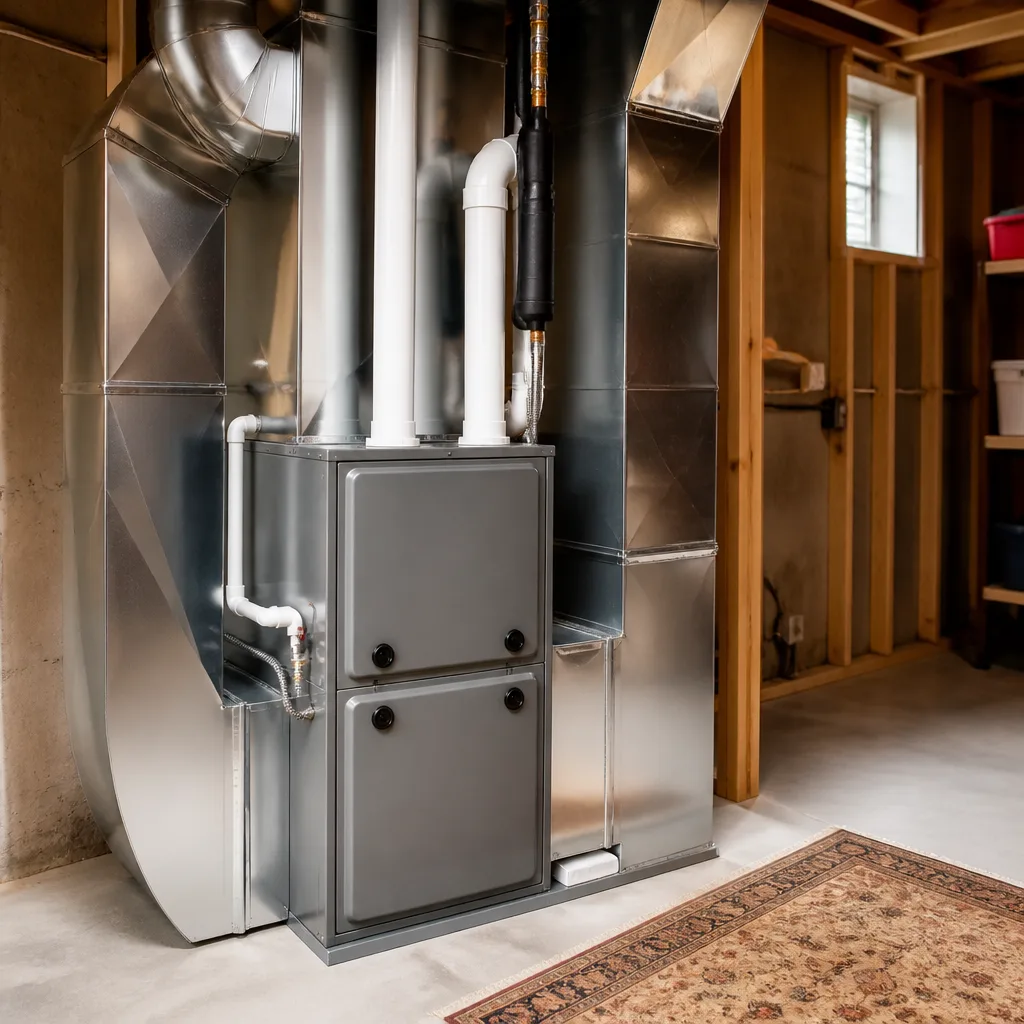 Furnace & heating
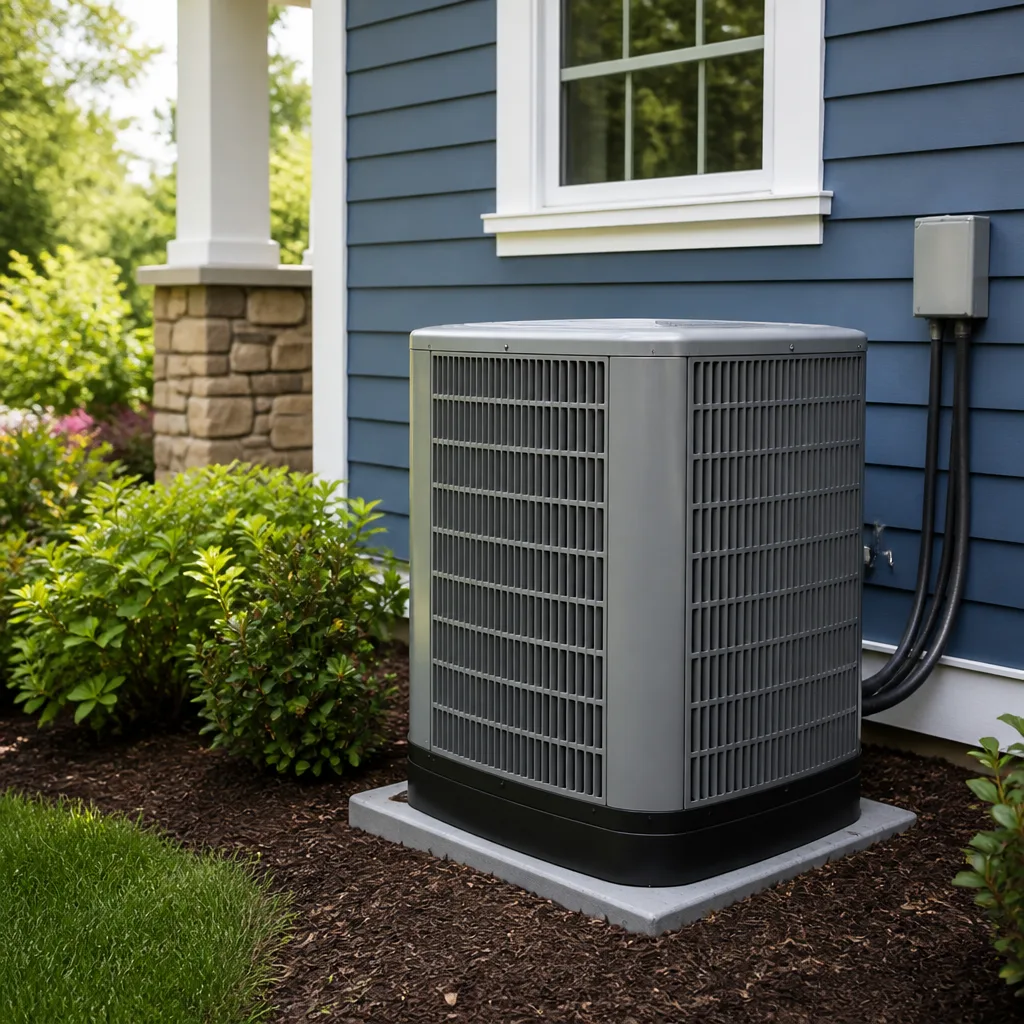 Heat pumps
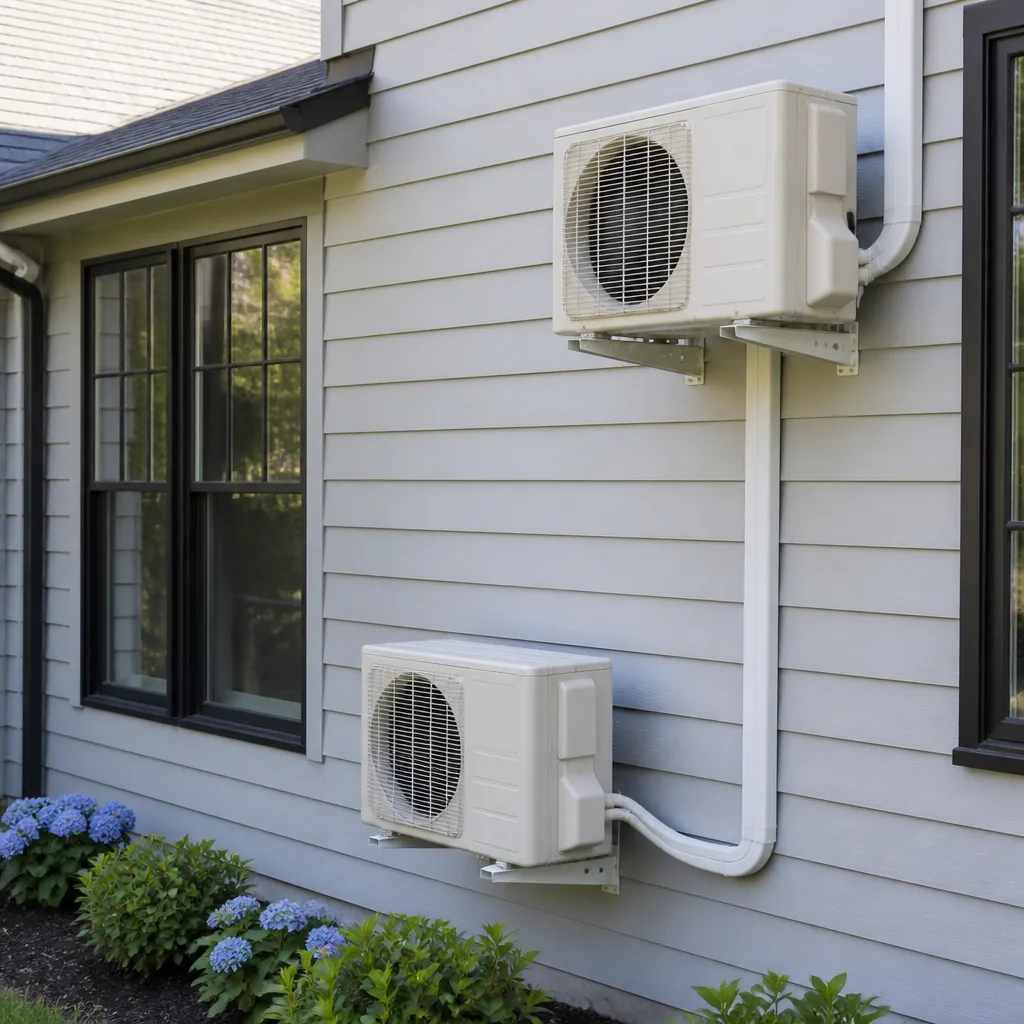 Ductless mini splits
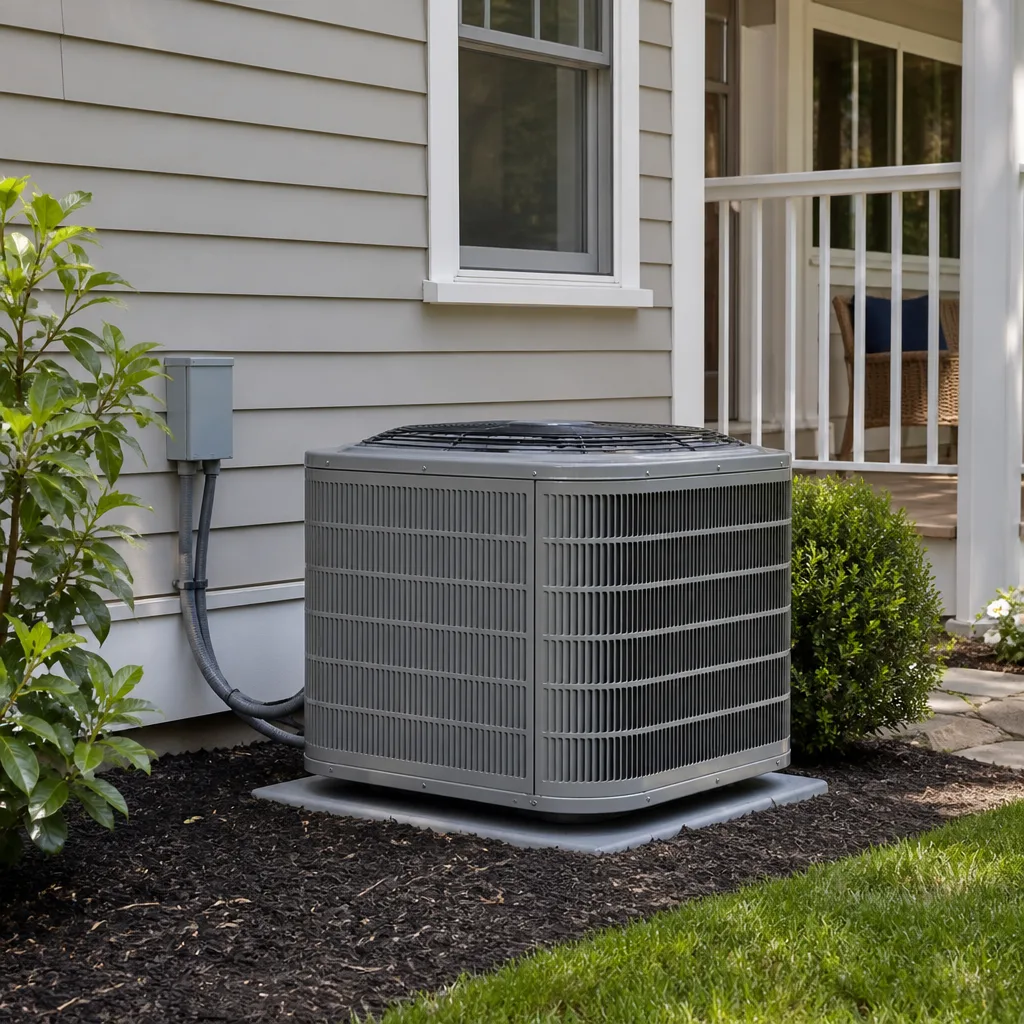 Carrier
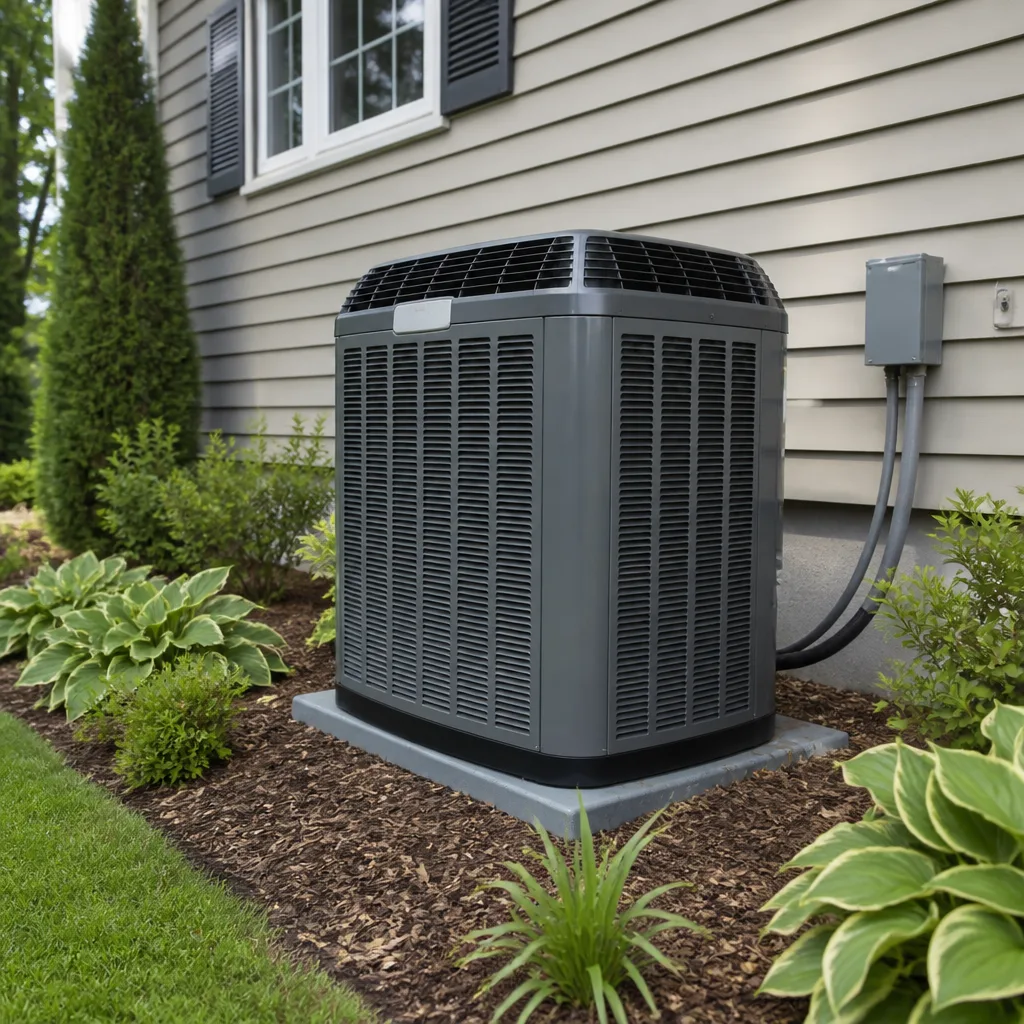 Trane
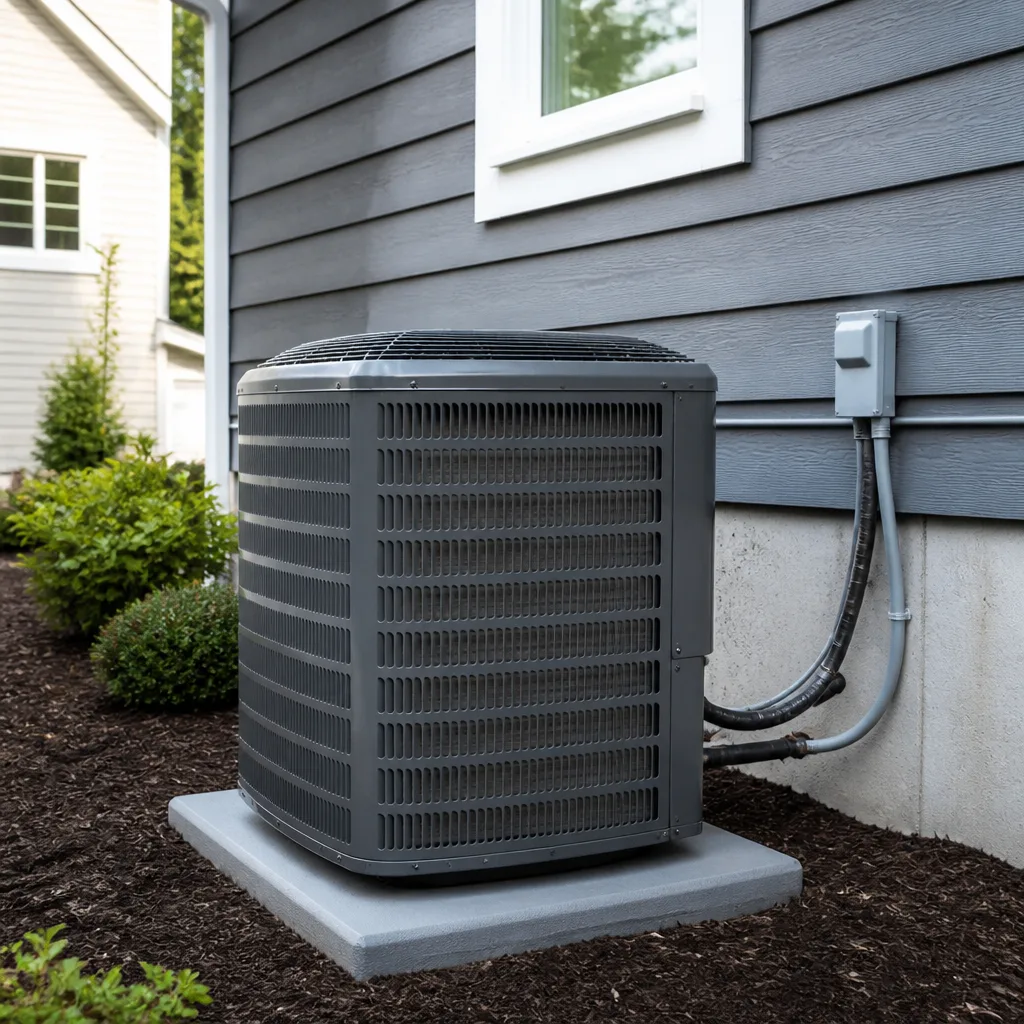 Goodman
Seasonal tune-up and full diagnostic on your Carrier, Trane, or Goodman system - readings shown to you before any repair is proposed
Diagnosis first, numbers second - you approve the repair price before a single part goes in.
Get your free estimateChoosing the Right HVAC Brand: A Buyer’s Guide for Enterprise
Most brand advice you’ll read is written for a national audience, and it shows. It ranks equipment by reputation, market share, and how the units test in a lab. None of that tells you what happens when a compressor fails in Enterprise in July, when the outdoor temperature sits above 110°F for days and the closest factory-authorized technician for your specific brand matters more than its Consumer Reports score. The brand that wins on a ratings site is not always the brand that gets you cool air back fastest.
This guide covers what the rankings skip: technician coverage near Enterprise, rated ambient operating temperature, parts distribution in Clark County, and what the warranty paperwork actually promises. By the end you’ll know how to evaluate any brand against your own situation, not against a national average.
Quick Answer
The right HVAC brand for an Enterprise home is the one with authorized service technicians nearby, distributor parts stock in Clark County, and an ambient rating that handles sustained heat above 110°F. Brand reputation matters less than those three factors in this climate. A mid-tier unit with strong local support usually serves an Enterprise homeowner better than a premium brand whose nearest authorized technician is an hour away.
Styles & brands we work with
- AC repair
- Furnace & heating
- Heat pumps
- Ductless mini splits
- Carrier
- Trane
- Goodman
Table of Contents
- How to Check Authorized Technician Density for Any Brand
- Rated Ambient Temperature: The Spec That Decides Summer Performance
- Parts Availability in Clark County: Stock Versus Ship
- What Brand Warranties Actually Cover for Enterprise Homeowners
- Premium Versus Mid-Tier: When the Extra Spend Pays Back
- Why We Train on Nine Brands Instead of One
- A Five-Step Evaluation Process for Enterprise Buyers
How to Check Authorized Technician Density for Any Brand
Before you compare efficiency ratings or price, find out who can service the brand under warranty where you live. Factory-authorized technicians are the ones manufacturers recognize for warranty repairs, and their density varies widely brand to brand across the Las Vegas metro. A brand with a strong national footprint can still have thin authorized coverage in Enterprise. That gap shows up the day your system quits and the soonest authorized appointment is far enough out that you’re already uncomfortable.
The check takes about ten minutes:
- Go to the manufacturer’s website and find the “Find a Dealer” or “Locate a Contractor” tool. Every major brand has one.
- Enter your Enterprise address, not just “Las Vegas.” Coverage can change block to block around the valley.
- Filter for authorized service, not just authorized sales. Some dealers sell a brand but aren’t certified for warranty repairs.
- Count how many results fall within roughly 15 miles. One or two is thin. Five or more is solid.
- Call one of them and ask the average wait for a warranty service appointment during peak summer. That answer tells you more than anything on the website.
Run this for two or three brands before you commit. In our experience, homeowners who skip this step are the ones most frustrated when a repair drags on, because the bottleneck isn’t the part or the technician’s skill. It’s the authorization chain. When you call AC Repair Enterprise, the same logic applies to us: ask which brands we’re certified on before you book, and we’ll tell you straight.
Rated Ambient Temperature: The Spec That Decides Summer Performance
Every air conditioner carries a rated ambient operating temperature, and it matters more in Enterprise than in almost any market in the country. That rating is the outdoor temperature at which the unit is designed to run at full capacity. Most residential equipment is rated to operate at up to 115°F. Above that, performance degrades: the compressor works harder, capacity drops, and the system runs longer to reach the thermostat setting. In a stretch of 110°F-plus days, a unit at the edge of its rating spends hours every afternoon operating outside its sweet spot.
What that means for you:
- Check the spec before you buy. Ask for the rated ambient temperature in writing. If a salesperson can’t produce it, that’s information too.
- Oversizing is not the fix. A unit that’s too large cools too fast, cycles too often, and doesn’t dehumidify properly. Load calculation comes first; ambient rating is a selection criterion, not a substitute for sizing.
- Design matters for sustained heat. Two units with the same tonnage can handle a 115°F afternoon very differently. Coil design, compressor protection, and fan configuration all affect how gracefully a system runs at the top of its range.
- Look at the whole package. In Enterprise, the condenser coil and the refrigerant charge are doing more work than the SEER2 number on the box implies. A high-efficiency unit that never operates at its rated conditions is not saving you what the label promises.
None of this means every brand rated to 115°F performs identically above it. It means the rating is the floor of what to ask about, and the brands engineered for sustained high-heat operation are the ones to weigh seriously in this market. When we size and quote a system, the ambient spec is part of the conversation. That’s part of what AC installation should include, and we don’t skip it.
Parts Availability in Clark County: Stock Versus Ship
A repair is only as fast as its slowest part. That’s the reality homeowners in Enterprise feel during a July breakdown, and it’s driven almost entirely by whether your brand’s distributor keeps the part on a shelf in Clark County or ships it in from a regional warehouse. Common components like capacitors, contactors, and fan motors are usually stocked locally for brands with a strong distributor presence. Less common parts like compressor boards, specific control modules, and certain coils may not be.
Here’s roughly how parts fall out in this market:
- Locally stocked: Brands with dedicated Clark County distributor relationships keep high-turnover parts on the shelf. Repair turnaround is measured in hours to a day or two for common failures.
- Regional warehouse: Parts ship in from a warehouse elsewhere in the region. Add a few days to the repair timeline, sometimes more. This is the middle case and more common than homeowners expect.
- Factory order: Rare or proprietary parts that come direct from the manufacturer. The repair could take a week or more, and the homeowner is on the hook for the wait regardless of how good the technician is.
The brand you’re considering likely sits in one of these three buckets, and it matters most during cooling season. A brand with a good local parts pipeline turns a stressful repair into a one-visit job. A brand with none turns the same failure into a waiting game. When you get the written estimate for an AC repair, ask where the part is coming from. It’s a fair question and a useful one.
One more thing: parts stocking is not the same as technician familiarity. A local tech can install a part they’ve shipped in; the question is how quickly it arrives. Both matter. When the time comes to book AC repair, ask where the part will come from and how long it takes to arrive.
What Brand Warranties Actually Cover for Enterprise Homeowners
Warranty literature reads generously and covers narrowly, and the differences between manufacturers show up in three places: registration requirements, labor coverage, and the refrigerant clause. Reading the fine print before you buy is worth the effort, because the gap between what a homeowner expects and what the warranty pays out is the single most common source of frustration we hear about.
Registration. Most manufacturers will void a large portion of the warranty coverage if the equipment isn’t registered within a set period after installation, and the requirement varies by brand. Registering is the buyer’s responsibility, but a careful installer will either handle it or remind you clearly. Ask which. A missing registration can convert a parts warranty into a significant cost.
Labor coverage. This is where the biggest gap lives. Many brand warranties cover parts but not the labor to install them, and the labor can rival the part cost on a compressor or control board job. Some manufacturers offer extended labor coverage as a separate product. Ask specifically: “Does this warranty cover labor, and for how long?” Get the answer in writing.
Refrigerant clauses. Refrigerant is regulated under the phase-down of high-GWP refrigerants, and some manufacturer warranties handle refrigerant cost and reclaimed refrigerant differently than others. The clause language is dense. Ask your installer to point out exactly what your warranty says about refrigerant, and don’t accept “it’s covered” as an answer.
None of this is meant to talk you out of a brand. It’s meant to get you to read the pages most homeowners flip past. A good warranty is a useful backstop; a misunderstood one is an unpleasant surprise.
Premium Versus Mid-Tier: When the Extra Spend Pays Back
In an Enterprise summer, the case for premium equipment is stronger than it is in a mild climate, but not automatically. The premium-versus-mid-tier decision comes down to whether the specific advantages you’re paying for actually do work in this heat. A $1,500 price gap between a premium brand and a solid mid-tier unit is a real question, and it deserves a real answer rather than a default recommendation.
Where premium pays back in Enterprise conditions:
- Better high-heat performance. Premium lines often have stronger ambient ratings and more robust compressor protection, which matters when the system lives above 110°F for weeks.
- Longer expected service life. Better components in a demanding climate tend to last longer. Whether that offsets the upfront cost depends on how long you plan to stay in the home.
- Quieter, more consistent operation. This is a real quality-of-life difference in a house where the unit runs hard from June through September.
- Repairability and parts pipeline. Some premium brands maintain stronger distributor relationships in hot-climate markets, which translates to faster repairs.
Where premium doesn’t pay back:
- When local service support is thin. Premium equipment with weak Enterprise-area technician coverage is a bad trade.
- When the home’s envelope needs work first. Paying for a high-efficiency system in a house with poor insulation and leaky ducts is money spent in the wrong place.
- When you’re planning to move. A short ownership horizon means the premium seldom recovers the upfront cost.
- When the ambient spec is the same. If a mid-tier unit and a premium unit carry the same rated ambient temperature and similar component quality, part of the premium is branding. Ask what you’re actually getting.
The honest answer in Enterprise is often “a well-chosen mid-tier unit with good local support” rather than “the most expensive unit on the list.” That’s not a cost-cutting bias; it’s a climate-and-support calculation.
Why We Train on Nine Brands Instead of One
Most HVAC contractors are certified on two or three brands, sometimes just one, because their business model is tied to selling a particular product lineup. That’s fine for the contractor; less so for the homeowner who inherits equipment they didn’t choose or wants an honest comparison across brands. This is the reason we’re certified to service nine major HVAC brands: Carrier, Trane, Lennox, Goodman, Rheem, York, Daikin, Bryant, and American Standard. When we walk into an Enterprise home, we’re diagnosing the actual equipment on the property, not substituting a generic guess because the brand is unfamiliar.
What that means in practice:
- Repair-first on service calls. We assess whether the system can be repaired before we discuss replacement. That’s the standard, on AC and furnace calls alike.
- Brand-agnostic recommendations. When it does make sense to replace, the recommendation follows the existing equipment, the home, and your budget. It doesn’t follow which line we’d rather sell.
- Heating and cooling only. We’re an HVAC company. Every technician on every job is a heating and cooling specialist, not a plumber or electrician moonlighting in HVAC. That matters because diagnostics on modern systems take full-time specialization.
- One relationship across the lifecycle. Emergency repairs, new installations, and furnace work all come through the same company, so you’re not rebuilding trust with a new contractor every time the system ages.
If you’re evaluating brands, the contractor you hire should be able to talk about several of them honestly. If your contractor steers every conversation toward one brand, ask why. That’s a fair question, and the answer tells you whether the recommendation is about you or about them.
A Five-Step Evaluation Process for Enterprise Buyers
A disciplined brand decision follows a sequence. Skip a step and you’re guessing. The steps below apply whether you’re replacing an old unit or choosing a brand for a new home.
- Get a load calculation and a duct assessment. Before any brand matters, the correct system size and duct condition do. A brand matched to the wrong capacity underperforms no matter how good it is.
- Run the technician density check. Use the manufacturer’s locator, filter for authorized service, count technicians within roughly 15 miles, and call one to learn the peak-season wait.
- Compare rated ambient temperatures. Ask for the rated operating temperature in writing. In Enterprise, this is a selection criterion, not a footnote.
- Check parts availability. Confirm with a local distributor or your installer which parts for that brand are stocked in Clark County versus shipped in. Ask about lead times on the parts most likely to fail.
- Read the warranty line by line. Confirm registration requirements, labor coverage, and refrigerant clauses. Ask the installer to point out the exact text.
Note what’s missing from that sequence: efficiency ratings, brand reputation, and price. Those factors matter, but they come after the local support and climate questions are answered. In our experience, most homeowners do the steps in reverse. That’s understandable and it’s a common mistake, and it’s why we walk new buyers through this sequence before quoting anything.
Common Mistakes to Avoid
- Buying by national ranking alone. Rankings are computed from a national data set and don’t reflect local technician density or parts pipelines. They’re a starting point at best.
- Skipping the technician density check. Homeowners research SEER2 ratings exhaustively and never check who can service the brand in Enterprise. Do both, and do the local one first.
- Assuming oversized is safer in the heat. A system larger than the home needs will cool fast, cycle short, and struggle with humidity. Size it correctly and pick a brand that handles the ambient temperature.
- Treating the warranty as a formality. Registration deadlines, labor exclusions, and refrigerant clauses are where the cost surprises live. Read them before signing.
- Letting the contractor pick the brand in the estimate. If the estimate lists one brand with no discussion of alternatives, ask why that brand. The answer tells you whether it’s a customer reasoning or a business one.
- Choosing premium without checking local support. The most expensive unit in the showroom isn’t a good value if the authorized technician for that brand is hours away.
- Replacing before diagnosing. A surprising share of AC failures are repair jobs, not replacements. Demand an honest repair-versus-replace assessment before you sign a replacement contract.
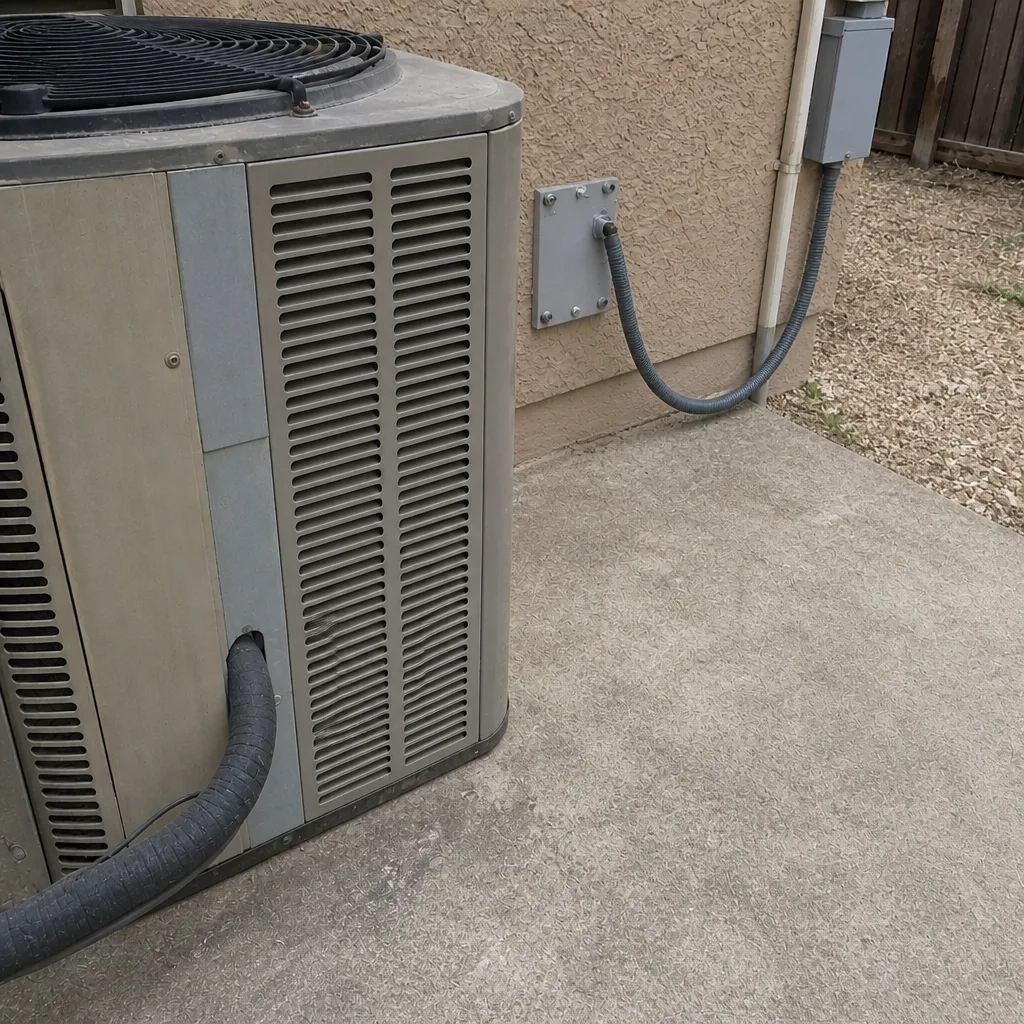
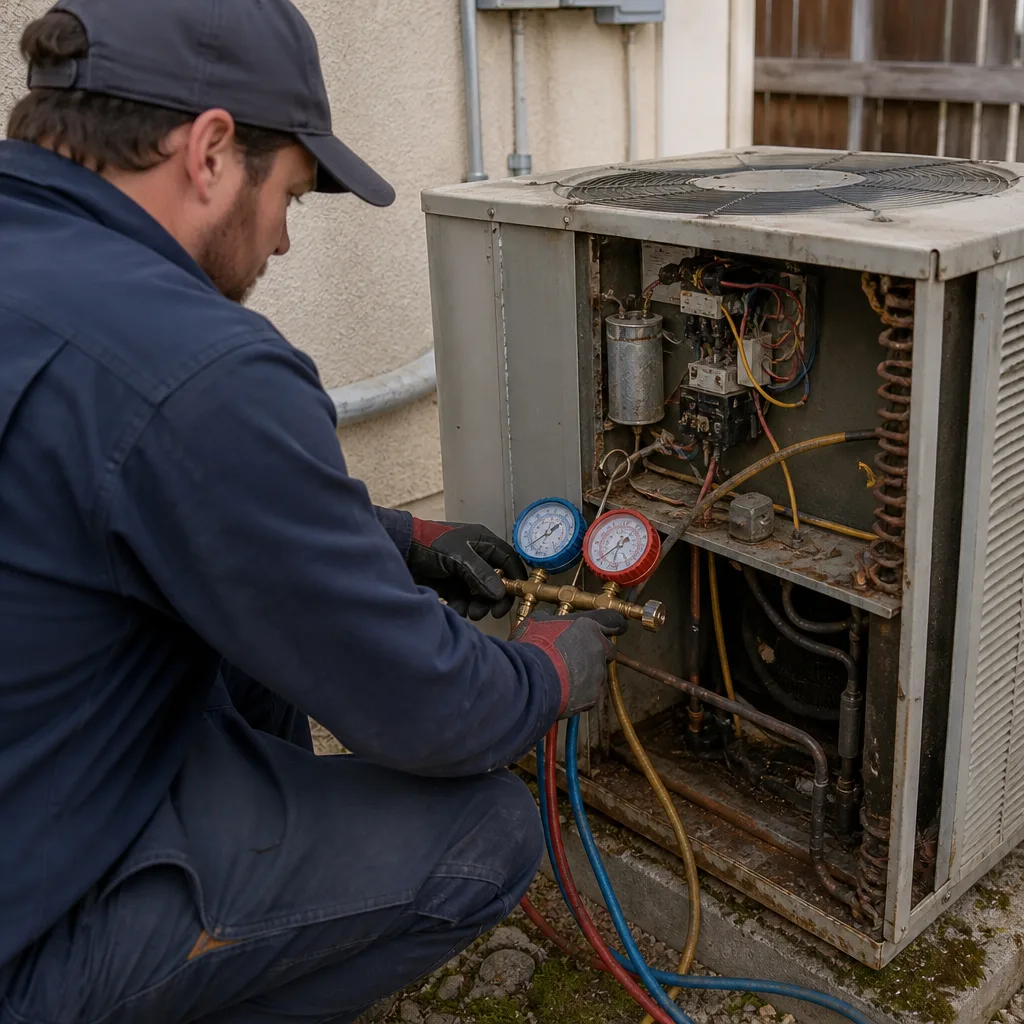
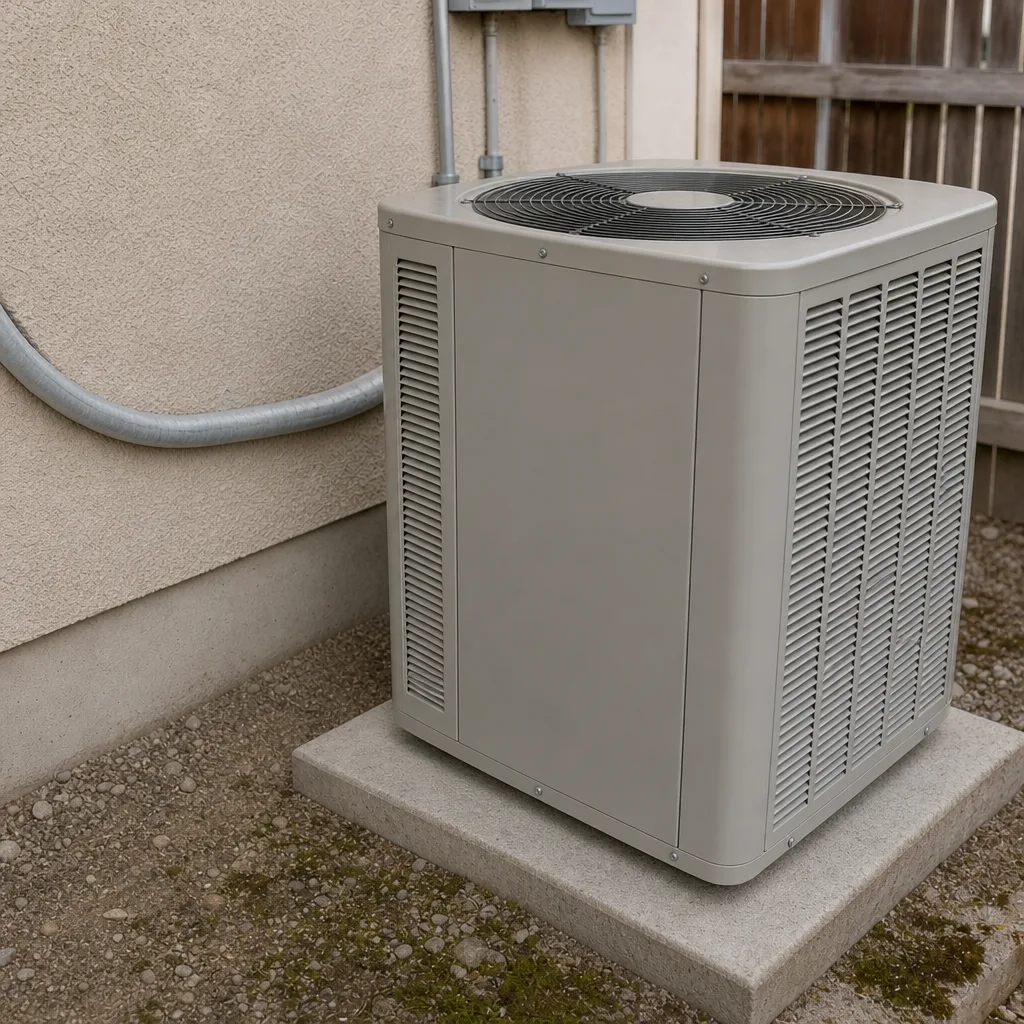
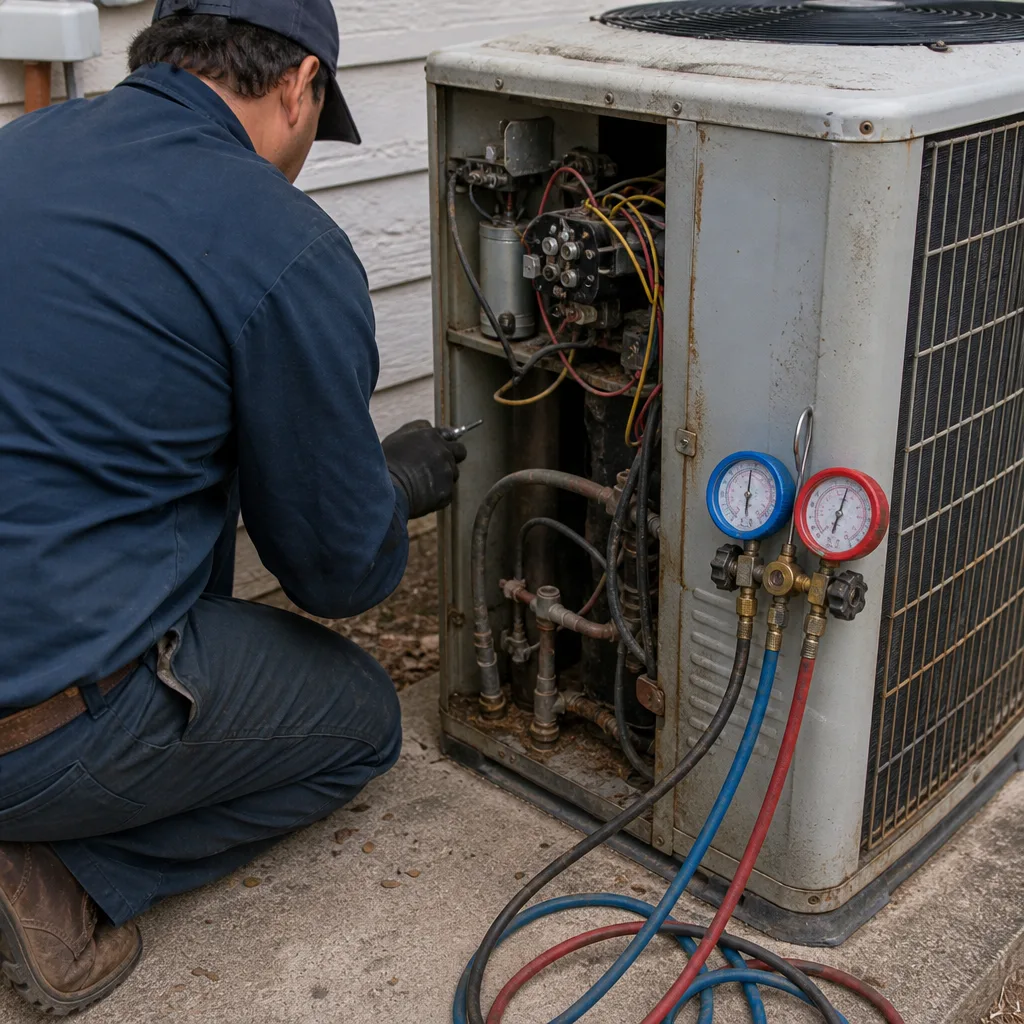
See the difference
 Before
 After
 Before
 After
 Before
 After
When to Call a Professional
Some brand research you can do yourself with a laptop and the manufacturer’s website. The rest needs a technician on-site. Call a professional if the system is short-cycling, if the compressor won’t start after a power interruption, if the indoor unit ices up, if the thermostat setting won’t reach the target on a hot afternoon, or if the equipment is past its expected service life and you’re weighing repair versus replacement. These are all scenarios where the diagnosis depends on reading refrigerant pressures, checking electrical loads, and seeing the actual condition of the equipment. That’s not a job for a YouTube tutorial, especially with refrigerant and line-voltage circuits in play.
AC Repair Enterprise offers free estimates in Enterprise. Call (833) 632-6348. We answer 24/7. Fast dispatch from 7am to 7pm, Sunday through Friday. Our technicians have up to 12 years of experience and are certified on Carrier, Trane, Lennox, Goodman, Rheem, York, Daikin, Bryant, and American Standard, so we can assess the equipment you actually have.
Frequently Asked Questions
There’s no single best brand for every Enterprise home. The best choice is the one with authorized technicians nearby, distributor parts stock in Clark County, and an ambient temperature rating that handles sustained summer heat. Run the local support check for two or three candidate brands before deciding; that’s more predictive than any national ranking. Call (833) 632-6348 for a free estimate, and we’ll walk you through the options against your actual equipment.
Use the manufacturer’s “Find a Dealer” tool, enter your Enterprise address, filter for authorized service, and count how many results fall within about 15 miles. Then call one and ask about the peak-summer wait for a warranty appointment. That last call is the one most buyers skip, and it’s the one that tells you the most.
Yes, in almost every case, and the registration period varies by brand. Missing it can significantly reduce the coverage the manufacturer honors. Ask your installer whether they register the equipment on your behalf, and get it in writing. Store the registration confirmation with your purchase paperwork.
It depends on three things: whether the specific premium line carries a higher ambient rating, whether local authorized coverage is strong for that brand, and how long you plan to stay in the home. Premium equipment earns its price in sustained 110°F-plus conditions when the local support is there and the ownership horizon is long. When those conditions aren’t met, a well-chosen mid-tier unit with good local support is often the better decision. Call (833) 632-6348 for an honest comparison.
We’re trained on nine major HVAC brands: Carrier, Trane, Lennox, Goodman, Rheem, York, Daikin, Bryant, and American Standard. Our recommendations follow the equipment in the home and your budget, not a preferred product line. We’re a dedicated HVAC company, and every technician on every job is a heating and cooling specialist.
Repair is usually the answer when the failure is a single component, when the equipment is within its expected service life, and when the repair cost is proportionate to the age and condition of the system. Replacement makes more sense when the compressor has failed on an aging unit, when the system has needed multiple repairs in a short period, or when a higher-ambient-rated unit would perform meaningfully better in Enterprise’s summer. Get a diagnosis first, then decide. Call (833) 632-6348 for a free estimate.
The Bottom Line
Brand selection in Enterprise is a local-support problem dressed up as a ratings problem. The right HVAC brand is the one whose authorized technicians are nearby, whose parts are stocked in Clark County, and whose equipment is engineered for sustained heat above 110°F. National rankings can help you build a shortlist, but they shouldn’t decide the purchase. Run the locator check for any brand you’re considering, ask for the rated ambient spec in writing, read the warranty clauses line by line, and get an honest repair-versus-replace assessment before you spend on new equipment. The brand you already have might have more service life in it than you think. When you’re ready to have it looked at, call Enterprise‘s multi-brand HVAC specialists at (833) 632-6348. We answer 24/7. Fast dispatch from 7am to 7pm, Sunday through Friday. Estimates are free, and the written estimate sets the final price.
Written by the team at AC Repair Enterprise.