
Last updated November 15, 2026
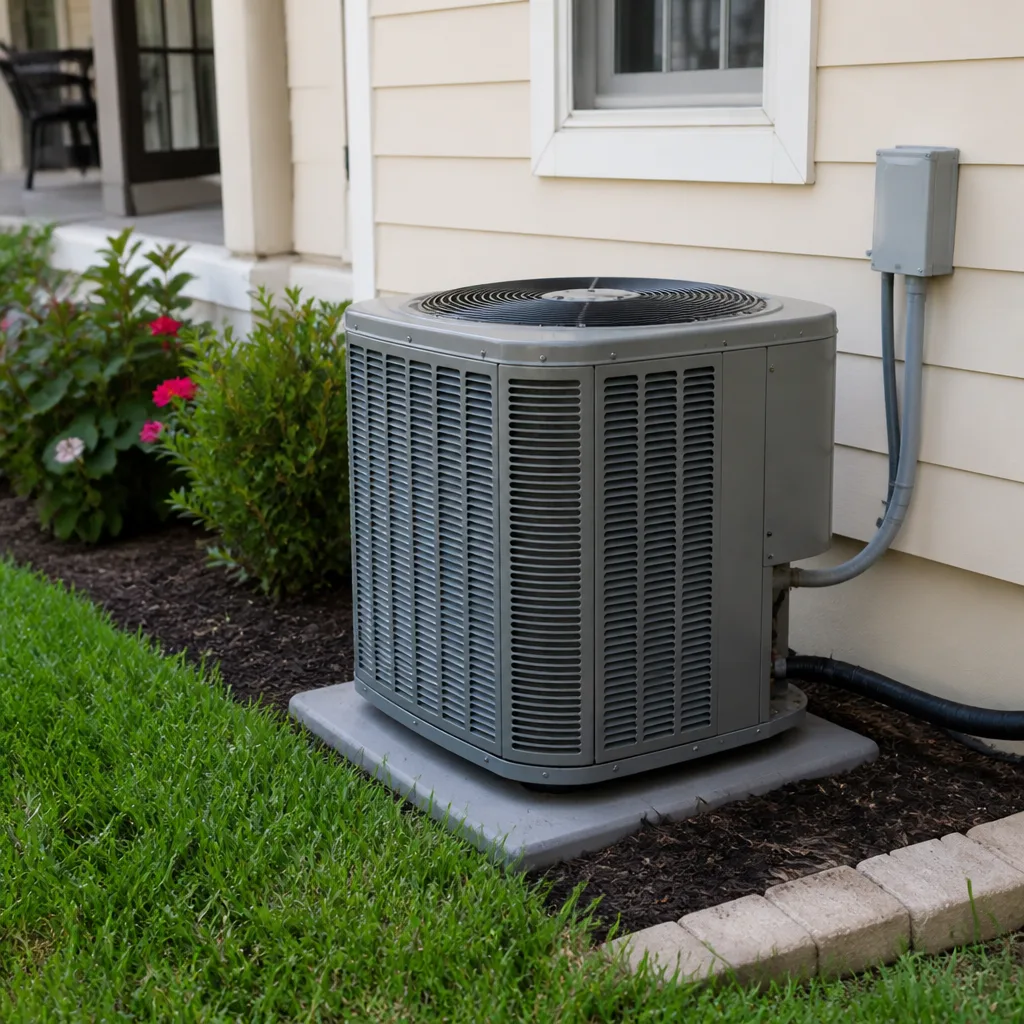 AC repair
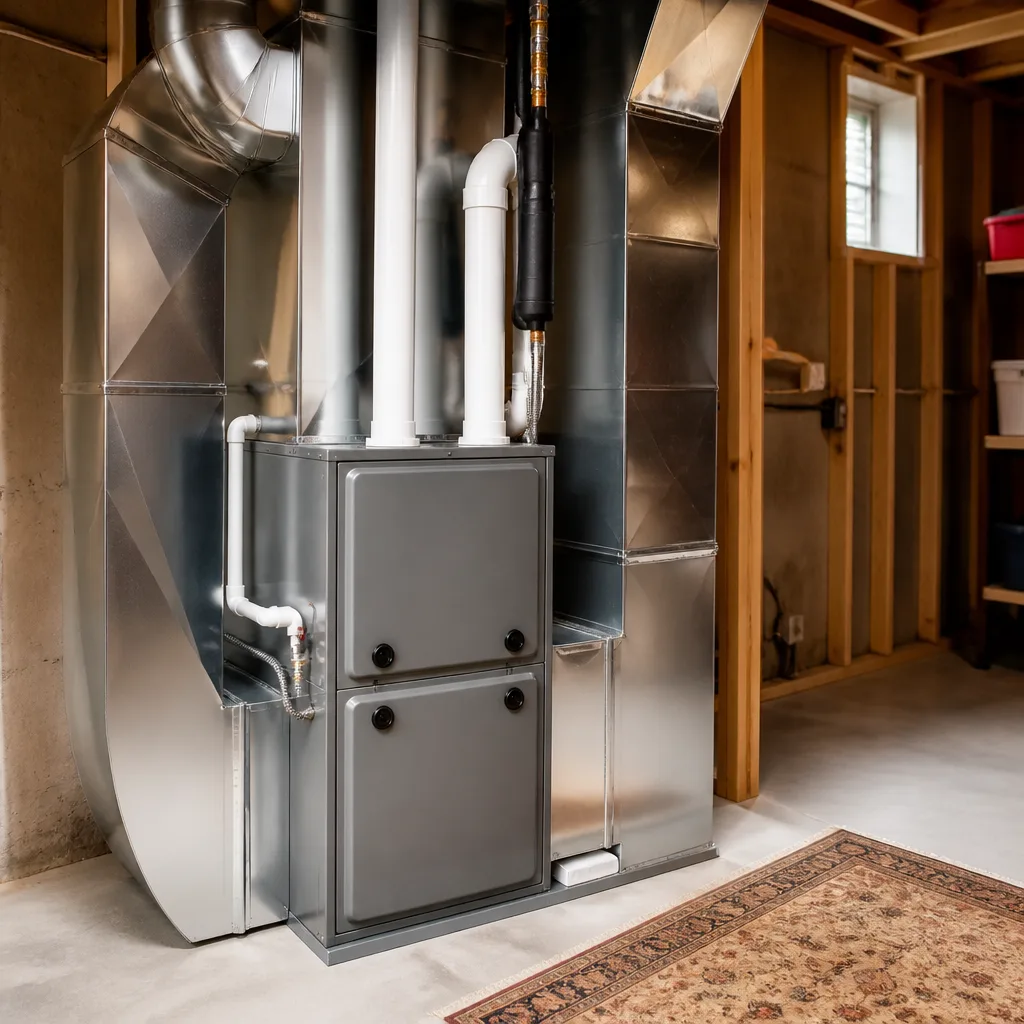 Furnace & heating
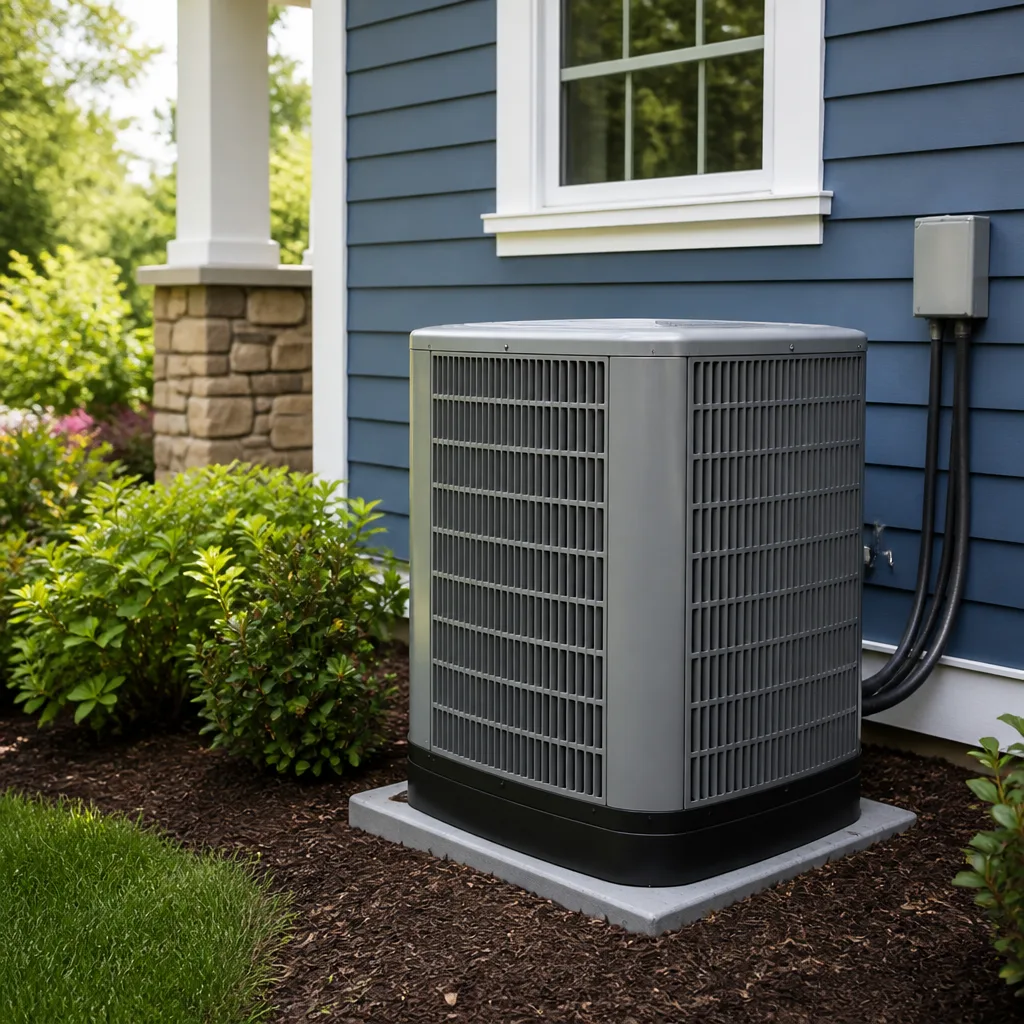 Heat pumps
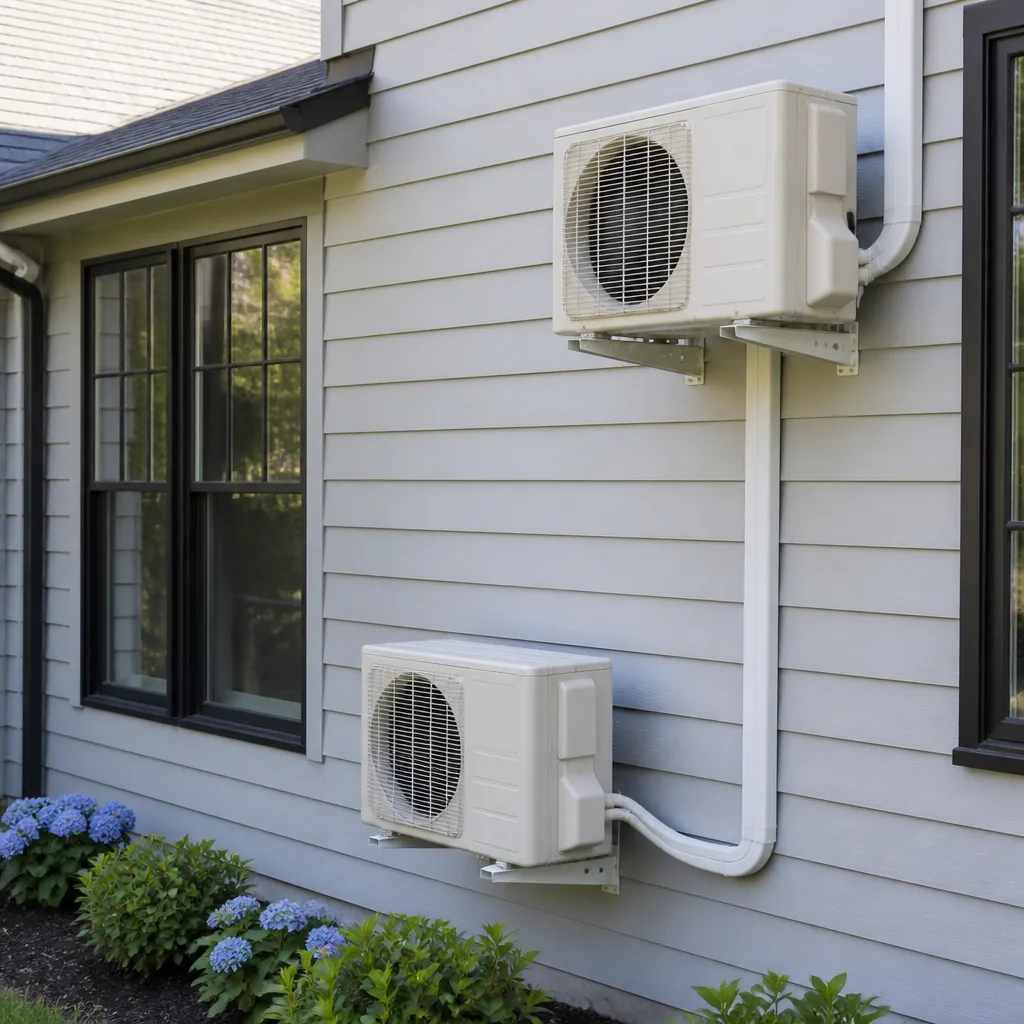 Ductless mini splits
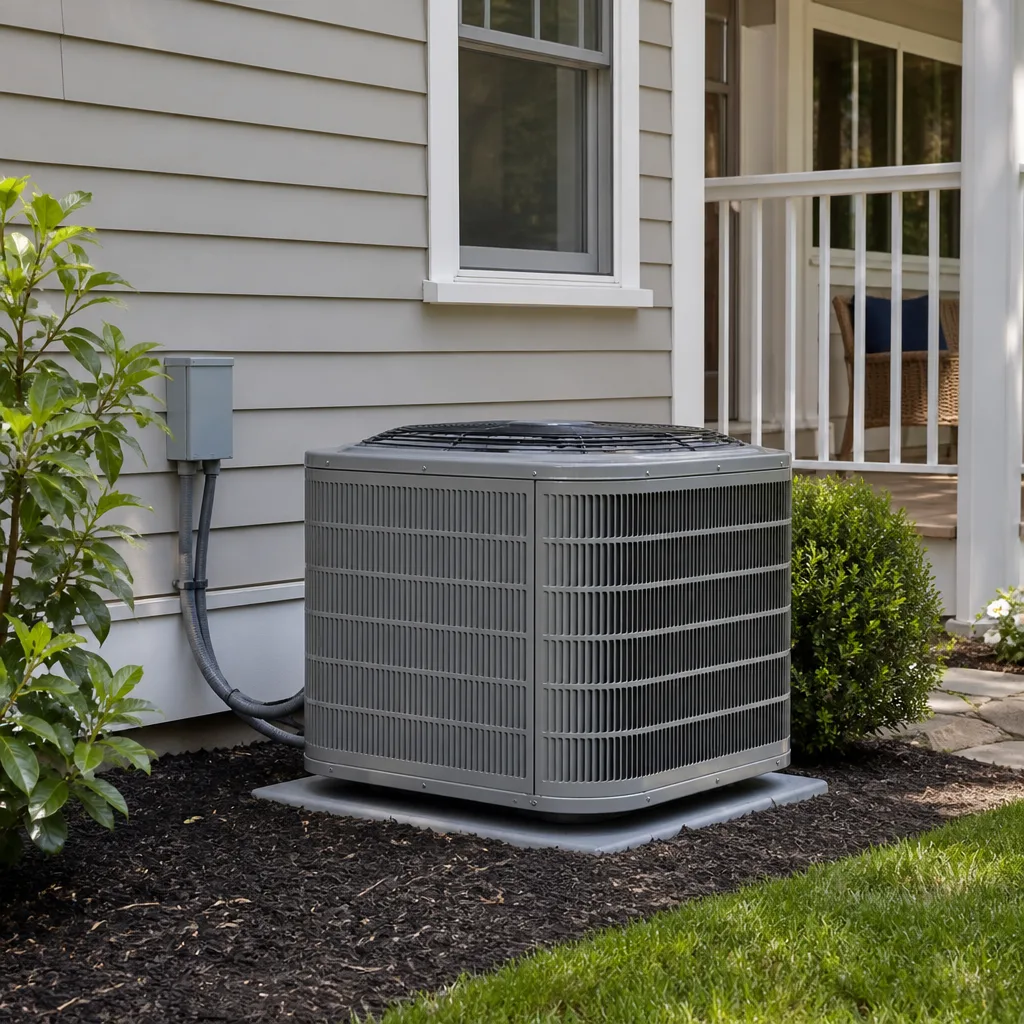 Carrier
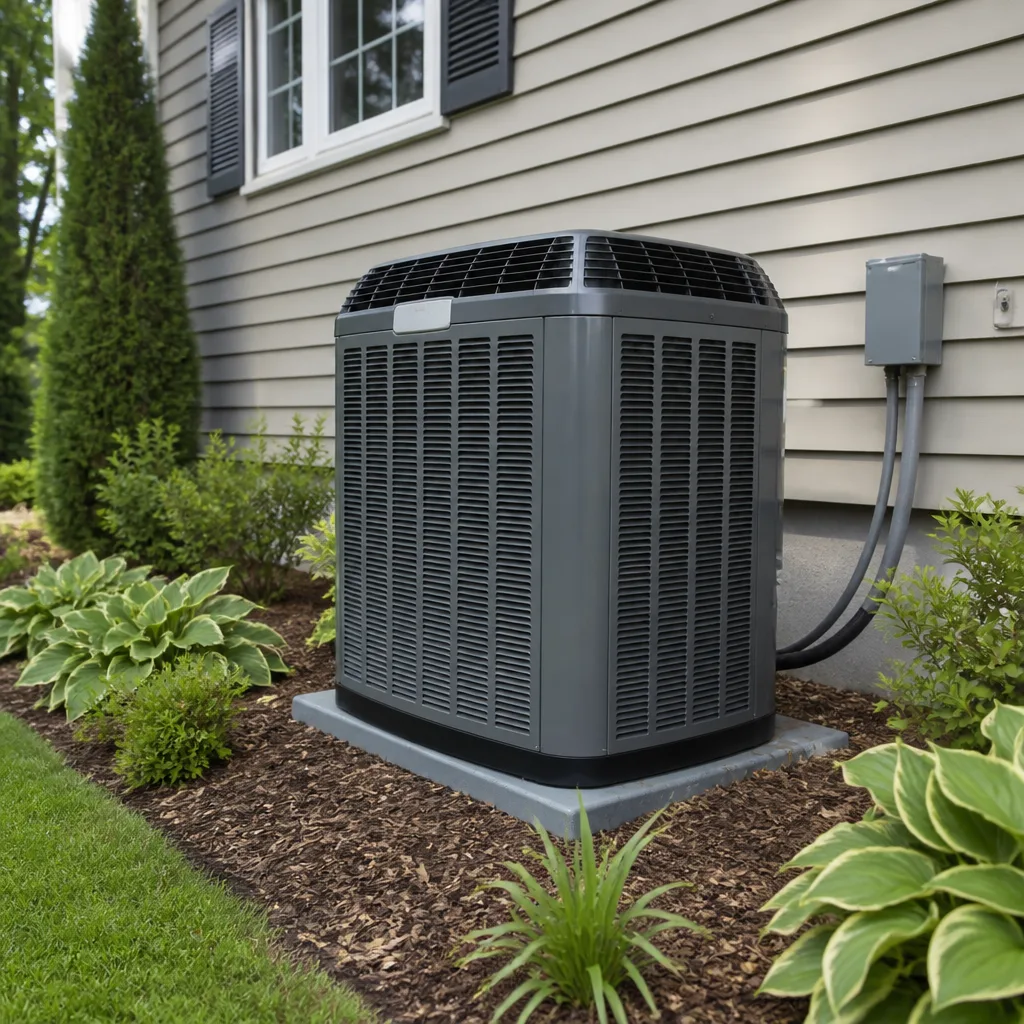 Trane
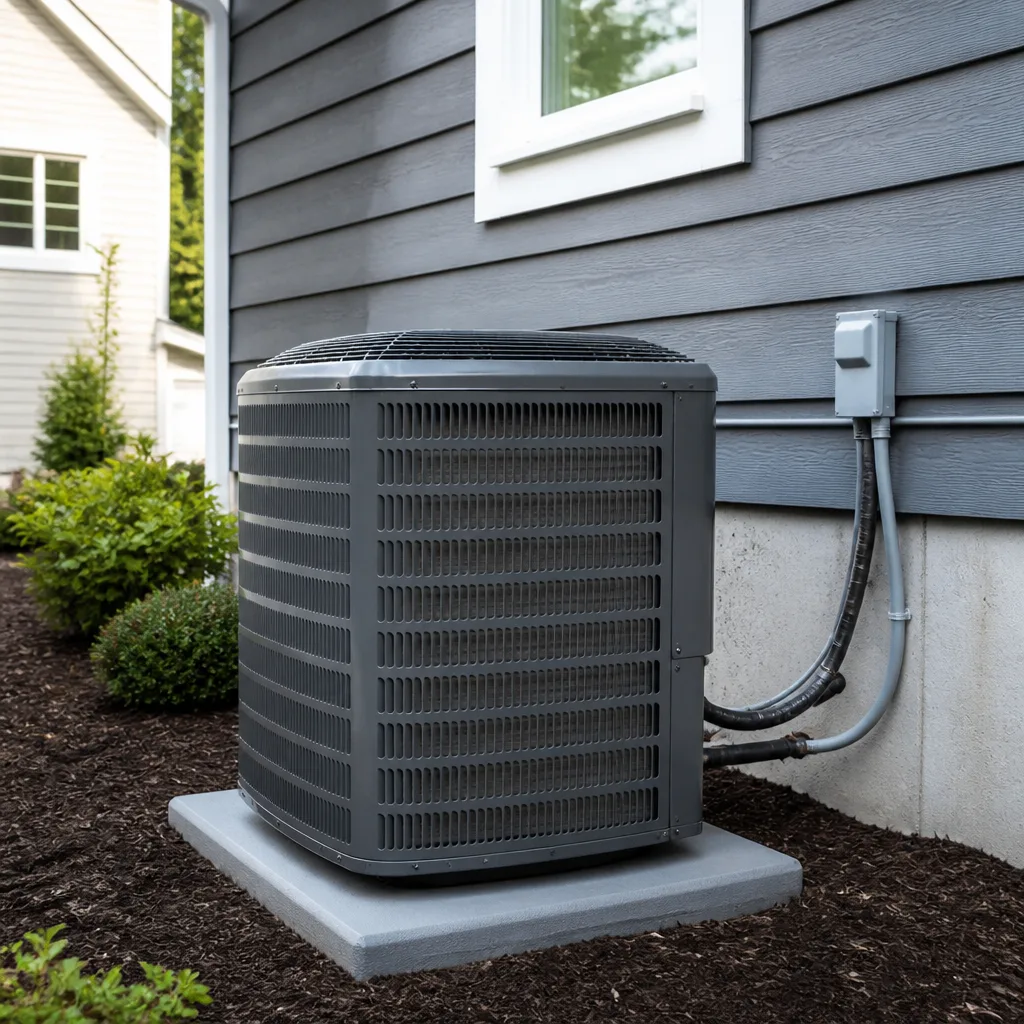 Goodman
Seasonal tune-up and full diagnostic on your Carrier, Trane, or Goodman system - readings shown to you before any repair is proposed
Diagnosis first, numbers second - you approve the repair price before a single part goes in.
Get your free estimateHow to Hire an HVAC Contractor in Enterprise: A Step-by-Step Guide
Nevada’s C-21 HVAC license tells you a contractor can legally do the work. It tells you nothing about whether they’ve ever opened the access panel on your specific equipment brand. That gap is where most hiring decisions go wrong in Enterprise. Homeowners tend to treat this like a background-check problem: verify the license, check a few reviews, book the appointment. But a license is a floor, not a ceiling. It confirms the contractor met the state’s requirements to perform heating and cooling work. It says nothing about brand-specific training, diagnostic depth, or whether the technician standing in your hallway has ever worked on a Daikin system before. This guide walks through what to actually verify, what questions to ask, and how to structure the service call so you get a written diagnosis before anyone touches your equipment.
Quick Answer
To hire an HVAC contractor in Enterprise, verify three things in order: a valid Nevada C-21 license, experience with your specific equipment brand, and a willingness to put a diagnosis in writing before you authorize any repair. A licensed contractor can legally do the work; only brand-specific training and a documented diagnostic process tell you whether they’ll do it correctly. Ask for the written diagnosis first, then decide.
Styles & brands we work with
- AC repair
- Furnace & heating
- Heat pumps
- Ductless mini splits
- Carrier
- Trane
- Goodman
Table of Contents
- What Does Nevada’s C-21 License Actually Cover?
- Why Brand Certification Matters Beyond the License
- Five Questions That Reveal Real Equipment Knowledge
- How to Read HVAC Reviews the Right Way
- Red Flags in HVAC Estimates
- How to Structure a Service Call for a Written Diagnosis
- What’s Different About Hiring HVAC in Enterprise
- Common Mistakes to Avoid
- When to Call a Professional
- Frequently Asked Questions
What Does Nevada’s C-21 License Actually Cover?
Nevada’s C-21 license covers heating, ventilating, and air conditioning contracting. It’s the classification the state requires for a contractor to legally install, repair, or service HVAC systems in a residential or light-commercial setting. If you’re hiring anyone to work on your heating and cooling equipment in Enterprise, this is the baseline credential to confirm before anything else.
What the license does not do is certify brand-specific competence. The state’s licensing exam tests general HVAC knowledge, business practices, and code familiarity. It does not test whether a contractor has been trained on Carrier equipment versus Trane equipment versus American Standard equipment. A contractor with a valid C-21 license could have spent their entire career working on one brand and never touched another. That’s legal. It’s also a problem if the equipment in your home doesn’t match their experience.
In practice, this means the license answers one question: can this person legally do the work? It doesn’t answer the question that actually matters to you: have they worked on equipment like yours before, and do they know its specific service procedures?
Here’s what to verify when you check the license:
- The license is active and in the contractor’s name, not expired or suspended.
- The classification is C-21 (heating and cooling), not a general contractor classification that happens to cover HVAC as a side category.
- The business name on the license matches the business you’re hiring.
If you’re in Enterprise and you’re not sure where to start, the AC Repair Enterprise page lays out the core service scope: AC repair, AC installation, and furnace repair, nothing broader. That narrow focus is itself a useful filter. A contractor who does HVAC and nothing else is more likely to have deep equipment knowledge than a generalist who also does plumbing and electrical.
Why Brand Certification Matters Beyond the License
Brand certification is a manufacturer’s training program layered on top of the state license. Carrier, Trane, Lennox, Goodman, Rheem, York, Daikin, Bryant, and American Standard all run their own training and authorization programs for the contractors who service their equipment. These programs cover the specific diagnostic procedures, error codes, component layouts, and service bulletins that apply to that manufacturer’s systems.
That matters because HVAC equipment is not interchangeable across brands. The way a Daikin system reports a fault is different from the way a Bryant system reports one. The refrigerant charge procedure, the control board layout, the sequence of operations, the parts that fail most often: all of it varies by manufacturer and often by model year within a manufacturer. A technician who’s been trained on the brand in your home can diagnose it faster and more accurately than one who’s reading the service manual for the first time on your dime.
Here’s the practical distinction:
- State license: confirms the contractor can legally perform HVAC work in Nevada.
- Brand certification: confirms the contractor has been trained on the specific manufacturer’s equipment, procedures, and service bulletins.
- Multi-brand coverage: confirms the contractor can work on more than one manufacturer’s equipment, which matters because the system in your home may not be the brand they sell most often.
When you’re evaluating a contractor in Enterprise, ask which brands they’re certified to service. A contractor who only works on the brand they install is a contractor who may not know how to diagnose your system correctly if it’s a different make. We work on the brand you already have, across nine major lines, because the equipment in your home was probably installed before you bought the house and isn’t going to change just because a contractor prefers a different manufacturer.
Five Questions That Reveal Real Equipment Knowledge
You can learn a lot about a contractor’s competence before you schedule anything, just by asking the right questions on the phone. These five are designed to separate generic HVAC service from equipment-specific expertise. Listen for how specific the answers are. Vague answers are a signal.
- “What brand is my system, and have you worked on that model before?” Give them your equipment make and model. A competent contractor will recognize the brand and often the model family. If they can’t tell you anything about the equipment without looking it up, that tells you something about how familiar they are with it.
- “Can you describe the most common failure on this type of system?” Every brand and model family has known weak points. A technician trained on your equipment will name a specific component or failure mode. A generalist will give you a generic answer like “it could be several things.”
- “Will you give me a written diagnosis before you do any repair work?” This is the single most important question on the list. A written diagnosis forces a contractor to commit to what’s wrong and why before they start billing. Verbal-only recommendations leave you with nothing to compare against a second opinion.
- “Do you do Manual J load calculations for replacements, or do you size by square footage?” Sizing a replacement system by square footage alone is a shortcut that often results in equipment that’s too large or too small for the home. A Manual J calculation accounts for insulation, window area, orientation, and duct design. If a contractor doesn’t do one, they’re guessing.
- “What’s your diagnostic process for a system that’s not cooling?” A good answer walks through the sequence: refrigerant charge, airflow, electrical, controls, and duct condition. A weak answer jumps straight to a conclusion.
You don’t need to be an HVAC expert to evaluate the answers. You just need to notice whether the answers are specific or generic. Specificity is the tell.
How to Read HVAC Reviews the Right Way
HVAC reviews are tricky because most of them are written about easy jobs. A five-star review for a quick refrigerant recharge or a filter change tells you the technician was on time and polite. It tells you almost nothing about whether they can diagnose a complex fault in a Carrier system that’s been misbehaving for two seasons.
Here’s how to read reviews for HVAC specifically:
- Look for reviews that mention a diagnosis, not just a repair. A review that says “they figured out what was wrong when two other companies couldn’t” is worth more than ten reviews that say “fast and friendly.”
- Read the negative reviews for patterns. One bad review is noise. Three reviews describing the same failure mode, like a repair that didn’t hold or a recommendation to replace when repair was possible, is a pattern worth taking seriously.
- Prioritize reviews that name the equipment brand. A reviewer who says “they knew exactly what to do with our American Standard system” is telling you the technician had brand-specific competence. That’s the signal you’re looking for.
- Discount reviews that only describe scheduling and pricing. Being on time and charging fairly is table stakes. It doesn’t tell you whether the work was done correctly.
One more thing: in a market like Enterprise, where the summer heat puts real load on every system, the reviews that matter most are the ones written in July and August. A contractor who handles the peak-season diagnostic load well is a contractor who’s seen a wide range of real failures. A contractor whose reviews are all from the mild months hasn’t been tested the same way.
Red Flags in HVAC Estimates
The estimate is where a lot of hiring decisions get made, and it’s also where a lot of homeowners get steered toward a replacement they didn’t need. The single biggest red flag in an HVAC estimate is a replacement recommendation that arrives without a Manual J load calculation or a duct evaluation attached to it.
Here’s what that omission means: the contractor is recommending a new system without knowing what size the home actually needs or whether the existing ducts can handle it. That’s not an estimate; that’s a guess with a price tag. A proper replacement estimate includes the load calculation results and a duct assessment, because a correctly sized system on undersized ducts will underperform just as badly as an incorrectly sized system.
Other red flags to watch for:
- A quote that skips the repair option entirely. If the system can be repaired, the estimate should say so and give you the repair price alongside the replacement price. A contractor who only quotes replacement is a contractor who’s not doing repair-first diagnostics.
- A verbal diagnosis with no written record. You should get the diagnosis in writing: what’s wrong, what the recommended fix is, and what the price is. Verbal-only recommendations give you nothing to compare.
- Pressure to decide on the spot. A replacement is a significant purchase. A contractor who won’t let you take the estimate home and think about it is telling you something about how they sell.
- No mention of the equipment brand you have. If the estimate recommends a specific brand without first discussing the system you currently have and its repair history, the recommendation is following the contractor’s inventory, not your equipment.
- A price that doesn’t separate diagnosis from repair. You should know what the diagnostic visit costs and what the repair costs, separately. Bundled pricing hides the diagnostic value.
For a closer look at what a proper repair estimate covers, the AC repair page breaks down the repair-first diagnostic approach: assess whether repair is viable before steering toward replacement. That’s the standard you should hold every estimate to.
How to Structure a Service Call for a Written Diagnosis
The most effective thing you can do as a homeowner is structure the service call so you get a written diagnosis before you authorize any work. This isn’t about being difficult; it’s about making the contractor commit to what’s wrong before the invoice starts growing. Here’s the sequence:
- Describe the symptoms, not the diagnosis. Tell the contractor what the system is doing (not cooling, short cycling, making noise, running constantly) and when it started. Don’t tell them what you think is wrong. Let them diagnose.
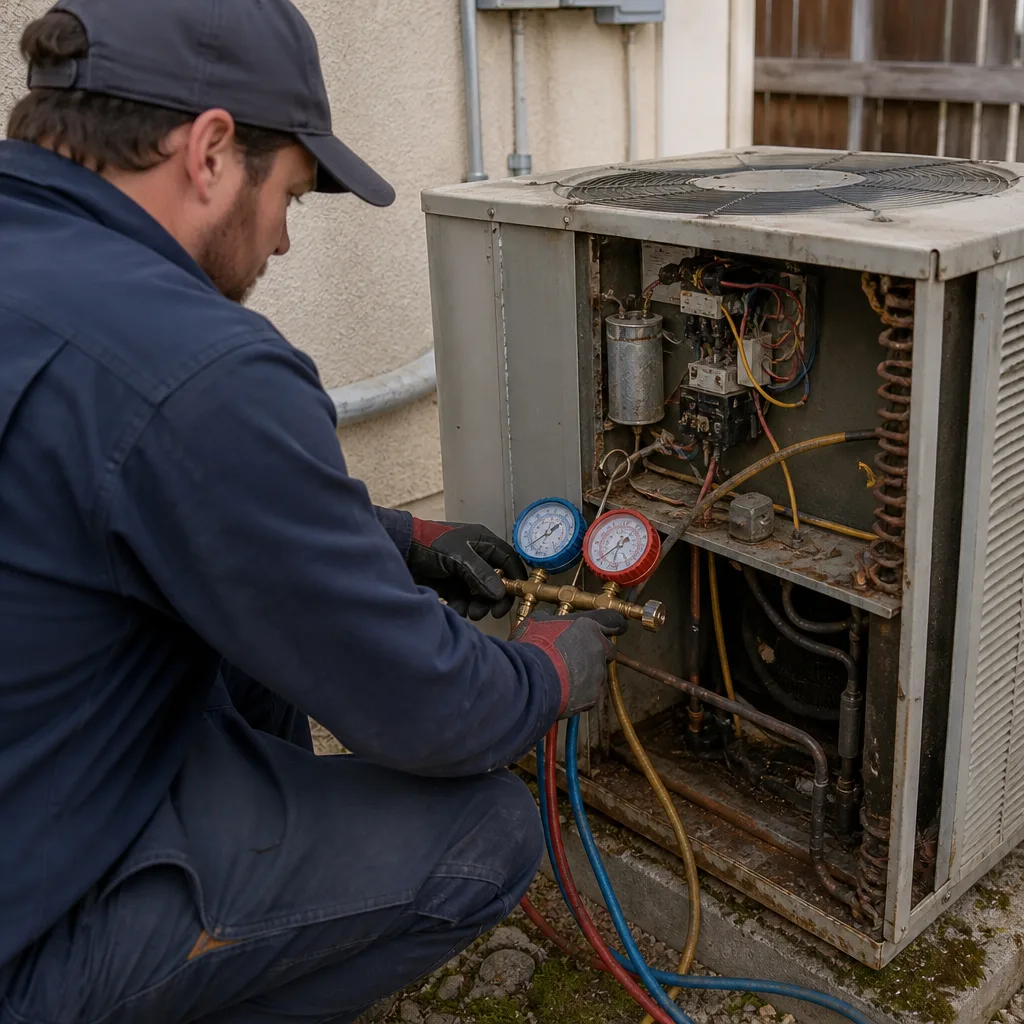
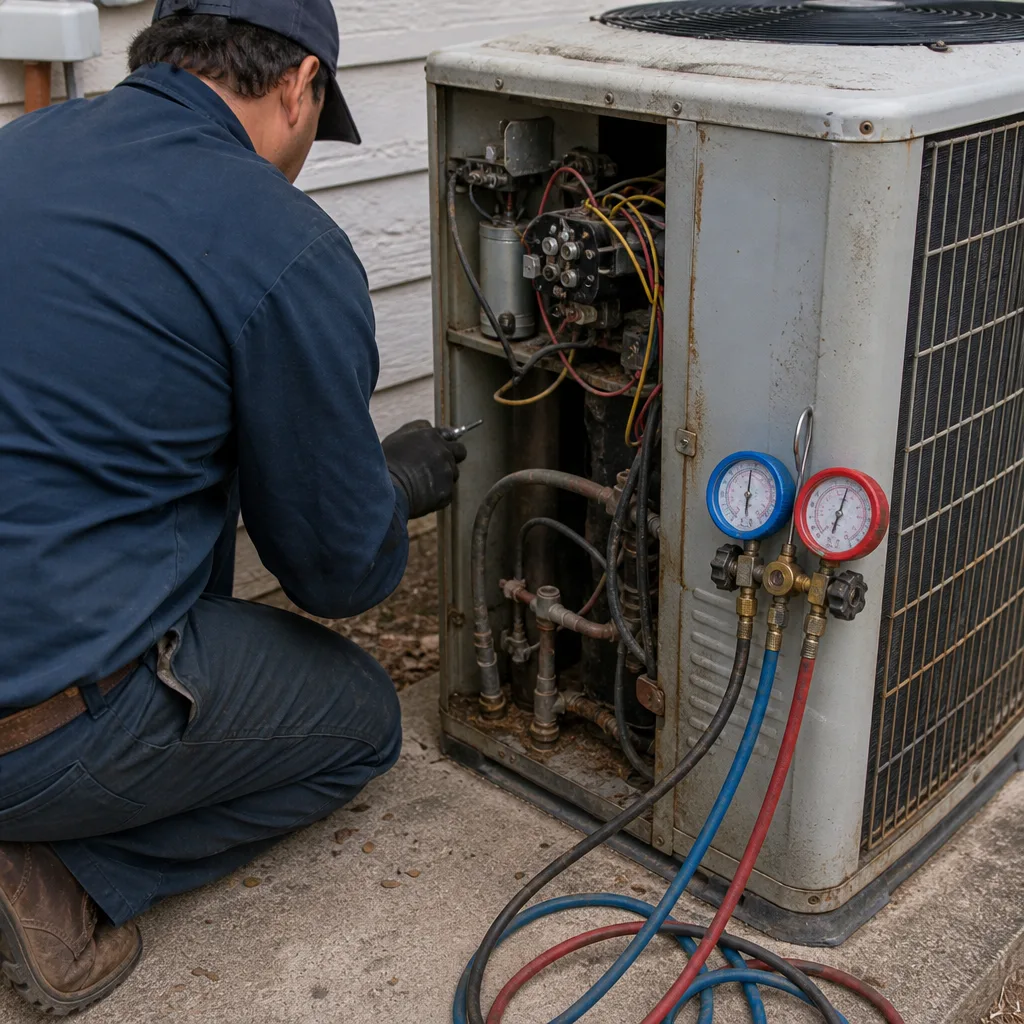
- Ask for the diagnostic procedure in writing. A professional contractor will do a sequence of checks: refrigerant pressures, airflow, electrical, controls, and duct condition. Ask them to note what they checked and what they found.
- Request the written diagnosis before any repair authorization. The diagnosis should state what’s wrong, what the recommended fix is, and the price. If the diagnosis is verbal only, ask for it in writing.
- Compare the diagnosis against the repair recommendation. A repair recommendation should follow logically from the diagnosis. If the diagnosis says the capacitor is failing but the recommendation is a full system replacement, ask why.
- Get a written estimate for the repair, with the price set per job. The written estimate is what sets the final price. Get it before you say go.
This structure protects you in two ways. It forces the diagnostic process to be documented, and it gives you something concrete to compare if you decide to get a second opinion. A contractor who’s confident in their diagnosis won’t object to putting it in writing. A contractor who resists is telling you something.
If you’re ready to book a diagnostic, our AC installation page covers the load calculation and duct evaluation side, and the repair page covers the diagnostic sequence. Both are built around the same principle: document the diagnosis, then recommend.
What’s Different About Hiring HVAC in Enterprise
Enterprise sits in the Las Vegas valley, and that shapes what your HVAC system endures. Summer design temperatures push equipment toward its rated limits for weeks at a stretch, and the cooling load doesn’t let up at night the way it does in milder climates. Systems here run longer and harder than the national average, which means the diagnostic and repair competence of the contractor you hire matters more, not less.
The housing stock varies too. Newer builds in Enterprise often have systems that were sized and installed during construction, with ductwork designed for that specific floor plan. Older homes may have had equipment replaced once already, sometimes with a system that doesn’t match the original duct design. When you’re hiring a contractor in Enterprise, ask whether they’ve worked on systems in the kind of home you have. A contractor who’s only seen new construction and a contractor who’s worked on both new and resale homes bring different diagnostic experience.
There’s also the replacement question. In a climate where systems run long and hard, the repair-or-replace decision comes up sooner than it would in a milder market. The Enterprise page covers the local service picture, and it’s worth reading before you decide. The key point is that replacement should follow a documented diagnosis and a load calculation, not a guess based on the system’s age. A well-maintained system that runs hard can still have years of service left; a neglected one can fail early regardless of its age.
Finally, peak season matters. When the temperature climbs, every HVAC contractor in the valley is busy. That’s exactly when you want to have already verified your contractor’s brand competence and diagnostic process, so you’re not evaluating a company under pressure while your house heats up.
Common Mistakes to Avoid
- Hiring on license alone. A C-21 license confirms the contractor can legally do the work, not that they’ve worked on your equipment brand. Verify both before you book.
- Treating five-star reviews as proof of diagnostic skill. Most reviews are written about easy jobs. Look for reviews that describe a diagnosis, not just a repair, and that name your equipment brand.
- Accepting a verbal diagnosis. A diagnosis you can’t read is a diagnosis you can’t compare. Ask for it in writing before authorizing any repair.
- Taking a replacement estimate without a Manual J. If the estimate recommends a new system without a load calculation or duct evaluation, the sizing is a guess. Ask for both.
- Letting a contractor recommend by inventory. A recommendation should follow your existing equipment and its repair history, not the brand the contractor happens to stock. Ask why the recommendation fits your system.
- Skipping the repair option. A replacement estimate that doesn’t quote the repair alongside it is a red flag. Repair-first diagnostics protect your budget.
- Waiting until peak season to verify anything. In Enterprise, July and August are when systems fail and contractors are busiest. Do the verification before the emergency, not during it.
When to Call a Professional
Some HVAC problems are genuinely urgent, and a few are dangerous. Call a professional when the system stops cooling entirely during a heat wave, when you smell gas near a furnace, when you see scorch marks or smell burning insulation near the air handler, or when the system trips the breaker repeatedly. These are not DIY situations. Electrical and gas components can cause injury or fire, and a refrigerant system requires recovery equipment and training to service safely. Call sooner rather than later if the system is short cycling, running constantly without cooling, or making a grinding or screeching noise. AC Repair Enterprise offers free estimates in Enterprise: call (833) 632-6348. We answer 24/7, with fast dispatch from 7am to 7pm, Sunday through Friday.
Frequently Asked Questions
You should verify an active Nevada C-21 license in the contractor’s name. The C-21 classification covers heating, ventilating, and air conditioning contracting, which is the credential required to legally install, repair, or service HVAC systems in Nevada. It’s the baseline; brand certification is what you verify on top of it.
No. Nevada’s C-21 license tests general HVAC knowledge and code familiarity, not brand-specific training. A licensed contractor could have spent their career on one brand and never touched another. Ask which brands they’re certified to service, and give them the make and model of your system before you book.
Ask five things: what brand your system is and whether they’ve worked on that model, what the most common failure is on that equipment, whether they’ll give a written diagnosis before any repair work, whether they do Manual J load calculations for replacements, and what their diagnostic process is for a system that’s not cooling. Specific answers are the signal; generic answers are the tell.
A replacement recommendation without a Manual J load calculation or duct evaluation is the biggest red flag. A proper replacement estimate includes both, plus the repair option quoted alongside it. If a contractor only quotes replacement and skips the repair, ask why. Repair-first diagnostics should come before any replacement recommendation, and the written estimate sets the final price.
Brand certification is the manufacturer’s training on that specific equipment line: diagnostic procedures, error codes, component layouts, and service bulletins. It’s layered on top of the state license, and it tells you the technician has worked on equipment like yours. Equipment isn’t interchangeable across brands, so brand training shortens the diagnostic process and reduces the chance of a misdiagnosis.
Yes, and you should ask for one. A written diagnosis states what’s wrong, what the recommended fix is, and the price, which gives you something concrete to compare against a second opinion. Call (833) 632-6348 for a free estimate. We answer 24/7, with fast dispatch from 7am to 7pm, Sunday through Friday.
The Bottom Line
Hiring an HVAC contractor in Enterprise is a competency-verification problem before it’s anything else. Verify the C-21 license, then verify brand competence on your specific equipment. Ask the five questions, read reviews for diagnostic depth rather than politeness, and treat a replacement estimate without a Manual J or duct evaluation as a non-answer. Structure the service call so you get a written diagnosis before you authorize any work, and compare the repair recommendation against the diagnosis. Do that, and you’ll hire the contractor who actually knows your system. Our technicians have up to 12 years of experience across Carrier, Trane, Lennox, Goodman, Rheem, York, Daikin, Bryant, and American Standard equipment.
AC Repair Enterprise specializes in AC repair, AC installation, and furnace repair for residential and light-commercial systems in Enterprise. If you want a straight assessment of your equipment and a written diagnosis before any work is authorized, call (833) 632-6348 for a free estimate. We answer 24/7. Fast dispatch from 7am to 7pm, Sunday through Friday.
Written by the team at AC Repair Enterprise.
See the difference
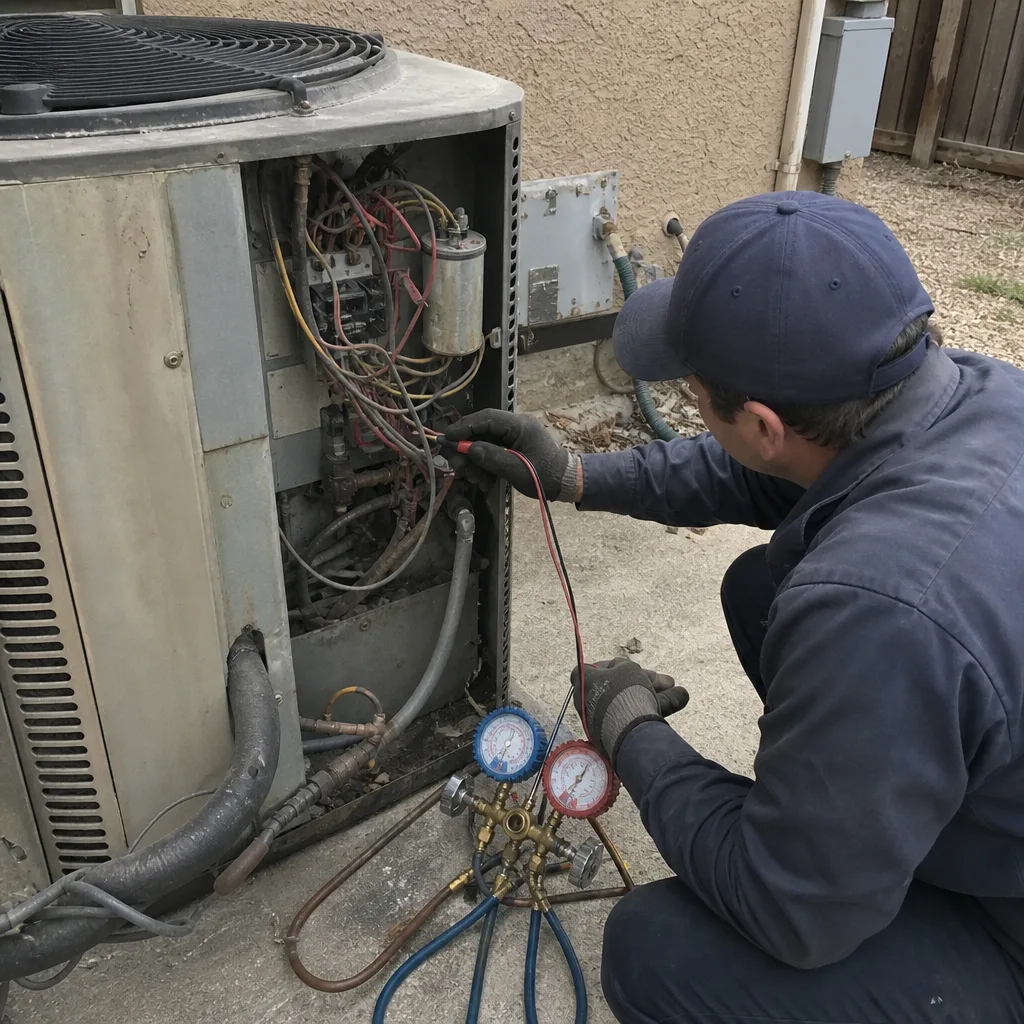 Before
 After
 Before
 After
 Before
 After