
Last updated November 15, 2026
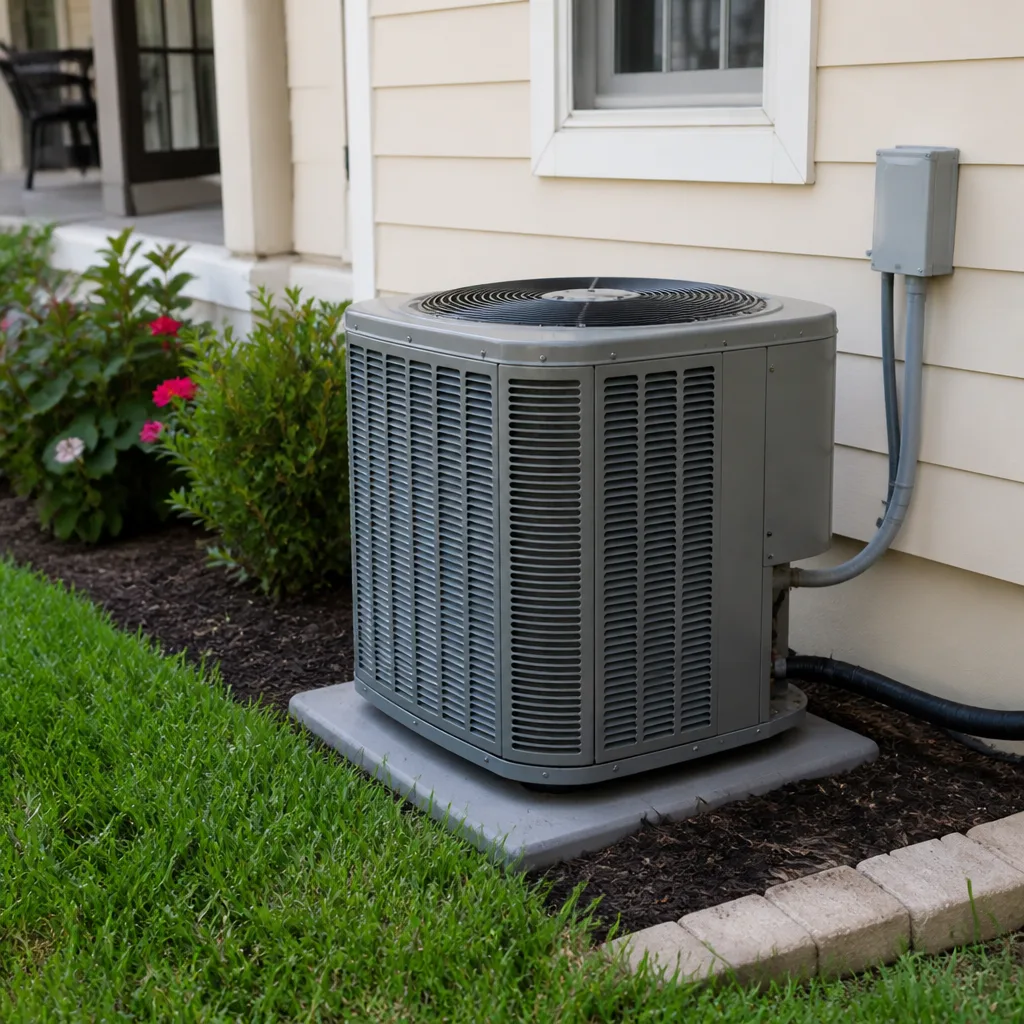 AC repair
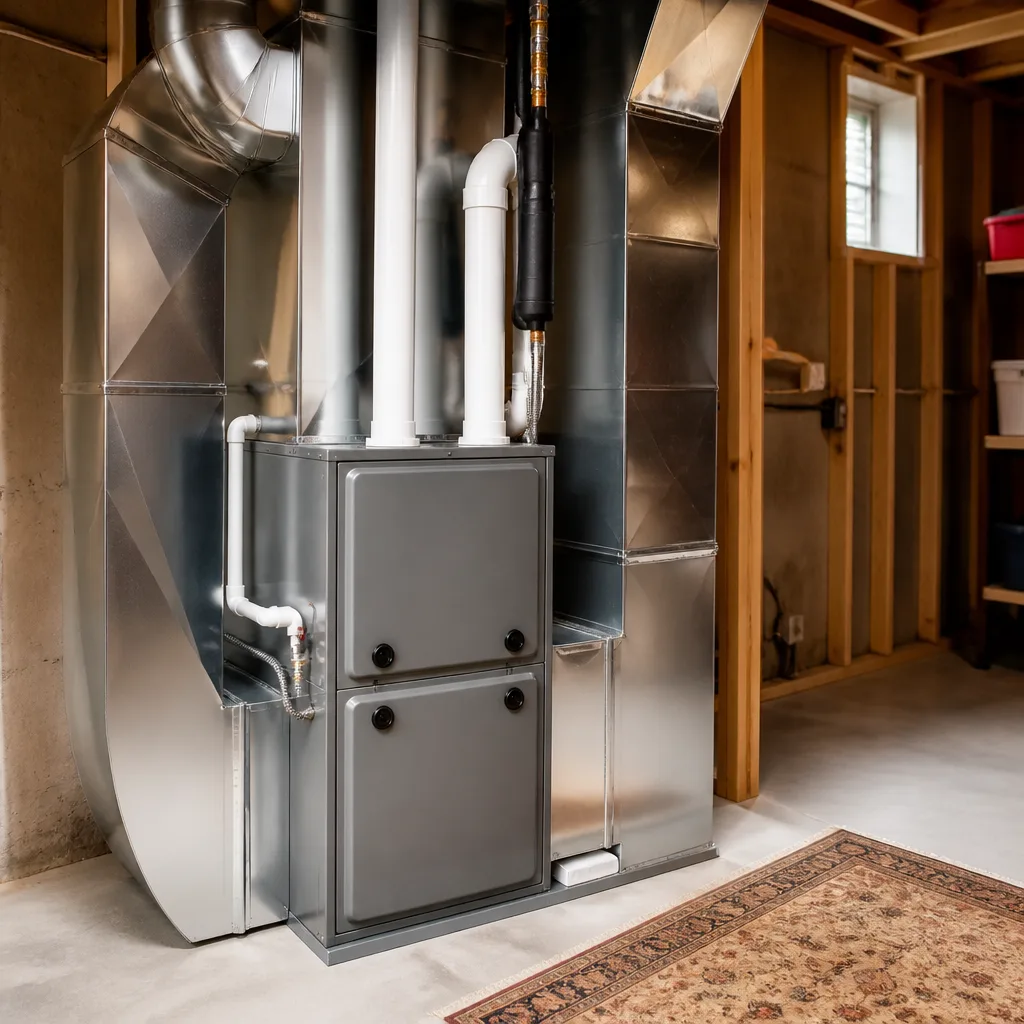 Furnace & heating
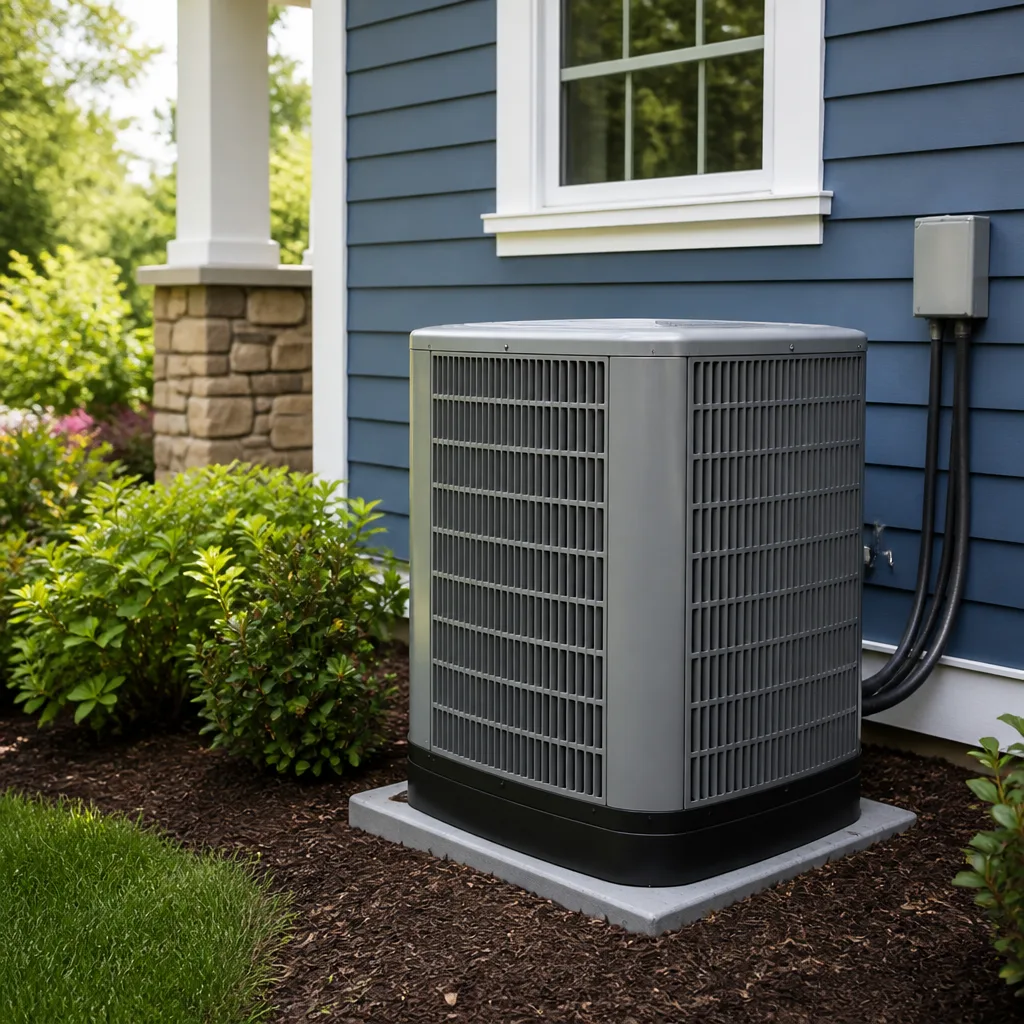 Heat pumps
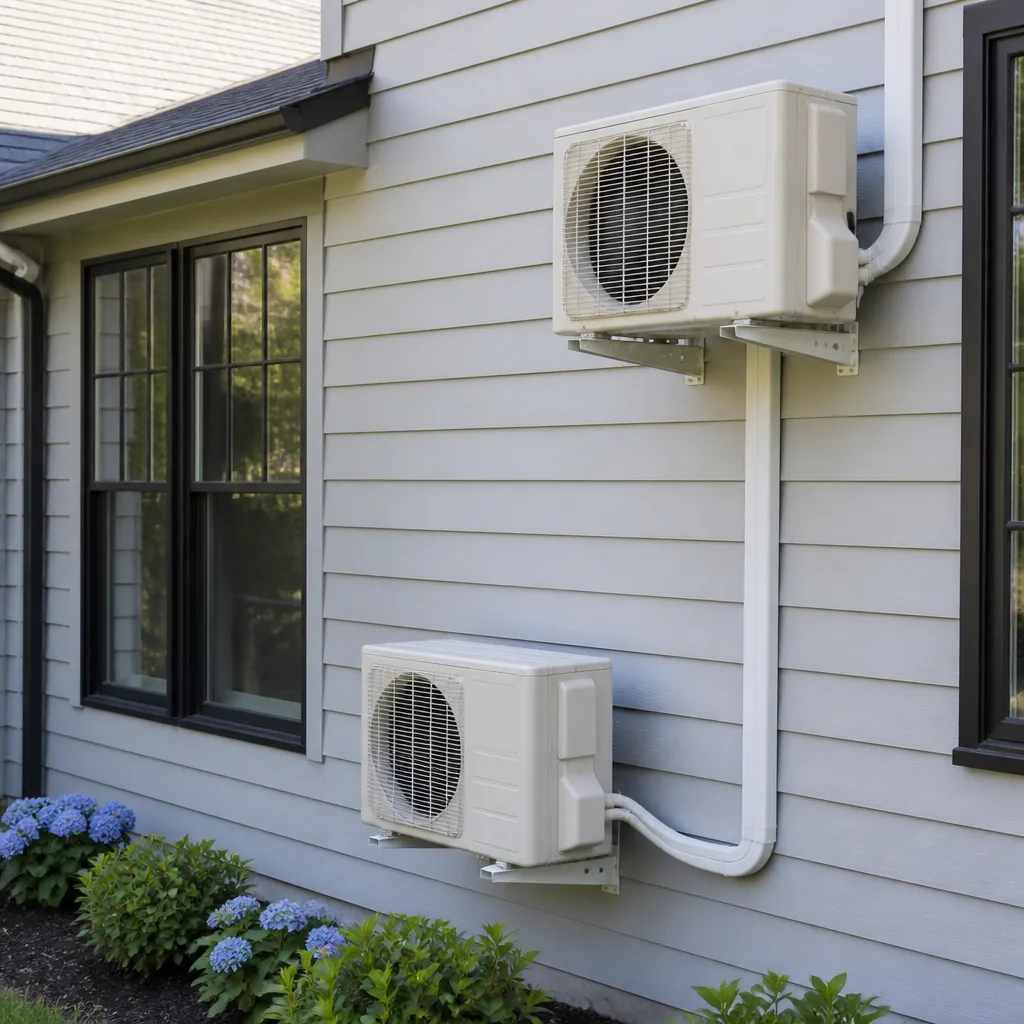 Ductless mini splits
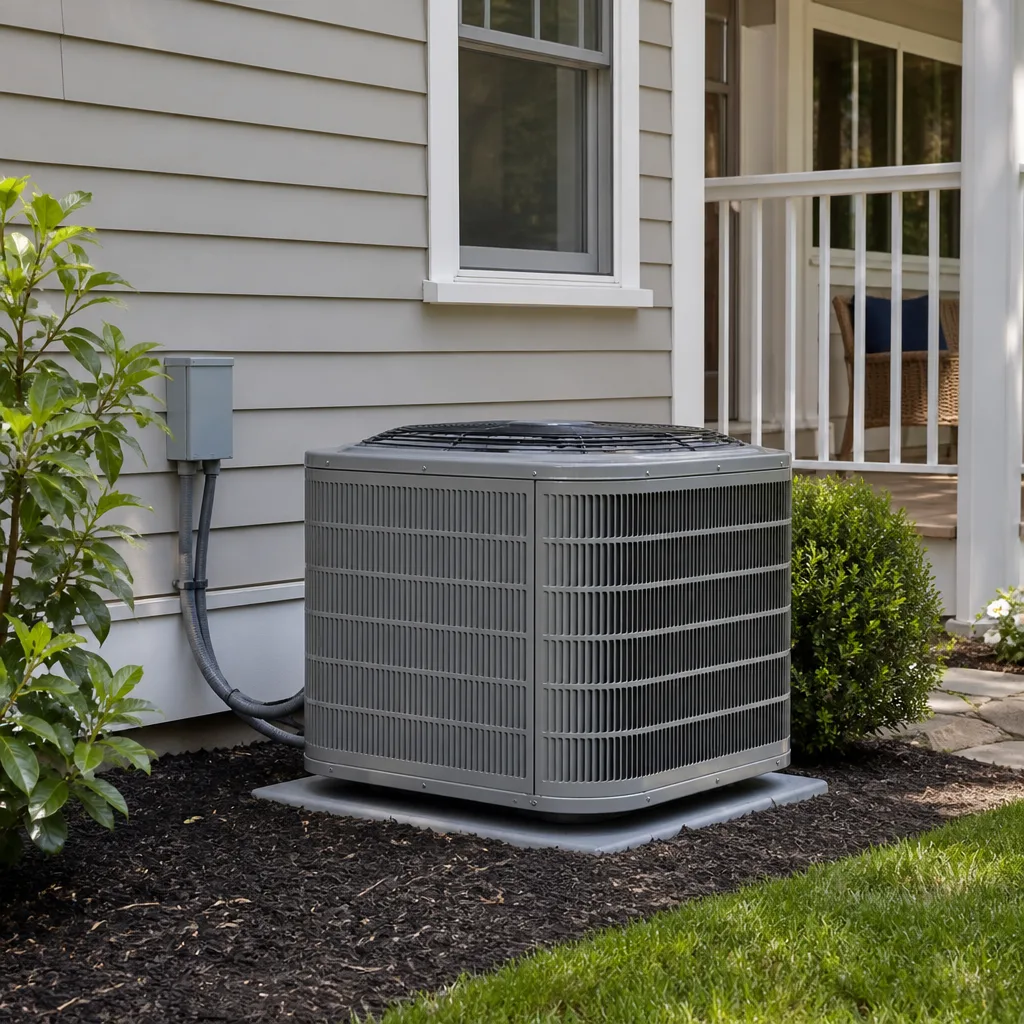 Carrier
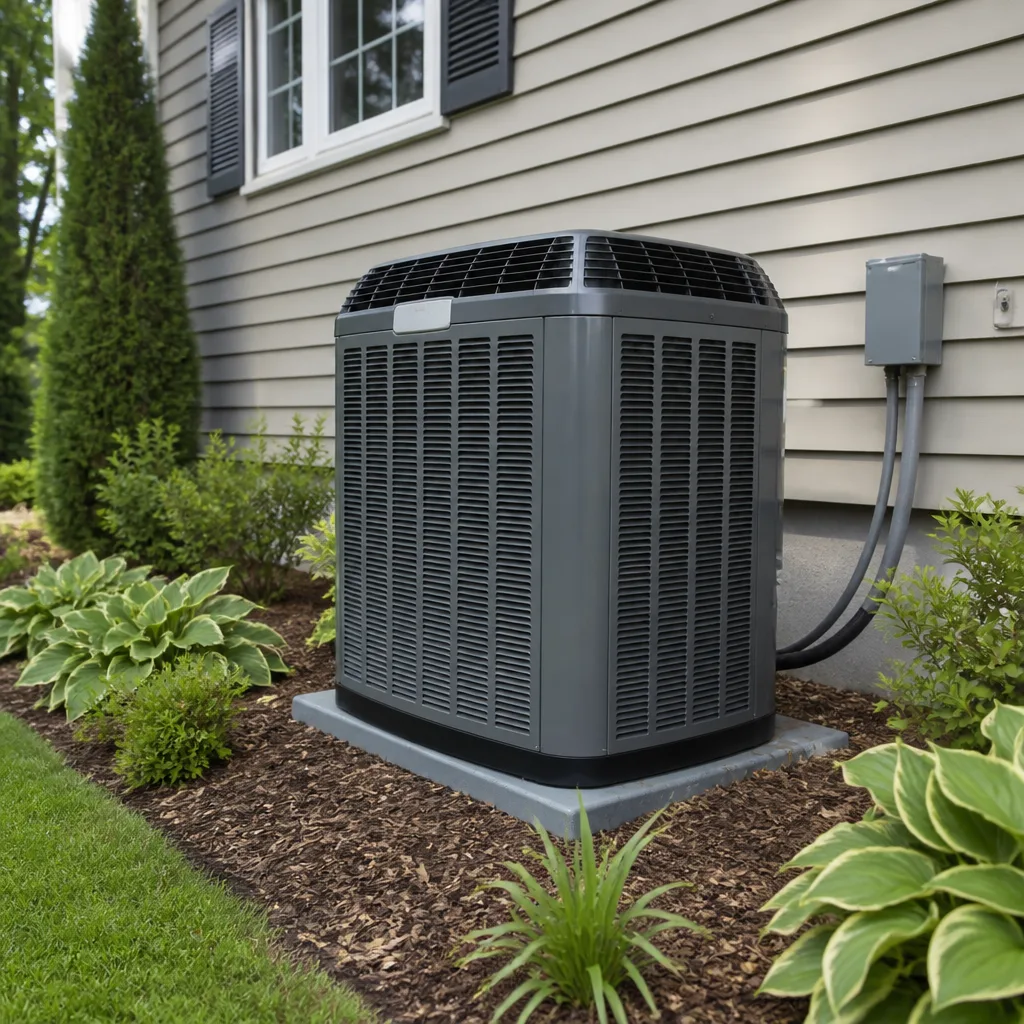 Trane
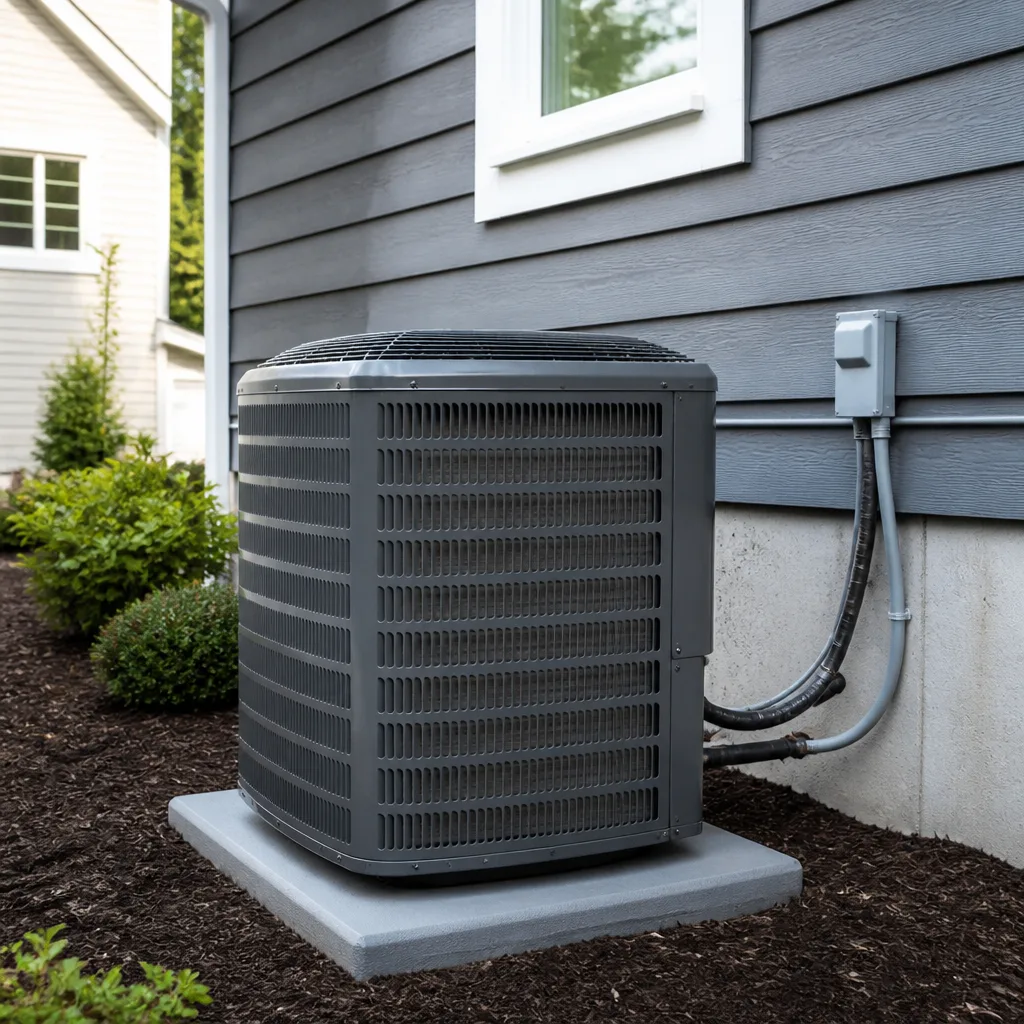 Goodman
Seasonal tune-up and full diagnostic on your Carrier, Trane, or Goodman system - readings shown to you before any repair is proposed
Diagnosis first, numbers second - you approve the repair price before a single part goes in.
Get your free estimateHVAC Permits, Codes & Inspections in Enterprise, NV: What You Need to Know
An HVAC replacement without a permit in Clark County isn’t just a code violation. It’s a title encumbrance that can surface at closing and cost more to resolve than the original permit would have a few years earlier. That’s the part most homeowners in Enterprise don’t hear until it’s too late: the work ran fine, nobody complained, and then a buyer’s inspector asks for the permit record and there isn’t one. This guide walks through exactly which jobs require a Clark County permit and which are exempt, how to check permit history on work a previous owner had done, what an inspection actually evaluates, who carries legal responsibility when unpermitted work fails, and how Nevada’s adopted energy code shapes equipment selection. If you’re planning HVAC work in Enterprise, this is the groundwork.
Quick Answer
In Enterprise and the rest of unincorporated Clark County, a full HVAC system replacement or a new installation generally requires a mechanical permit and inspection, while like-for-like repair and routine service typically does not. Permit records are public through Clark County’s online portal, so buyers and their inspectors can verify whether work on your home was ever signed off. If you’re replacing equipment, get the permit before the install crew arrives and keep the final inspection paperwork with your home records.
Styles & brands we work with
- AC repair
- Furnace & heating
- Heat pumps
- Ductless mini splits
- Carrier
- Trane
- Goodman
Table of Contents
- Why HVAC Permits Matter in Enterprise
- Which HVAC Jobs Trigger a Clark County Permit
- How to Check Permit History on Your Home
- What a Clark County HVAC Inspection Actually Checks
- Who Is Responsible When Unpermitted Work Fails
- Nevada Energy Code and Your New Equipment
- What Happens at Sale: The Closing Problem
- How to Hire an HVAC Contractor Who Permits Correctly
Why HVAC Permits Matter in Enterprise
Most homeowners think of a permit as paperwork the contractor handles quietly behind the scenes. In Enterprise, that mental model is where trouble starts. A permit isn’t a formality. It’s the legal record that a licensed contractor performed code-compliant work and that an independent inspector verified it. Without that record, everything about the installation rests on nothing but the contractor’s word, and eventually on whatever the buyer’s home inspector can see from the driveway.
Enterprise is a community of mostly single-family homes with a large share of tract-built subdivisions built in waves over the last few decades. That matters here for one practical reason: much of the housing stock already carries a replacement unit that’s ten to twenty years old. When those systems reach end of life, they get swapped. When the swap happens without a permit, it looks like a normal sale down the road, until someone pulls records. The county doesn’t typically chase down unpermitted residential work on its own. The problem surfaces in a transaction, and by then the person eating the cost is the seller.
Our technicians have up to 12 years of experience working HVAC in this corner of the valley, and a routine part of the conversation on replacement jobs is explaining why the permit exists in the first place. It’s not busywork. It’s the paper trail that protects the homeowner for the life of the system. For a broader look at how we approach heating and cooling work across the area, see Enterprise.
Which HVAC Jobs Trigger a Clark County Permit
The single biggest misunderstanding about HVAC permits is that anything involving the equipment requires one. It doesn’t. Repair and service are almost always exempt. Replacement and new installation almost never are. The dividing line is whether the job changes the equipment or its connected systems, not whether a technician comes out.
Here’s how the categories break down in practical terms:
Usually requires a mechanical permit and inspection
- Full replacement of an indoor unit, outdoor condensing unit, or both. A like-for-like swap on the same tonnage still counts as new equipment being installed, and code review applies.
- New installation where none existed before. Adding central air to a home that never had it, or adding a second system.
- Repair or replacement of electrical components related to the HVAC circuit. Some electrical scope under a replacement typically needs to be reviewed along with the mechanical permit.
- Duct work tied to a system replacement. When ducts are modified to accommodate new equipment, that’s part of the permitted scope.
- Refrigerant line replacement. New line sets run with the new condenser are part of the permit.
Typically exempt from a permit
- Diagnostic work, general service and tune-ups
- Like-for-like repair of individual parts on existing equipment: blower motors, capacitors, contactors, boards, thermostats
- Refrigerant recharge and leak repair on the existing system
- Filter changes and routine maintenance
- Cleaning a condenser coil on the existing unit
The threshold most homeowners get wrong is this: installing a Lennox or Goodman condenser of the same capacity in the same spot on the pad is still an installation, not a repair. If you’re replacing the equipment, plan on a permit. If you’re repairing the equipment, plan on not needing one. The line is usually that clear. If you’re unsure which side your job falls on, the right answer is to ask the county directly before work begins, not after.
How to Check Permit History on Your Home
Clark County publishes building permit and inspection records for anyone to search. Homeowners, buyers, and inspectors use the same portal. If you want to know whether the HVAC system in your Enterprise home was replaced with or without a permit, you can find out. It takes about fifteen minutes of sitting at a computer.
Here’s the step-by-step most homeowners find easiest:
- Go to the Clark County Department of Building & Fire Prevention’s online permit search. The county runs its own public portal. Bookmark it.
- Search by property address. Use the actual county street address, not a mailing address. Include the direction, like “E” or “W,” if applicable.
- Look for mechanical or combination permits on record. Records usually list the permit type, the date applied, the date issued, and the permit’s current status.
- Look for the inspection results. A permit that was issued but never inspected will show as open or expired, which is not the same as a valid signed-off install.
- Check the contractor name on the record. If that contractor was licensed at the time of the permit (which the state can verify separately), that’s a good sign the work was done properly.
- Request a permit history report if you need something official. The county provides a formal record for a fee, which is sometimes requested in real estate transactions.
Two things worth knowing. First, HVAC permits have expiration windows. A permit issued and never inspected will lapse, and that leaves the work in the same state as if no permit had been pulled. Second, older records won’t always be in the online portal. Records from more than a couple of decades back sometimes require a phone call or in-person visit to the county. If your home was built in a tract and only ever had one replacement, the record should still be there.
What a Clark County HVAC Inspection Actually Checks
The inspection after a permitted install isn’t a rubber stamp. The inspector comes out to verify the new system meets code, which is what makes the permit meaningful. Knowing what’s evaluated makes the process go smoothly and takes away the anxious feeling of waiting for a verdict.
Expect the inspector to look at the following:
- Equipment nameplate and model. The installed unit must match what was on the permit application. Substituting a different model without an updated application is a common reason for a re-inspection.
- Electrical connections and disconnect. Correct wire sizing, proper breaker rating, and a disconnect within sight of the outdoor unit are standard checks.
- Refrigerant line integrity. Lines must be properly routed, insulated, and pressure-tested. Signs of kinks or missing insulation are flagged.
- Condensate drainage. The drain line needs proper slope and, depending on the configuration, a secondary pan and float switch. This one is critical in a desert climate because condensate volume in summer is high.
- Platform and pad condition. Outdoor pads must be level and support the unit’s weight. Indoor units in the attic or closet must sit on a properly supported platform.
- Clearances and access. Required clearances around the outdoor unit for airflow and around the indoor unit for service access are typically checked.
- Vent and combustion air for gas units (when applicable). If your system includes gas heating, flue venting and combustion air requirements are part of the review.
- Duct connections. Ductwork that was part of the permit scope is inspected for proper connection and sealing.
The single most common reason a re-inspection happens in this corner of the valley is a mismatch between the model installed and the model applied for. If your contractor planned for a Rheem and ended up installing a different unit due to availability, the permit application has to be amended. The other frequent reason is condensate drainage in a tight attic space. Knowing those two is most of the headache avoidance.
If you’re installing a new system and want the process handled correctly, our AC installation team pulls the permit and walks the inspection with you. If you’re troubleshooting an existing system, our AC repair service covers the equipment category.
Who Is Responsible When Unpermitted Work Fails
The legal answer surprises homeowners: the property owner is on the hook, not the contractor who did the unpermitted work, and not the previous owner who hired them. If unpermitted HVAC work causes a fire, an electrical fault, or a water leak that damages the structure, the insurance company’s investigation leads back to the absence of a permit, and the policyholder carries the consequences.
A few things follow from that, and they’re worth understanding clearly:
- The contractor’s insurance usually only covers work performed within scope. Unpermitted work sits outside scope in the eyes of many liability policies. If the installer’s coverage declines, the homeowner’s own policy becomes the payer of last resort, and even then the claim can be contested.
- Homeowner’s insurance can deny a claim outright. Language in many policies excludes damage from work performed without required permits. Read the exclusions on your own policy to see exactly what’s covered.
- The original contractor’s license matters. If the work was done by a licensed Nevada contractor who simply failed to pull the permit, you may have recourse through the Nevada State Contractors Board. If the work was done by an unlicensed individual, that avenue closes, and getting resolution becomes a civil matter.
- The seller carries it at closing. In a real estate transaction, the buyer’s inspector flags the missing permit, and the seller either pulls a permit retroactively (which involves opening the walls if the install can’t be inspected in place) or credits the buyer the cost of remediation.
We’ve seen enough of these to be direct about it: the person who physically gets stuck with the cost is the current owner, whether or not they’re the one who arranged the work. That’s why the permit matters even when the install runs fine for years. It’s not about the here and now. It’s about who’s holding the bag later.
Nevada Energy Code and Your New Equipment
Nevada has adopted versions of the International Energy Conservation Code (IECC) into its statewide commercial and residential energy requirements, and Clark County enforces those requirements through the permit and inspection process. For a homeowner replacing an HVAC system in Enterprise, that means the new equipment has to meet efficiency minimums set by code, not just whatever the contractor happens to have on hand.
In practical terms, the code affects three things on a replacement job:
1. Minimum efficiency ratings for new equipment
Replacement equipment sold and installed in Nevada must meet minimum efficiency ratings under the adopted code. The exact rating for a given system type and capacity is set by the code version and updated as new versions take effect. Your contractor should be able to tell you the minimum that applies to your equipment, and the model they propose should meet it. This is worth asking about directly. Contractors who carry older stock sometimes propose equipment that no longer meets the requirement.
2. Duct sealing and insulation requirements
When ducts are part of a replacement scope, energy code requires sealing and insulation to specified levels. In a desert climate, poorly sealed ducts in an attic that reaches well over 100 degrees in summer are one of the biggest hidden efficiency leaks in the house. Duct work that’s part of the permit scope will typically be inspected for connection and insulation.
3. Commissioning and verification
New equipment must be verified to perform to spec at commissioning, which usually means airflow and refrigerant charge verification as part of the install. That’s part of what the inspection confirms, and it’s also part of what protects the homeowner from an installation that meets code on paper but underperforms in the summer.
We work on the brand you already have, whichever of the nine major lines it is, and our replacement recommendations follow the code minimums and the home’s actual load, not a preferred brand. If you’re weighing a Carrier, Trane, or Bryant replacement in Enterprise, we’ll walk you through what the code requires and what makes sense for your home.
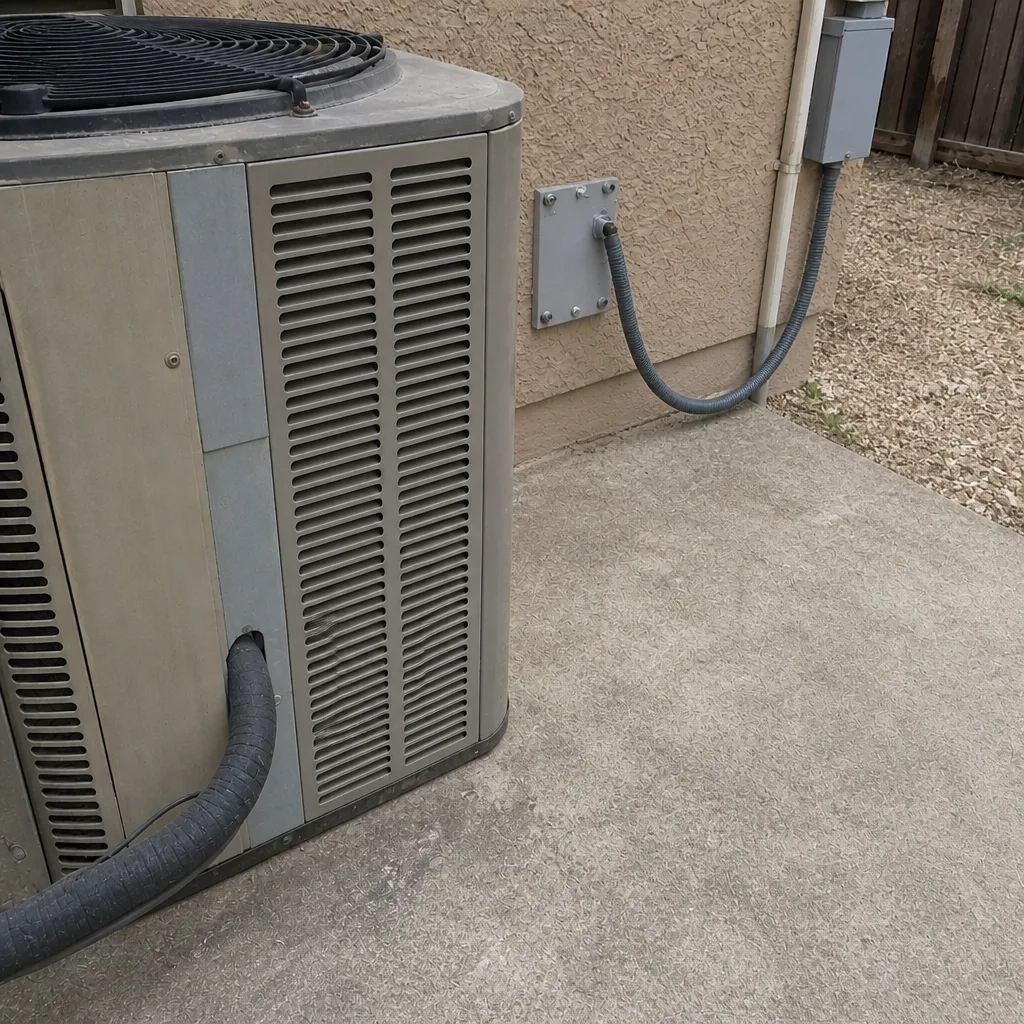
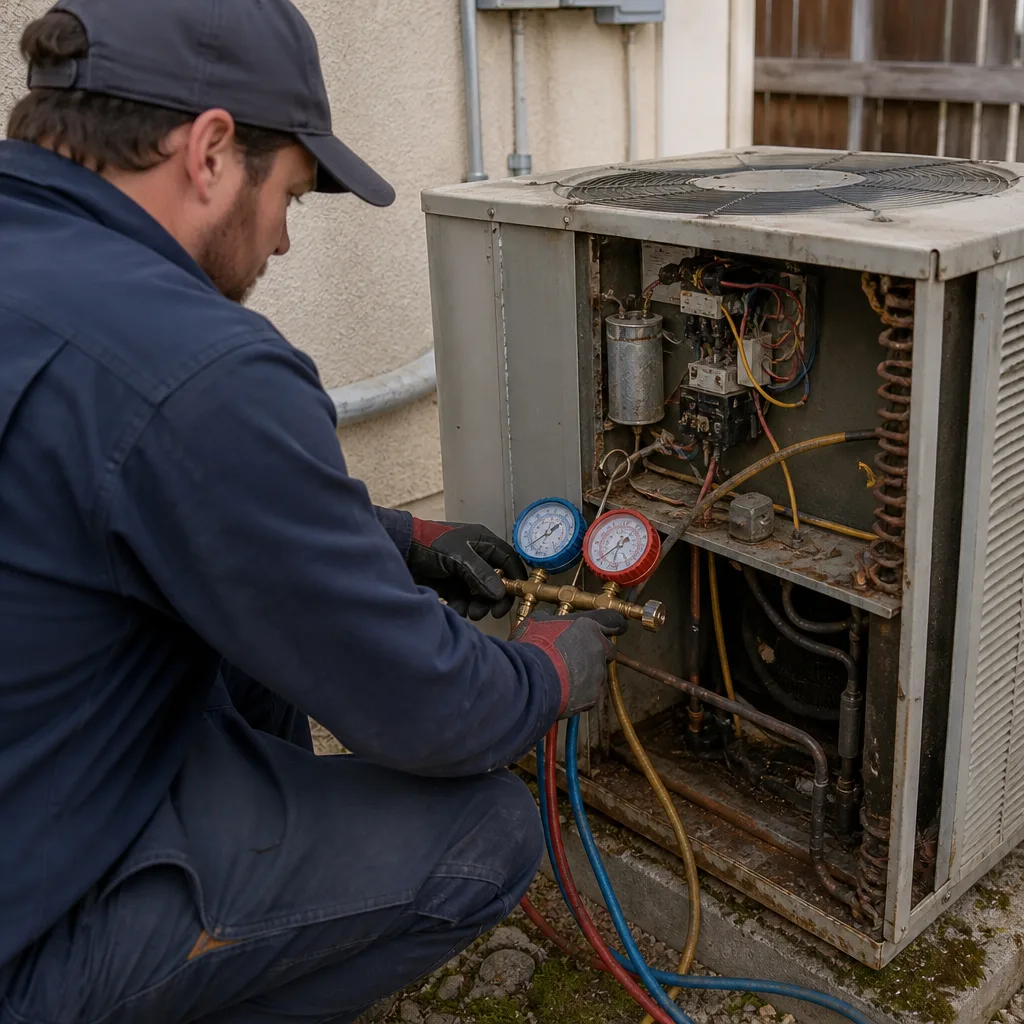
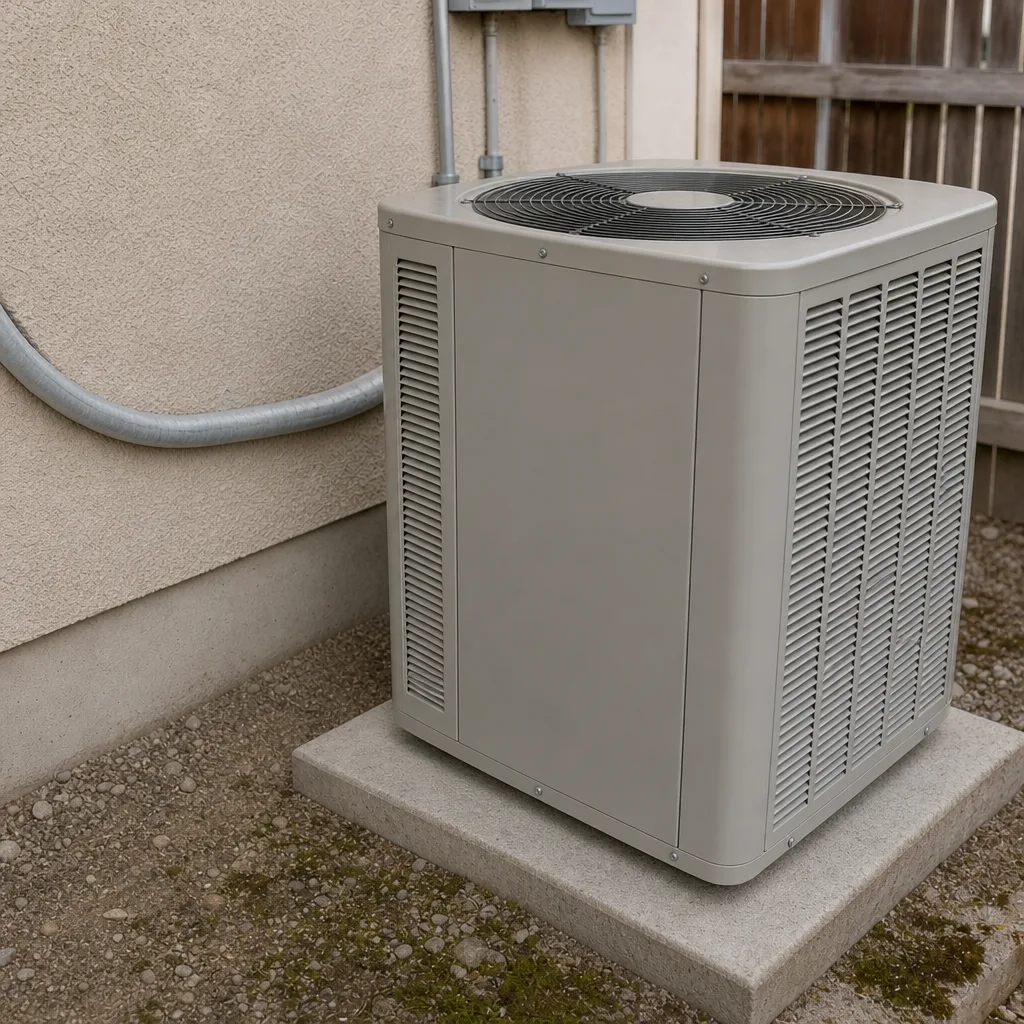
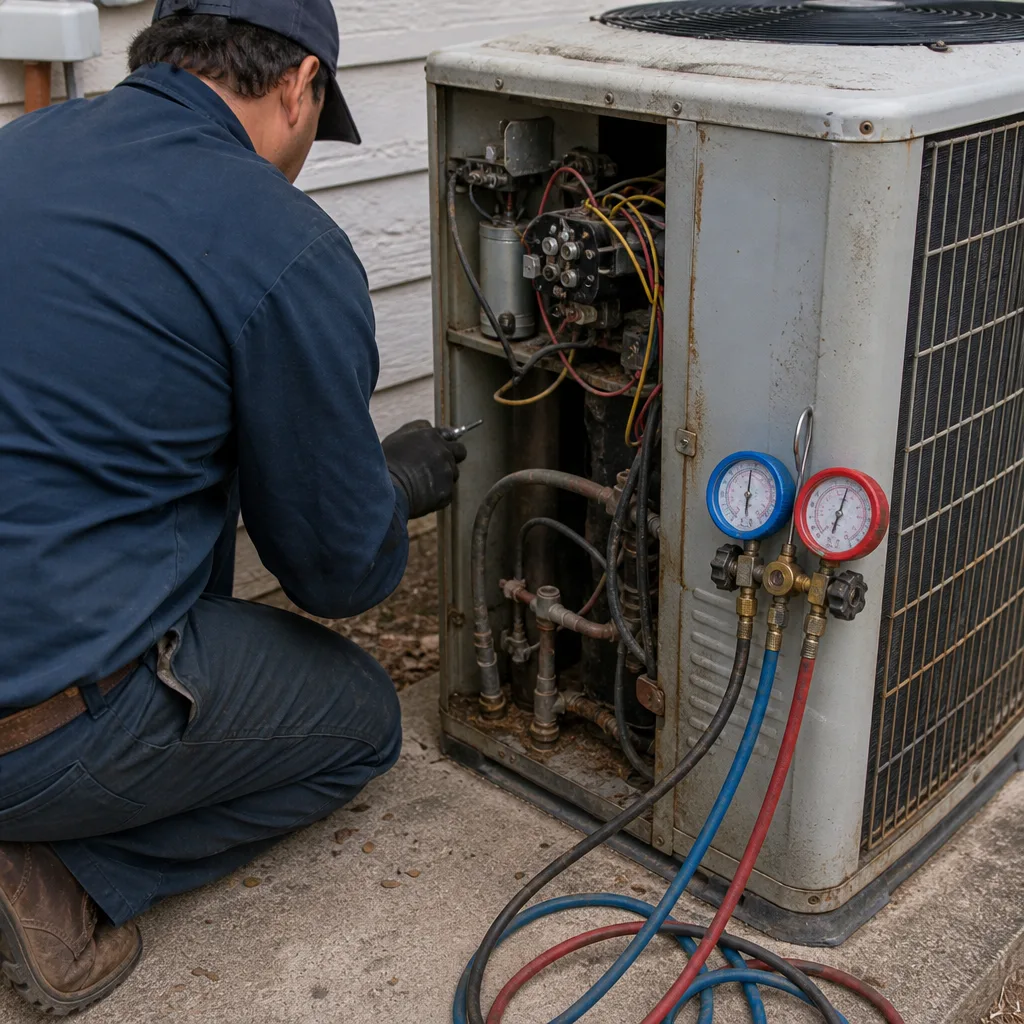
See the difference
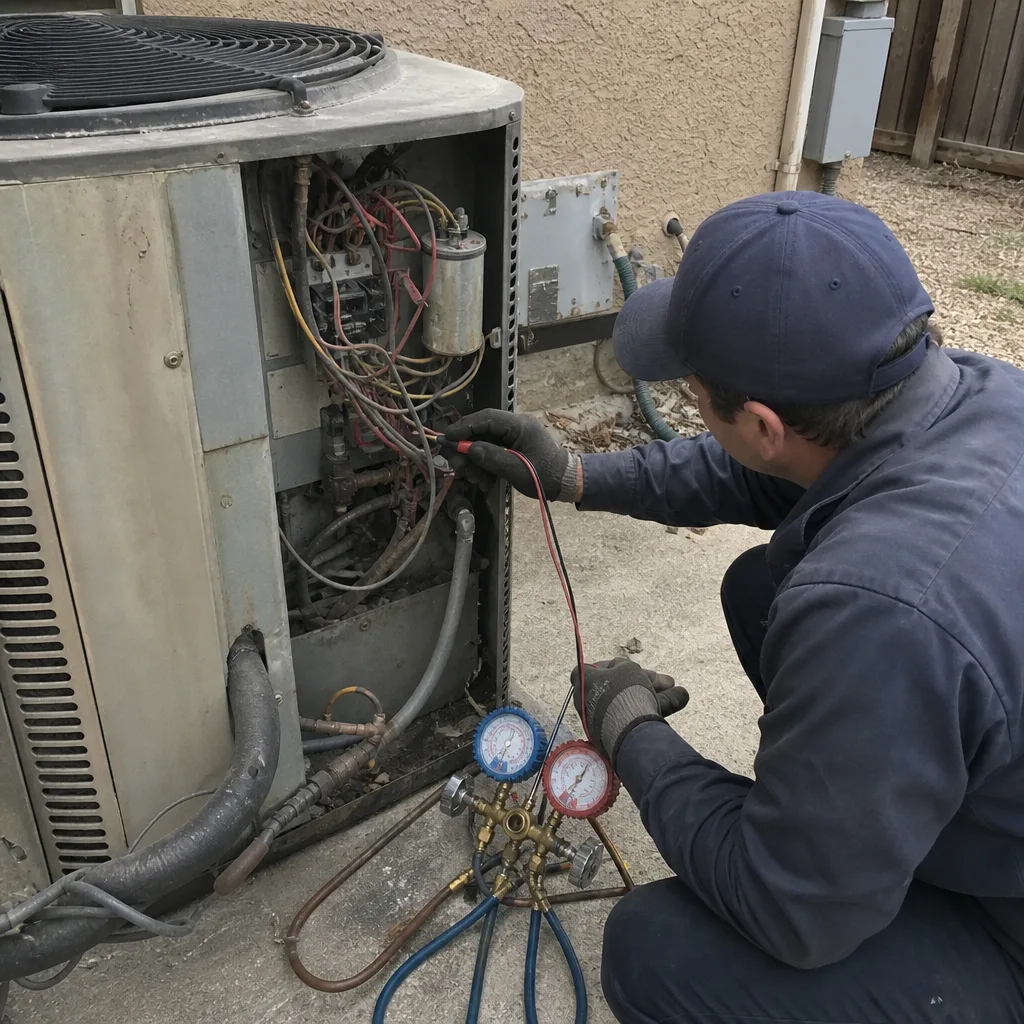 Before
 After
 Before
 After
 Before
 After
What Happens at Sale: The Closing Problem
This is where the whole story usually surfaces. A home goes on the market, the buyer’s home inspector checks the HVAC, finds replacement equipment that isn’t obviously original, and asks for the permit. The seller doesn’t have it. The deal gets complicated. Depending on how the transaction is written, the seller can resolve it one of three ways, and none of them is quick.
- Pull the permit retroactively and open walls for inspection. If the equipment is inaccessible without opening the ceiling or a wall, the inspector can’t verify the install in place. That’s the expensive path.
- Credit the buyer the cost of a full replacement. If the install can’t be verified, the buyer’s lender may require a fresh install before funding. That credit is typically what a full install would cost, not what the missing permit would have cost.
- Reduce the sale price to account for the risk. The buyer’s agent will ask for a concession to cover unknown exposure, and the seller usually accepts it to keep the sale moving.
Any of those outcomes is more expensive than a permit would have been at the time of install. And this is why we tell homeowners in Enterprise to treat the permit as part of the install budget on every replacement, not as an add-on. The permit is the cheap part of the transaction.
How to Hire an HVAC Contractor Who Permits Correctly
Most HVAC contractors in the valley do pull permits when they’re supposed to. Some don’t, usually because it saves the contractor time and money on the install and shifts that cost to the homeowner years later. The way to tell which kind you’re talking to is to ask direct questions before the job is scoped, and to listen closely to the answers.
Ask these questions before you sign anything:
- “Will this job require a permit, and who is pulling it?” A clear, immediate answer tells you they do this routinely. Hedging or “it depends” tells you to ask for someone more specific.
- “Are you licensed with the Nevada State Contractors Board?” Ask for the license number and verify it yourself on the board’s website. A licensed contractor can be held accountable for permit-related issues; an unlicensed one can’t.
- “Will you carry the permit under your license or as an owner-builder?” The permit should be under the contractor’s license, not yours. Owner-builder permits are legal but they shift the responsibility onto the homeowner.
- “What’s the permit and inspection timeline?” A contractor who permits routinely will know roughly how long the county takes to review and inspect in your area. Someone who never pulls permits won’t have a good answer.
- “What happens at inspection, and who’s there?” The installer should be present for the inspection and should handle any corrections. If they’re not planning to be there, that’s a sign they’re not used to inspections.
Our team is trained on nine of the industry’s leading equipment lines, including Carrier, Lennox, Goodman, Rheem, York, Daikin, Bryant, and American Standard, and we pull permits on replacement installs and walk any inspection required in Enterprise. Brand coverage matters here because the permit names a specific model, and we’re set up to handle a substitute if supply shifts mid-install. When you’re ready to scope the work, our team at AC Repair Enterprise can help.
Common Mistakes to Avoid
- Assuming a like-for-like replacement is exempt. A same-tonnage swap on the pad is still an installation and typically requires a permit. The “like-for-like” shortcut applies to repairs, not replacements.
- Trusting the contractor’s word that “we always handle permits.” Ask for the license number and verify it on the Nevada State Contractors Board’s site. Then ask for the permit application copy once it’s filed. If neither materializes, the permit probably wasn’t pulled.
- Skipping the inspection after the install. A permit that was issued but never inspected lapses, and the work ends up in the same state as if no permit was pulled. Confirm the inspection was actually completed and that you have the signed-off record.
- Not saving the inspection paperwork. The final inspection record is what a buyer’s inspector will want to see. If it’s not in your home file when you sell in Enterprise years from now, you’re back to searching the county portal and hoping.
- Installing equipment that doesn’t meet the current energy code minimum. Contractors carrying older stock sometimes propose equipment that no longer meets Nevada’s adopted energy code. Ask for the efficiency rating of the proposed model and compare it to the code minimum.
- Letting the contractor pull the permit under your name as owner-builder. That’s legal but shifts the legal responsibility for the install to you, and the contractor effectively walks away from the code obligation.
- Ignoring permit history on a home you’re buying. A home inspection won’t necessarily catch an unpermitted replacement. A quick search on the county portal can find it before closing.
When to Call a Professional
Some HVAC questions are safe to handle on your own. Permit questions are not. If you’re planning a system replacement in Enterprise and you don’t know whether your job requires a permit, the answer should come from the county or from a licensed contractor who’s willing to put the permit in their name, not from an internet search. The same applies if you’re buying a home and want permit history verified before closing, if a contractor has proposed work and you’re not sure it’s permitted, if your existing system was installed by a previous owner and you can’t find the paperwork, or if a recent install doesn’t feel right and you want a second opinion on whether it was done to code. AC Repair Enterprise offers free estimates in Enterprise. Call (833) 632-6348. We answer 24/7. Fast dispatch from 7am to 7pm, Sunday through Friday.
Frequently Asked Questions
Yes, in nearly all cases. A full HVAC system replacement in Enterprise and the rest of unincorporated Clark County requires a mechanical permit and a final inspection before the work is considered complete. The permit must be pulled before installation begins, not retroactively. Call (833) 632-6348 for a free estimate on a permitted replacement.
No. Routine repair and service on existing equipment typically do not require a permit. Replacing parts on existing equipment, recharging refrigerant, diagnostics, and maintenance service are exempt. Once the equipment itself is being replaced with a new unit, the job crosses into permit territory. If you’re not sure which side your job is on, call (833) 632-6348 and we’ll tell you.
Search your property address in the Clark County Department of Building & Fire Prevention’s online permit portal. Look for mechanical permits on record and check whether the inspection was completed. If a permit was issued but never inspected, the record will show it as open or expired, and the work sits in the same position as if no permit had been pulled. For older homes, contact the county directly if the online record doesn’t cover the year of install.
The current homeowner inherits the problem. Unpermitted work that already exists doesn’t disappear when ownership changes, and it becomes the current owner’s problem at sale or if the work causes a failure. Options include pulling a permit retroactively and opening walls for inspection, replacing the equipment, or negotiating a credit with a buyer. Call (833) 632-6348 for a free estimate on the underlying equipment before deciding what to do.
Yes. Nevada has adopted versions of the International Energy Conservation Code, and Clark County enforces those requirements through the permit and inspection process on new installations and replacements. The proposed equipment has to meet minimum efficiency ratings for its system type and capacity, and duct work included in the scope has to meet sealing and insulation requirements. Ask your contractor for the efficiency rating of the proposed model and confirm it meets the code minimum for your job.
Usually no, if the installing contractor handles the scope correctly. The most common reasons for a re-inspection are a mismatch between the model installed and the model on the permit application, and condensate drainage issues in tight attic spaces. A contractor who permits routinely knows both and rarely gets flagged. Call (833) 632-6348 for a free estimate and we’ll handle the permit and inspection as part of the install.
The Bottom Line
Permits aren’t the glamorous part of an HVAC replacement, which is exactly why they get skipped. The pattern in Enterprise is consistent: the install works fine, the homeowner never thinks about the permit, and years later the buyer’s inspector asks for it. The permit costs less now than the closing problem costs later, and it’s the only thing that makes the contractor’s work legally verifiable. Whether you’re planning a replacement or buying a home with recent HVAC work, the county portal and a licensed contractor with the permit in their name are the two tools that matter. If you want the process handled correctly from the start, call us.
Call (833) 632-6348 for a free estimate. We answer 24/7. Fast dispatch from 7am to 7pm, Sunday through Friday. We work on the brand you already have, whichever of the nine major equipment lines your home carries, and we pull the permit and walk the inspection on every replacement install. Your system, diagnosed correctly, and your paperwork done right the first time in Enterprise.
Written by the team at AC Repair Enterprise.