
Last updated November 15, 2026
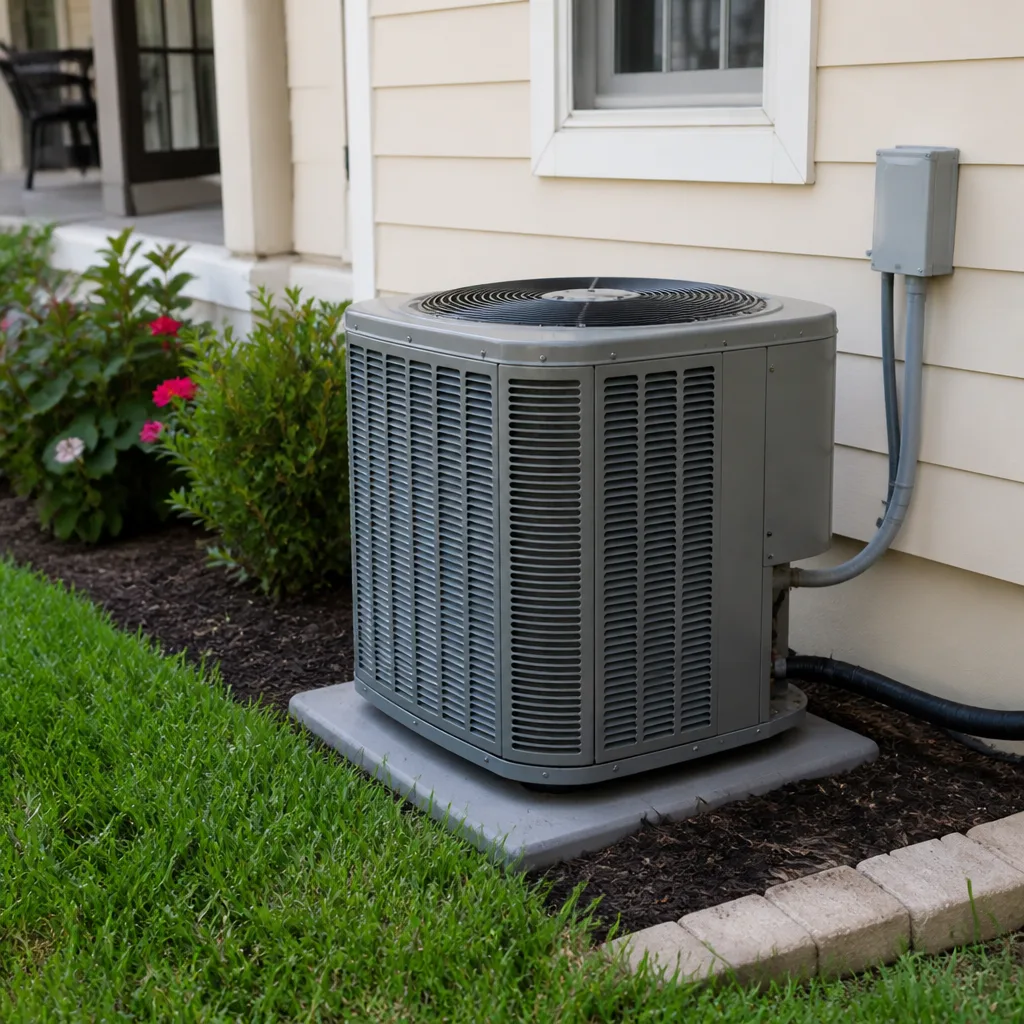 AC repair
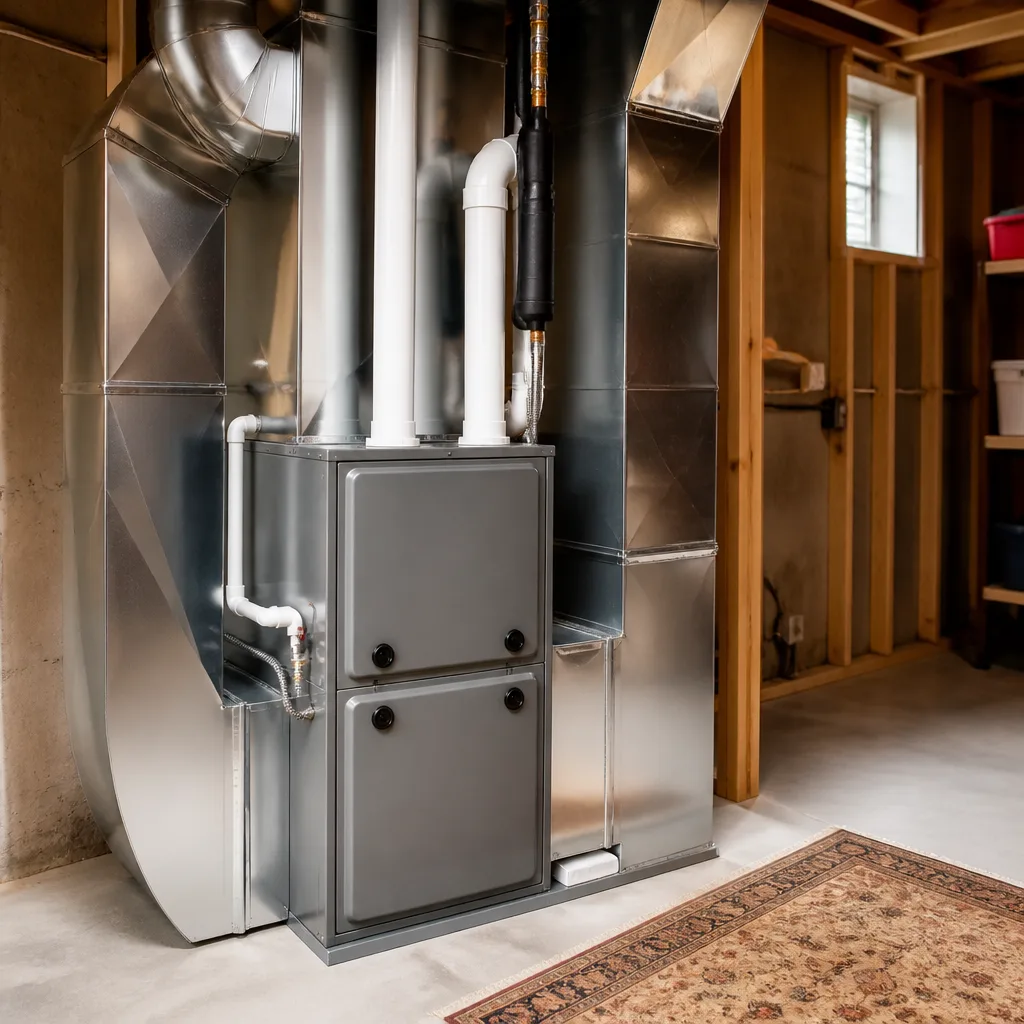 Furnace & heating
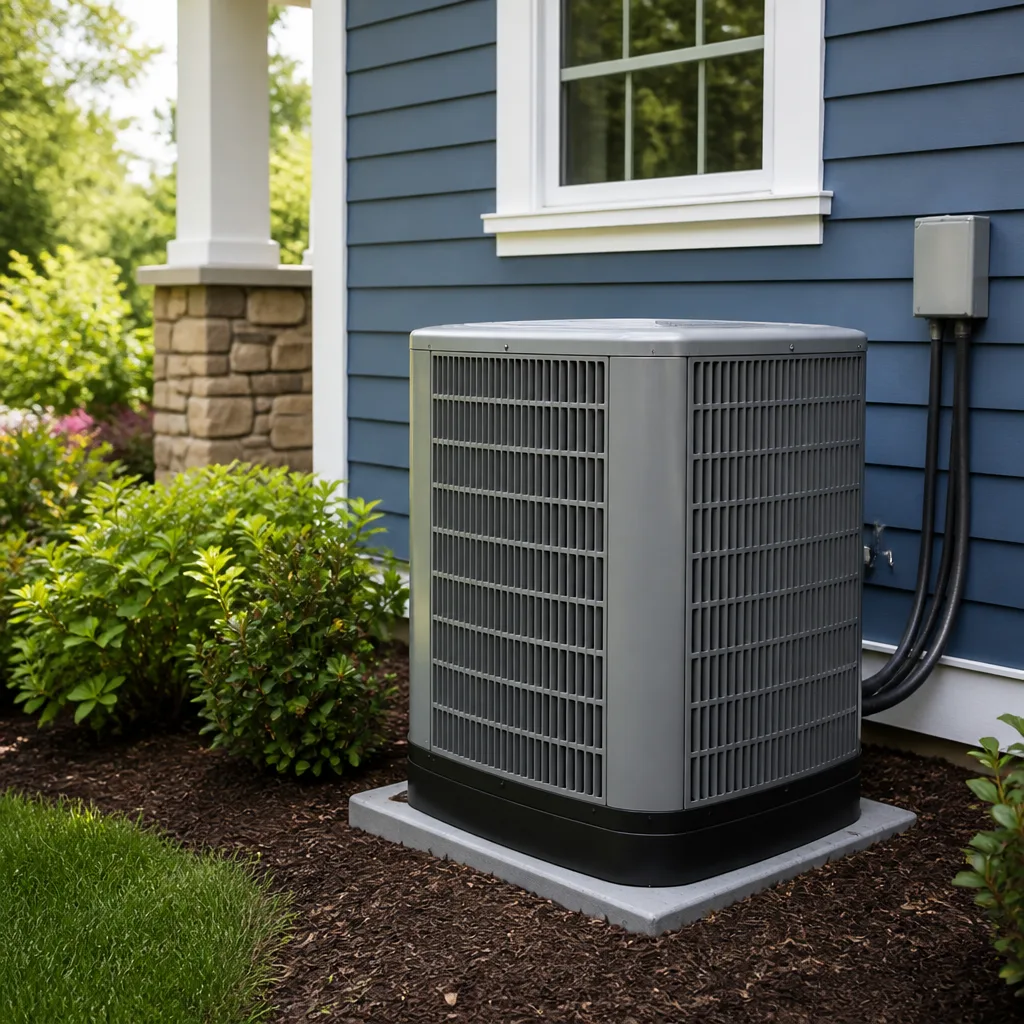 Heat pumps
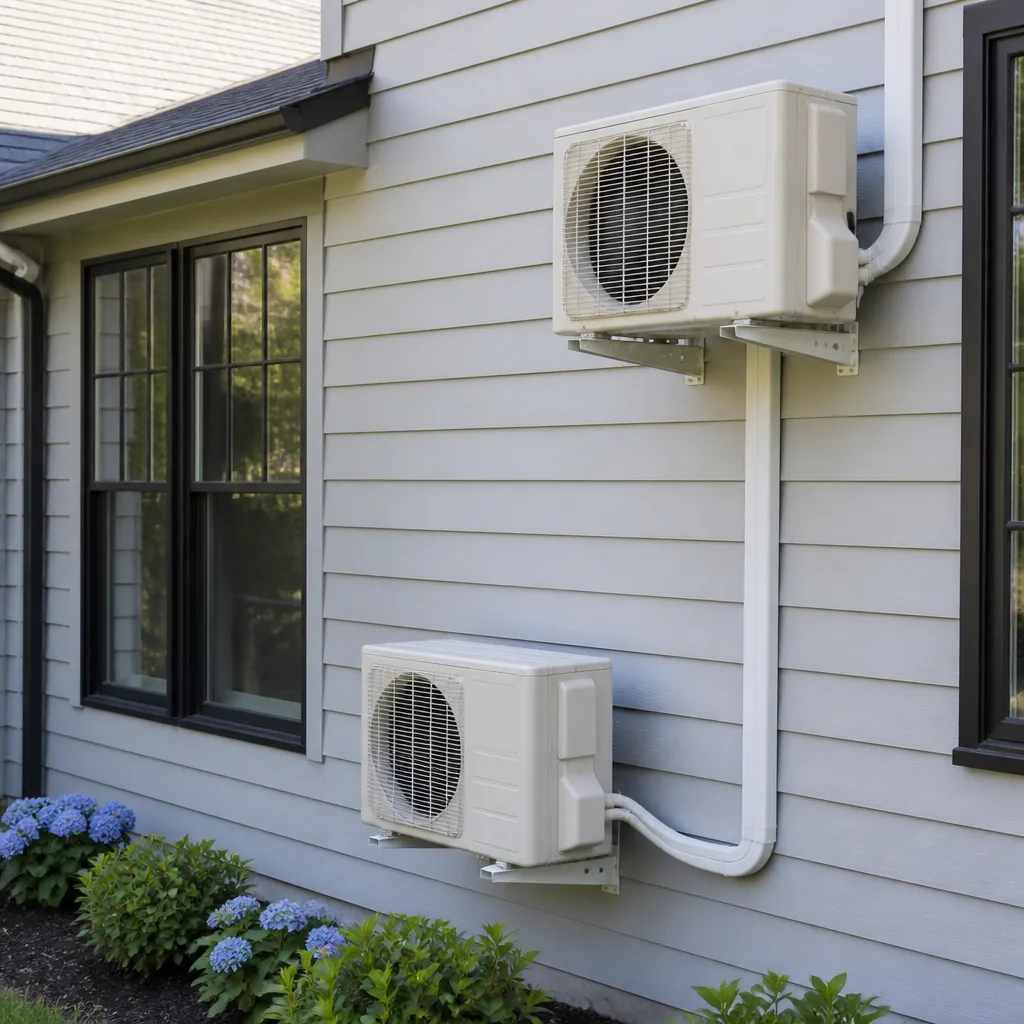 Ductless mini splits
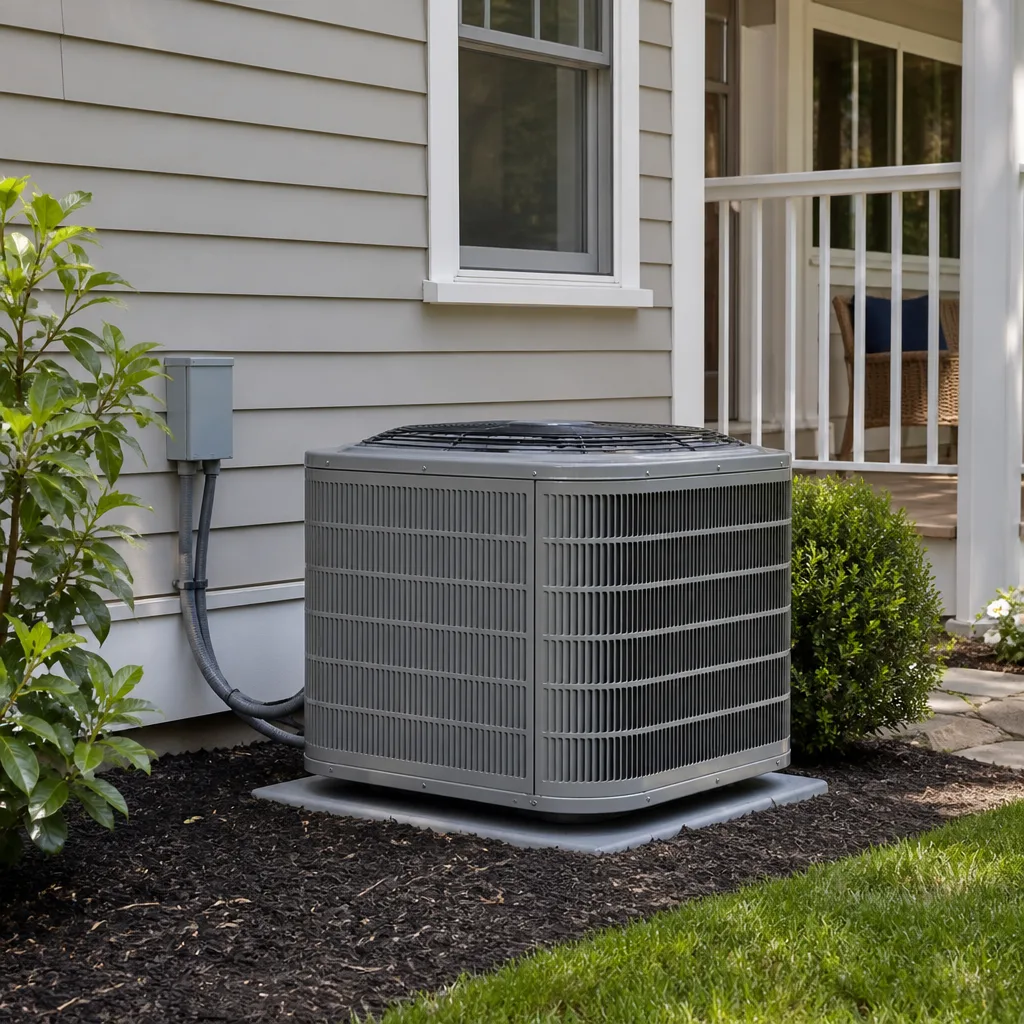 Carrier
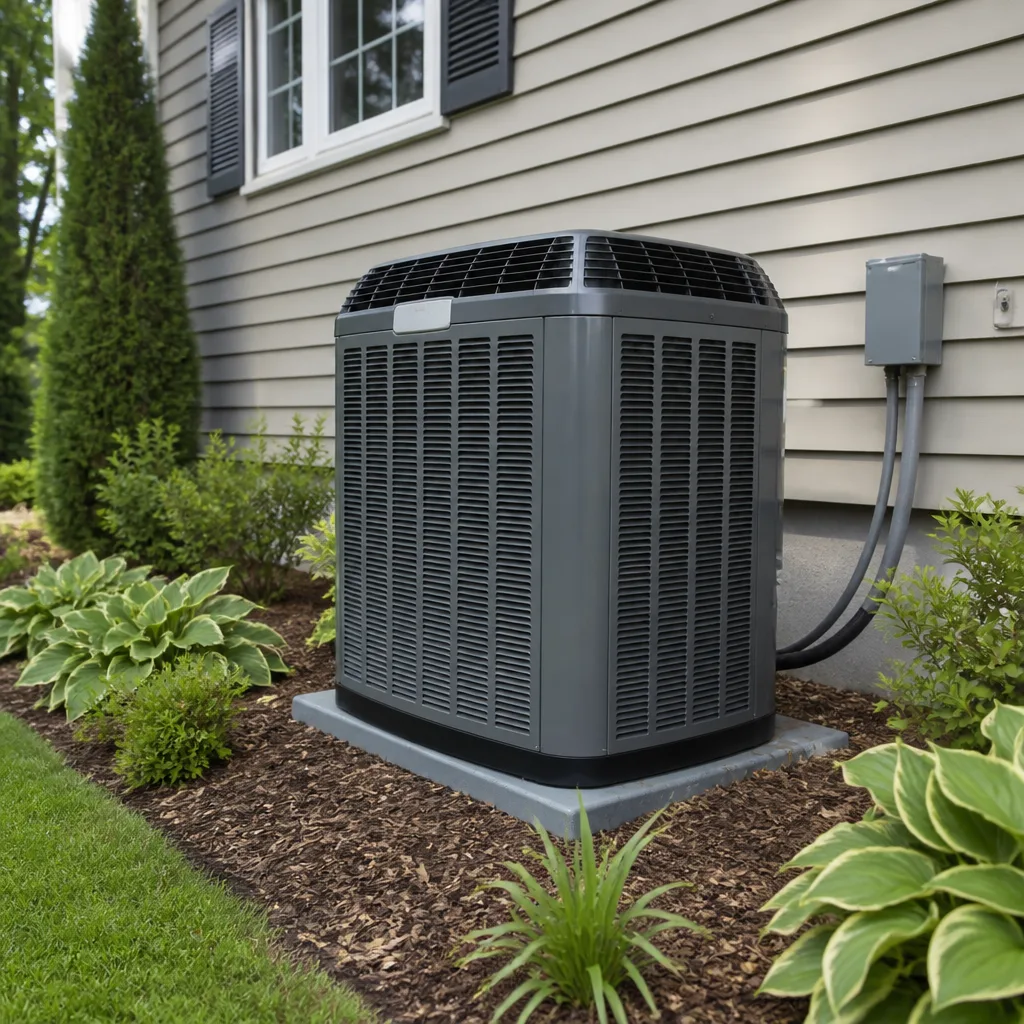 Trane
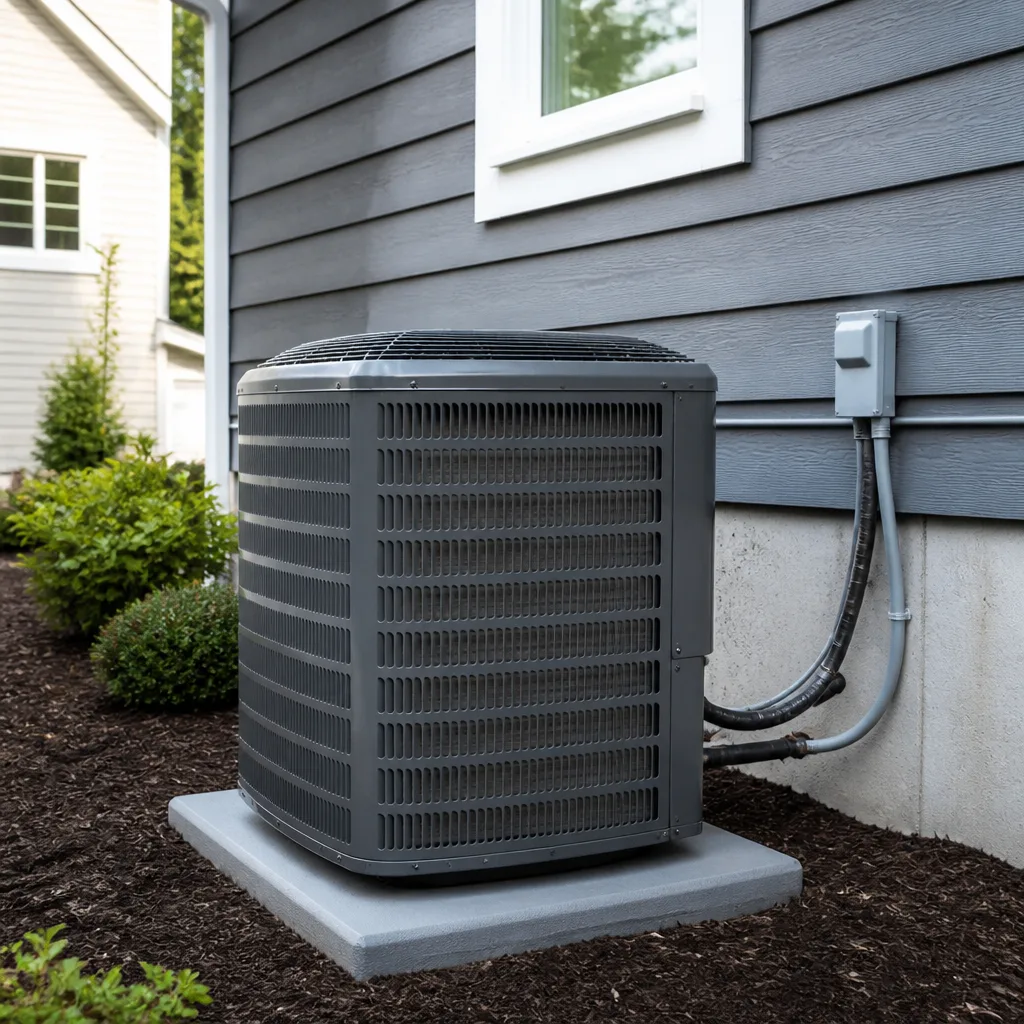 Goodman
Seasonal tune-up and full diagnostic on your Carrier, Trane, or Goodman system - readings shown to you before any repair is proposed
Diagnosis first, numbers second - you approve the repair price before a single part goes in.
Get your free estimateHVAC Emergency Preparedness Guide for Enterprise Homes
Most homeowners think the dangerous part of an AC failure is the discomfort. It isn’t. The dangerous part is the clock. When a central system quits at 2 PM on a 112°F day in Enterprise, a standard-insulated home can climb toward 95°F indoors within about four hours, and the people most at risk, elderly adults, young children and pets, don’t always show obvious signs until the heat has already done damage. What follows is what to do in that window, what to stage before summer arrives, and how the cooling equipment in your home actually behaves when it starts to fail. You’ll get a clear protocol you can follow the moment the air stops, plus the preparation that makes the next failure survivable instead of scary.
Quick Answer
If your AC fails during an Enterprise heat event, act in the first 30 minutes: close blinds and exterior doors, move everyone into the coolest interior room, apply cool wet cloths to wrists and necks, give water frequently, and check on elderly neighbors. Call (833) 632-6348 to get on the dispatch list immediately, then work on defensive cooling while you wait. Our technicians have up to 12 years of experience, and we answer 24/7 with fast dispatch from 7am to 7pm. The single most important preparation is a pre-season kit: a correctly sized window unit for one safe room, portable fans, and a frozen water bottle routine staged before June.
Styles & brands we work with
- AC repair
- Furnace & heating
- Heat pumps
- Ductless mini splits
- Carrier
- Trane
- Goodman
Table of Contents
- How Fast Does a Home Get Dangerous Without AC in Enterprise?
- The First 30 Minutes of an AC Failure
- Partial Failures: What You Can and Cannot Safely Do
- The Pre-Season Emergency Kit for Enterprise Homes
- How to Get Accurate Same-Day Service Information
- When to Call a Professional
- Common Mistakes to Avoid
- Frequently Asked Questions
How Fast Does a Home Get Dangerous Without AC in Enterprise?
A standard-insulated Enterprise home with the AC off on a 112°F afternoon will heat toward the mid-90s indoors within roughly four hours. That’s the actual window you’re working with, and it’s shorter than most people expect. The CDC treats indoor temperatures above 90°F as a health risk for elderly adults and anyone with cardiovascular or respiratory conditions, and above 100°F, the risk climbs for healthy adults too. Pets are affected at similar thresholds; flat-faced breeds and animals left in warm rooms can go into distress well before a human in the same room feels uncomfortable.
Three factors make Enterprise different from cooler climates:
- Overnight heat: Desert nights don’t always drop enough to let a house recover. Without mechanical cooling, indoor temperature can remain elevated until the system comes back online.
- Building mass: Stucco and masonry walls hold heat. Once a home is heat-soaked, it takes a working system hours to pull the temperature back down, which is why early action matters more here than in cooler places.
- Occupancy patterns: Many Enterprise residents are home during the day. The vehicle-as-cooling-center option that works for some people isn’t practical for everyone, so the home itself has to carry the load.
What this means for you: the clock is the emergency, not just the broken part. Getting on a service list early, even before you know exactly what’s wrong, buys you options. Call us at (833) 632-6348 and tell the dispatcher you have a no-cooling situation in Enterprise. We answer 24/7, and we’ll give you honest guidance on timing.
The First 30 Minutes of an AC Failure
Do these things in order before you make any service call. The order matters: cooling the house and getting people safe takes precedence over diagnosing the equipment.
- Close it up. Shut every exterior door and window, and close blinds and curtains on sun-facing sides. This alone can slow heat gain noticeably.
- Move people to the coolest room. Walk the house and find the room with the least sun exposure, usually an interior bathroom or a north-facing bedroom. That room becomes the safe room until the system is restored.
- Apply cool water externally. Wet washcloths on the back of the neck, wrists, and forehead are the fastest way to cool a person. Drape wet towels over pets’ paws and bellies, never submerge an animal in ice water.
- Hydrate on a schedule. Give everyone water whether they feel thirsty. For elderly adults, thirst signals are unreliable.
- Check on elderly neighbors and anyone with health conditions. A quick call or knock takes two minutes and is the single most useful community action during a heat event in Enterprise.
- Turn off the thermostat and the system at the breaker if you smell burning or hear grinding. If the failure was silent, leave the thermostat set as it was so a technician can see what happened.
- Call for service. Dial (833) 632-6348 and describe the symptom in one sentence: blowing warm air, no air at all, tripped breaker, or water on the floor. That one-sentence description is what dispatchers use to prioritize.
Once those seven steps are done, you’ve bought yourself the most valuable resource in a heat event: time. Everything else is secondary.
Partial Failures: What You Can and Cannot Safely Do
Many AC failures aren’t total. The system runs but cools weakly, or one zone loses air while another stays cool, or the unit short-cycles every 20 minutes. These partial failures are common in Enterprise because a system that isn’t maintaining temperature is often telling you something specific: low refrigerant, a failing capacitor, a dirty condenser coil, or a compressor on its way out.
What you can safely do:
- Change the air filter if it’s visibly clogged. A restricted filter can cause weak cooling and short cycling. This is the one repair most homeowners can do without tools.
- Clear the outdoor condenser unit of debris and confirm nothing is blocking airflow around it. Give it at least two feet of clearance on all sides.
- Run the fan in “on” mode instead of “auto” during a partial failure. This circulates air continuously and can make a warm room more tolerable while you wait, though it does not cool the air.
- Close registers in rooms you aren’t using to send more conditioned air to occupied spaces.
- Set the thermostat higher than usual, around 80°F, to reduce the load on a struggling system. Running a failing compressor hard can take a repair and turn it into a replacement.
What you cannot safely do:
- Add refrigerant yourself. Refrigerant systems operate under high pressure and require recovery equipment and licensing. This is not a homeowner task.
- Bypass a tripped breaker or replace a fuse with a higher-rated one. A breaker that trips repeatedly during AC season is a symptom, and the electrical panel is genuinely dangerous territory.
- Open the outdoor unit to inspect the compressor or electrical components. The capacitor holds a charge after power is off.
Repair-first is how we approach every call. Our technicians work on the brand you already have, including Daikin, Bryant, and Carrier systems, and they assess whether a repair is viable before anyone talks about replacement. Nine brands, one call: we work on the equipment in your home, not a generic substitute.
The Pre-Season Emergency Kit for Enterprise Homes
A heat emergency is survivable when you prepare in May and miserable when you start in July. This is the kit we recommend every Enterprise household stage before June.
The safe room
Choose one interior room, ideally on the ground floor with no exterior walls to sun. Size a window unit for that room specifically:
- A 150-square-foot bedroom needs roughly 5,000 BTUs.
- A 250-square-foot room needs roughly 6,000 to 8,000 BTUs.
- A 350-square-foot room needs roughly 8,000 to 10,000 BTUs.
Buy the unit in spring, not when you need it. Test it in May and confirm the window or wall opening in the safe room accepts it. A window unit that doesn’t fit is not a plan.
Air movement and cooling
- Two portable fans per occupied room. One pulling air in, one pushing it out, gives you cross-ventilation even on a still day.
- A box fan for the safe room doorway to move cool air from the window unit toward the rest of the family.
- Cooling towels or a stack of dedicated washcloths kept in the freezer.
The frozen water bottle protocol
Freeze a dozen water bottles on a rotating schedule so you always have some ready. During a failure, wrap a frozen bottle in a thin towel and hold it against pulse points: neck, wrists, inner elbows. Rotate bottles back to the freezer as they thaw. This is a simple routine that gives everyone, including pets, a passive cooling method that works even without power to a fan.
Equipment and contacts
- A charged power bank for phones.
- A written list with your HVAC service number at the top: (833) 632-6348. Add a neighbor’s number and the local senior-services line.
- A printed one-page household health summary listing medications and conditions, useful if you need to call for help.
Ready to put together your kit? That’s not a service we offer, but the thermostat and system checks that go with it are. Our AC Repair Enterprise team handles pre-season inspections and honest repair assessments. Free estimates, and the price is set per job by the written estimate.
How to Get Accurate Same-Day Service Information
During a July heat event, dispatch queues fill fast, and that’s when bad communication hurts most. You can protect your position by knowing what to say and what to ask. When you call (833) 632-6348, we answer 24/7 and dispatch runs 7am to 7pm, Sunday through Friday. A call outside dispatch hours is booked into the next opening.
What to say in the first 30 seconds:
- Your service address and that you’re in Enterprise.
- The one-sentence symptom: “No cooling at all,” “blowing warm air but running,” or “tripped the breaker twice.”
- Whether there are elderly adults, infants, or pets in the home. This changes the priority.
- Whether you’ve already checked the filter, breaker, and outdoor unit.
What to ask before you hang up:
- “Is anyone available today, and what’s the realistic arrival window?” Ask for a window, not a promise.
- “Will the technician call before arriving?” Confirm so you know whether to keep your phone at hand.
- “Is the diagnostic visit free?” with us, the estimate is free and the price is set per job by the written estimate.
What you should not do is call three companies and expect to compare arrival times under heat-stress conditions. Pick one and get on the list. Queue position matters more than fifty dollars of price variance you won’t be able to confirm until after the fact. If you want more context on how repair jobs are scoped, read our AC repair page before the day you need it.
See the difference
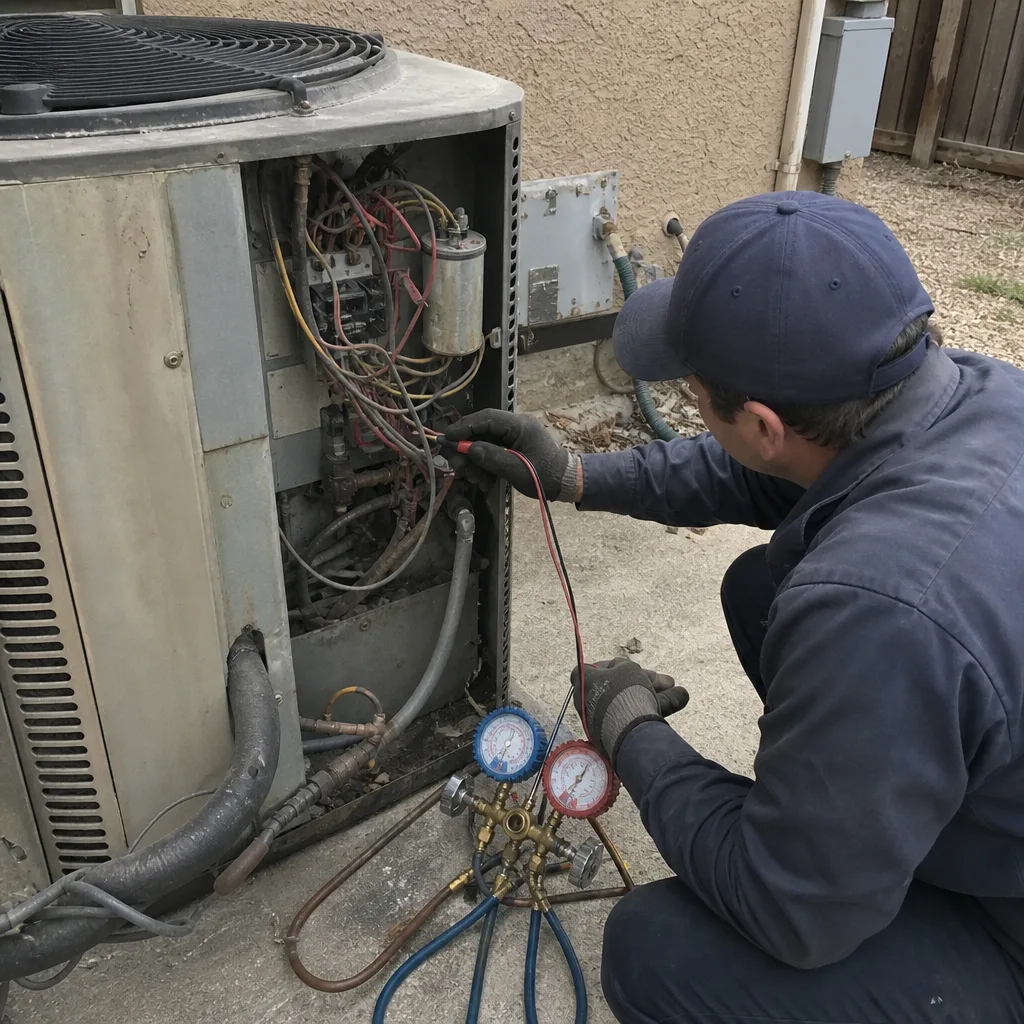 Before
 After
 Before
 After
 Before
 After
How Do You Know When a Repair Isn’t Enough?
When the compressor is failed on an aging system, or when the repair costs start to approach half the cost of a new unit, replacement is the honest answer, and we’ll tell you so rather than attempt a fix that won’t last. That said, the decision deserves a real conversation, not a panic purchase in the middle of a heat wave.
What we look at when advising repair versus replacement:
- Age of the equipment: Most central systems have a design life of 12 to 15 years. Beyond that, repair becomes a bet against a system already at the end of its expected life.
- Repair frequency: Three repairs in two summers is a pattern, not bad luck.
- Efficiency: A system that runs constantly and still can’t hold temperature is losing efficiency, and that shows up on the bill every month.
- Refrigerant type: Older refrigerant is increasingly expensive when a system needs a charge.
When replacement is the answer, that’s not an emergency call, it’s a scheduled one. Replacement is load-calculated, ordered, and installed on a set date, with no same-day promises attached. We prepare a written fixed price and a firm install date before anyone signs. If you’re weighing this decision now, our AC installation team can walk through the options without steering you to a particular brand, since we service nine: Carrier, Trane, Lennox, Goodman, Rheem, York, Daikin, Bryant, and American Standard.
When to Call a Professional
Call a professional when the AC is not cooling, when the system trips the breaker more than once, when you see ice on the indoor coil or the refrigerant lines, or when the outdoor unit runs but blows only warm air. Call immediately if there are elderly adults, children, or pets in the home, and treat any of these symptoms as urgent during a heat event in Enterprise. Do not attempt refrigerant work, electrical diagnosis, or compressor access yourself, because those components are genuinely dangerous and a failed attempt can make the repair more expensive.
AC Repair Enterprise offers free estimates in Enterprise. You can reach us at (833) 632-6348. We answer 24/7, and our dispatch runs 7am to 7pm, Sunday through Friday. Honest diagnostics, repair-first recommendations, and the price set per job by the written estimate.
Common Mistakes to Avoid
- Waiting for the system to “catch up.” An AC that runs for an hour without lowering the temperature isn’t catching up, it’s telling you something is wrong. Waiting takes a $200 repair and turns it into a larger one, and in Enterprise heat, it also takes a tolerable house and turns it into a dangerous one.
- Closing every register to “save energy.” Shutting most registers in an Enterprise home can raise system pressure and reduce efficiency. Close only the rooms you’re genuinely not using.
- Adding refrigerant yourself. Home refrigerant kits are sold, and they cause real damage. Systems need the correct charge by weight, verified with gauges, and a professional is the only safe option.
- Ignoring the pre-season window. April and May are when you can schedule a checkup without a queue. Waiting until the first 110°F day means competing with everyone else in Enterprise for the same appointment slots.
- Buying a replacement in an emergency. If a tech tells you on a 112°F afternoon that you need a new system, ask for a written estimate and a day to consider it, unless the repair genuinely isn’t safe. Replacement is a scheduled decision, and pressure from heat is the worst advisor you can have.
- Skipping the safe-room plan. Most homeowners have a fan somewhere and no plan. The difference between a fan and a plan is a window unit that actually fits the room and a frozen bottle routine everyone knows.
- Calling three companies during a heat event. Every call burns minutes you could spend cooling down. Pick a company, describe the symptom clearly, answer their questions, and let them get you on the schedule. Comparing three estimates on the same afternoon helps nobody and can leave you at the bottom of three queues.
Frequently Asked Questions
Availability depends on the day and the number of calls already on the board, and we won’t promise a same-day arrival we can’t keep. Call (833) 632-6348, tell us the symptom and who’s in the home, and we’ll give you the earliest real arrival window. We answer 24/7, and dispatch runs 7am to 7pm, Sunday through Friday. If you’re calling outside those hours, you’ll be booked into the next opening.
Close the house up, move everyone into the coolest interior room, and call for service immediately. Cool the people before you diagnose the equipment: wet cloths on necks and wrists, water on a schedule, and a frozen bottle wrapped in a towel on the wrists. Once you’ve done that, describe the symptom to the dispatcher and get on the list.
Yes, but with limits. Set the thermostat higher, keep the filter clean, and check the outdoor unit for airflow. Stop running it if the breaker trips, the unit makes grinding or humming noises, or you see ice on the lines. Running a failing compressor under stress can turn a repair into a replacement. Call us at (833) 632-6348 and describe the symptom so we can advise on whether to keep it running or shut it off.
The core items are a correctly sized window unit for one safe room, two portable fans, and a rotating stock of frozen water bottles. Add a charged power bank and a written contact list with our number, (833) 632-6348, at the top. Size the window unit to the safe room: about 5,000 BTUs for 150 square feet, about 8,000 for 250 square feet.
We’re certified on nine of the leading brands: Carrier, Trane, Lennox, Goodman, Rheem, York, Daikin, Bryant, and American Standard. That means a technician diagnoses the actual equipment in your home rather than a generic substitute. Nine brands, one call. The recommendation follows your system and your budget, not a preferred product line.
Repair first, unless a safety concern or a failed compressor makes replacement the right answer, which we’ll tell you directly and in writing. Emergency heat is the worst time to make a large purchase under pressure. Ask for a written estimate on both options and take a day to think. If replacement is the answer, it’s scheduled, not same-day: load-calculated, ordered, and installed on a firm date with a written fixed price. Our Enterprise service team can lay out both paths and let you choose.
The Bottom Line
An AC failure in Enterprise is a heat emergency first and a repair job second. The four-hour window before a home gets dangerously hot is the fact that changes how you prepare. Build a safe-room kit in May, know the first-30-minutes protocol, don’t touch refrigerant or electrical components, and call for service with a clear one-sentence symptom so you get the right help fast. Heating and cooling, start to finish: we work on the brand you already have, diagnose it correctly, and give you the honest repair-or-replace answer. Our technicians have up to 12 years of experience.
When the air stops, call AC Repair Enterprise at (833) 632-6348 for a free estimate. We answer 24/7. Fast dispatch from 7am to 7pm, Sunday through Friday.
Written by the team at AC Repair Enterprise.