
Last updated November 15, 2026
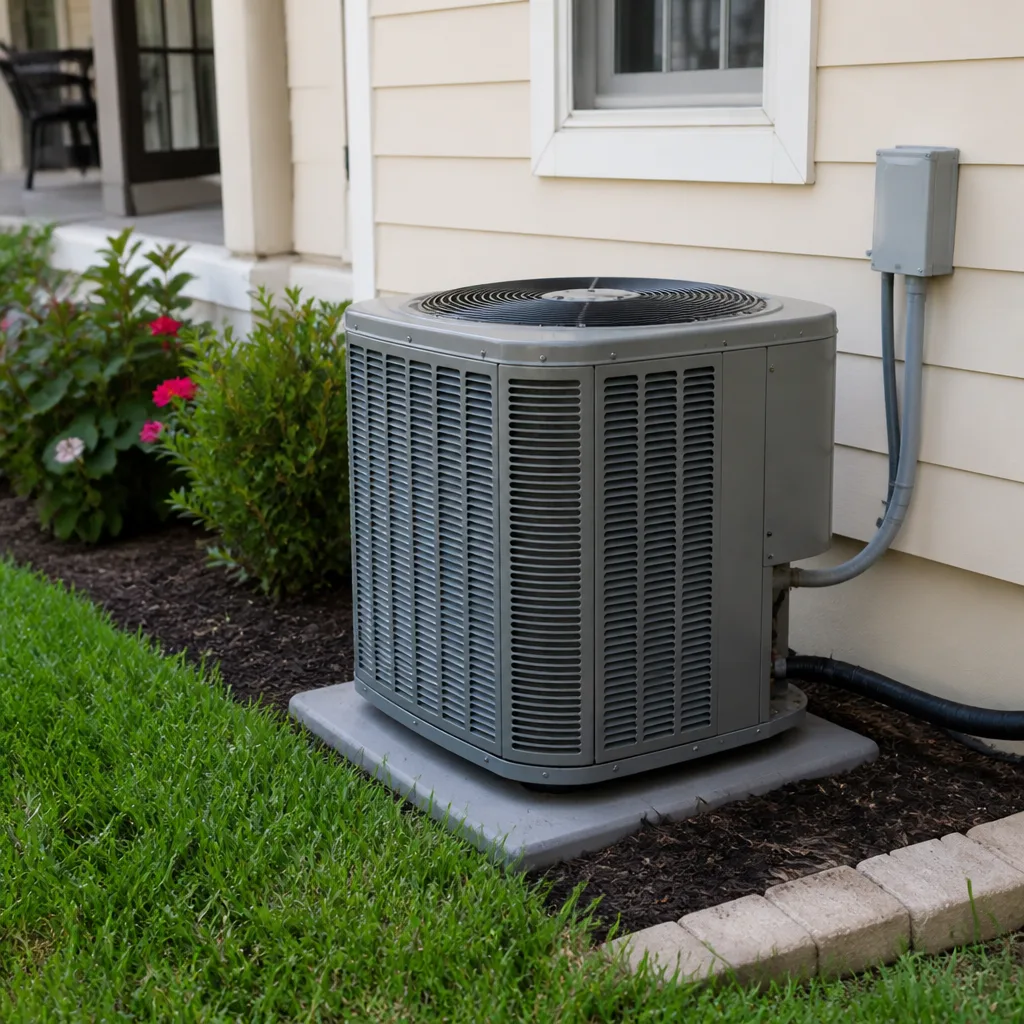 AC repair
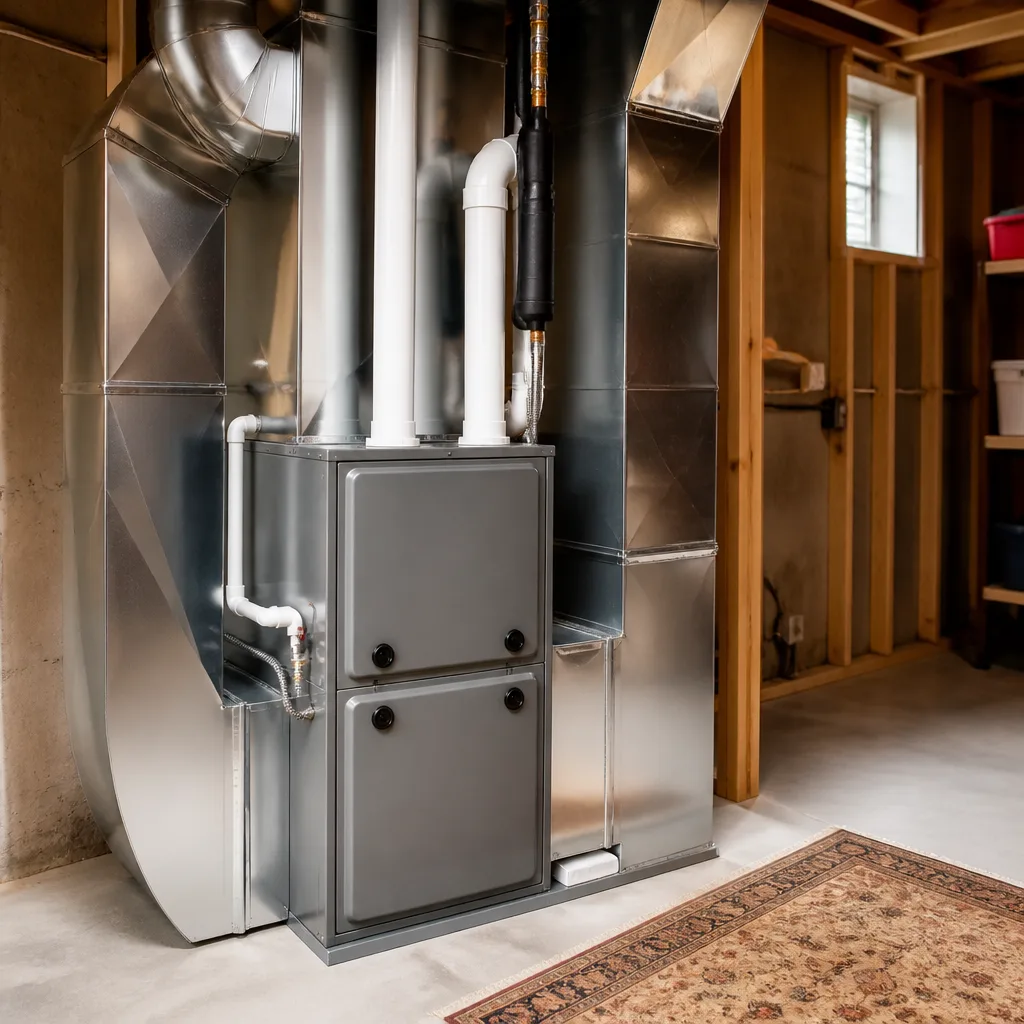 Furnace & heating
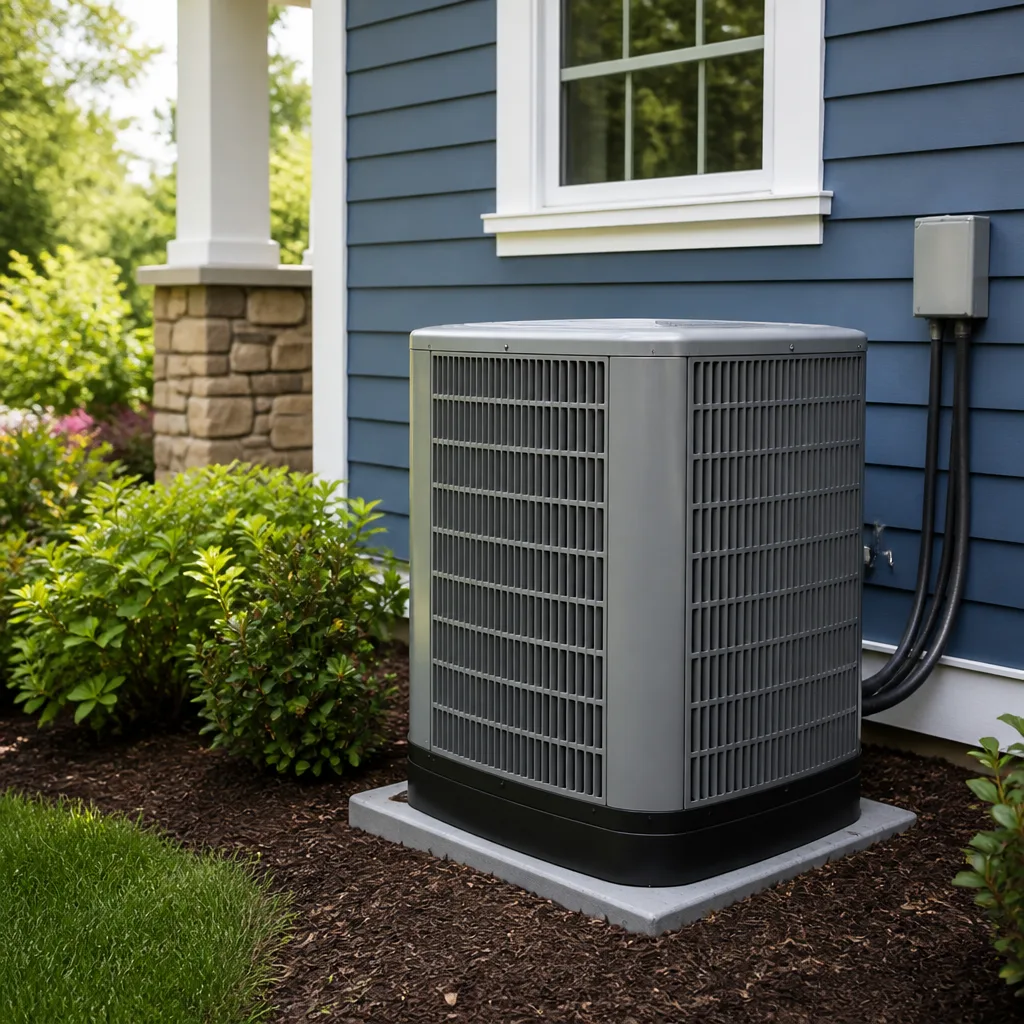 Heat pumps
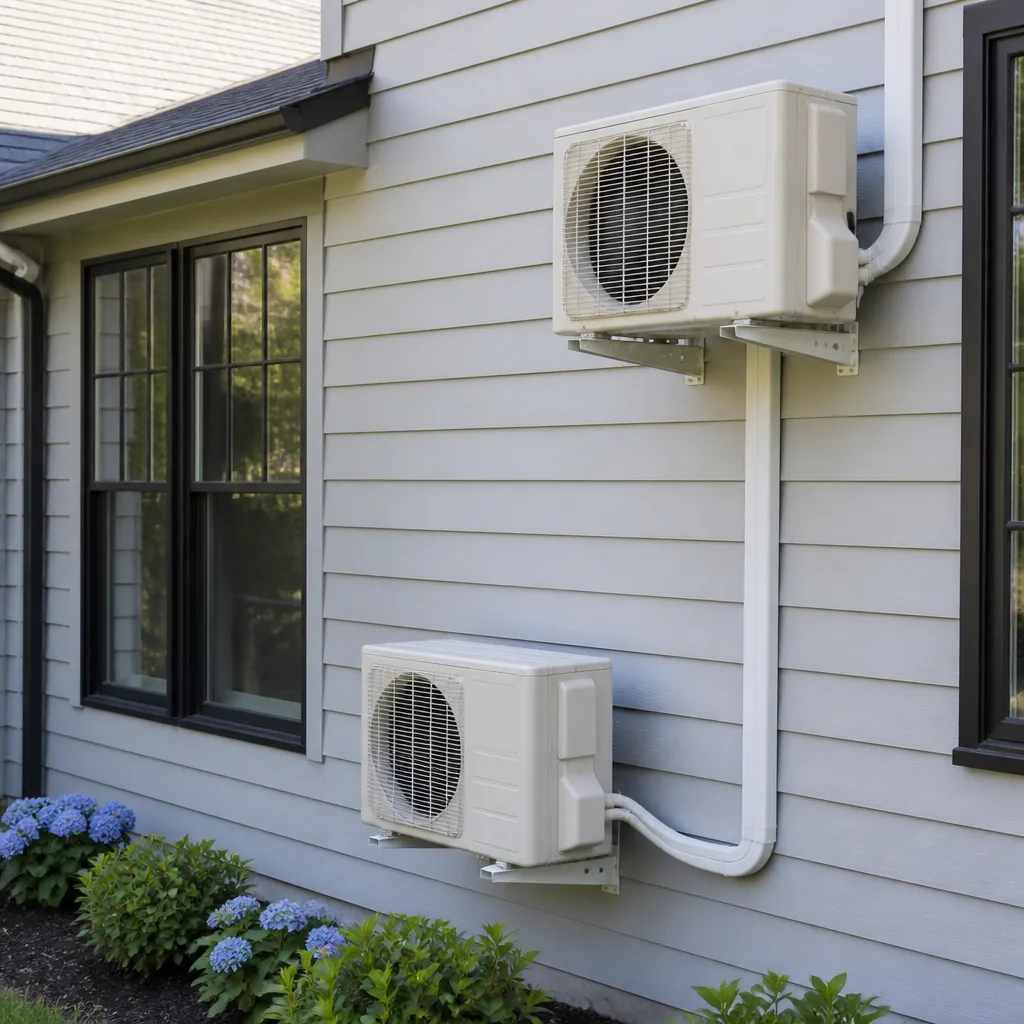 Ductless mini splits
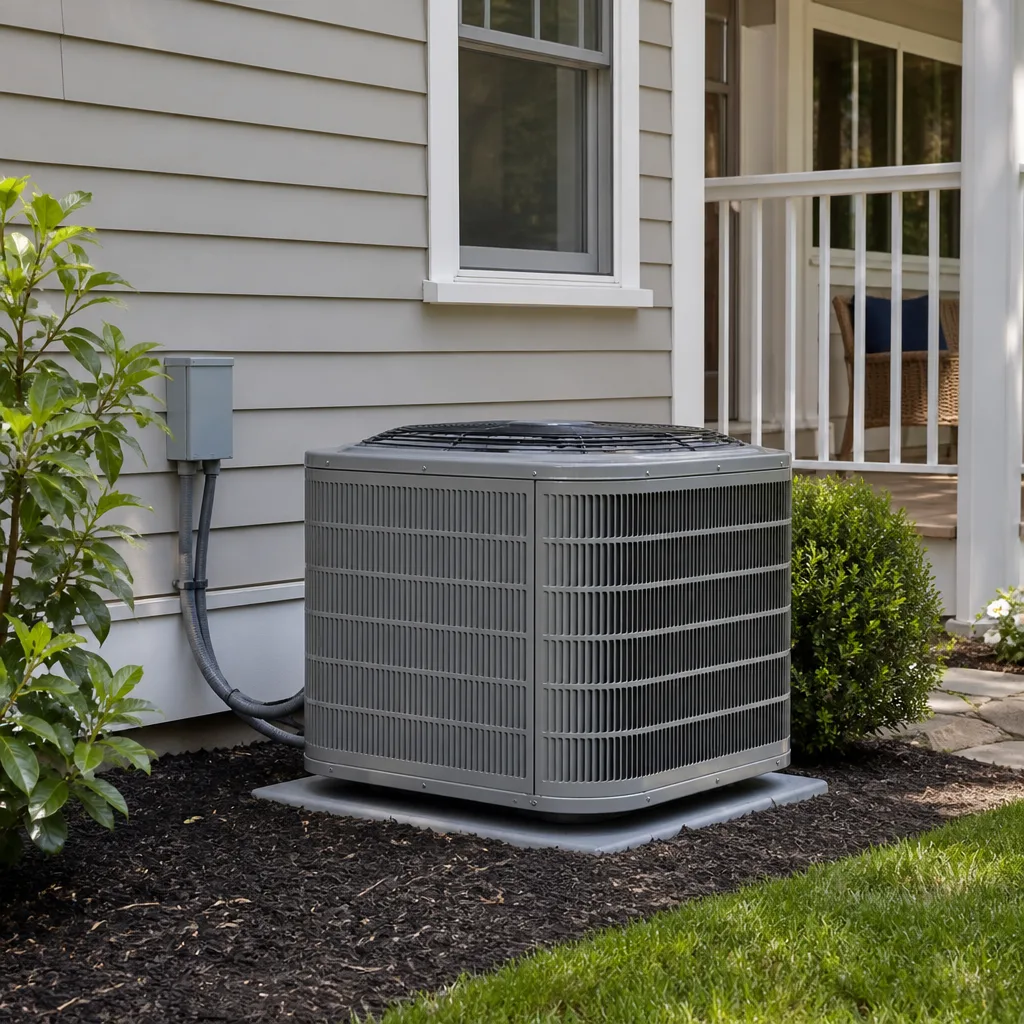 Carrier
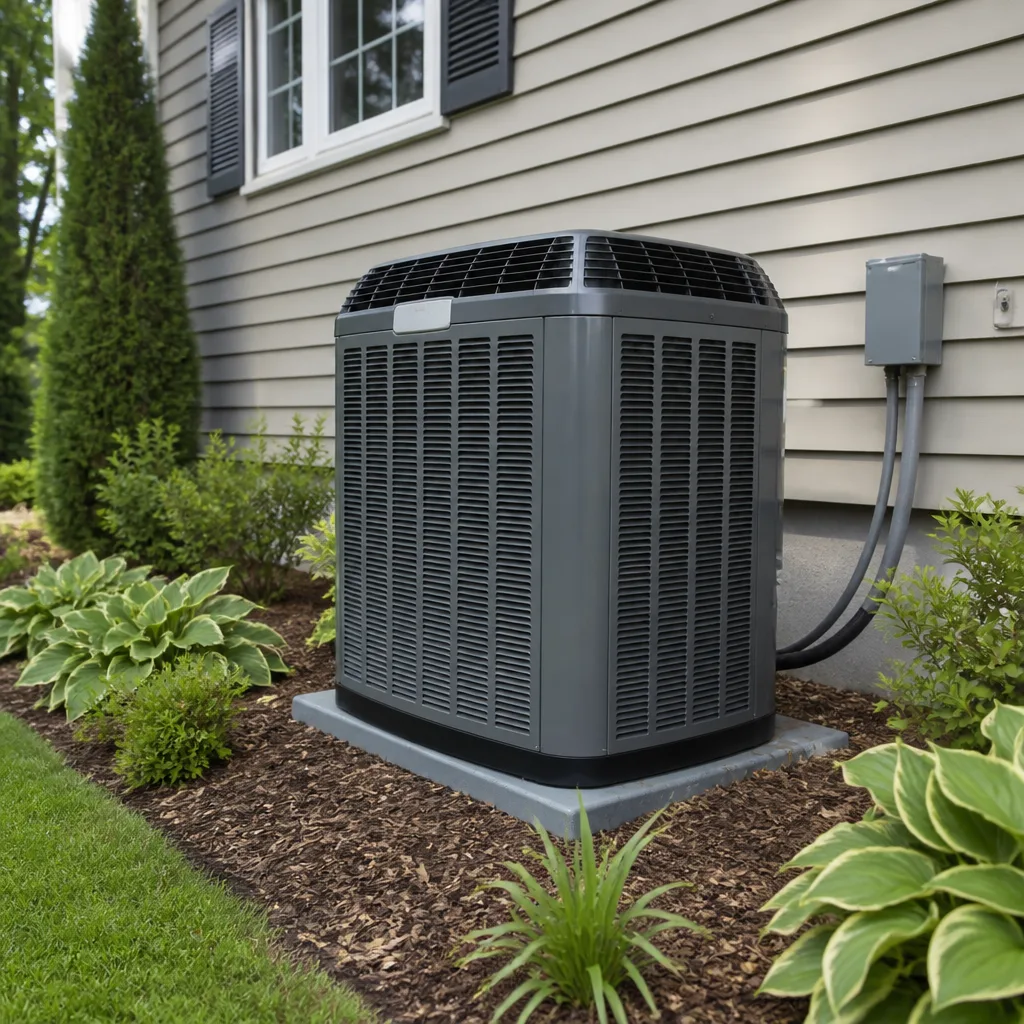 Trane
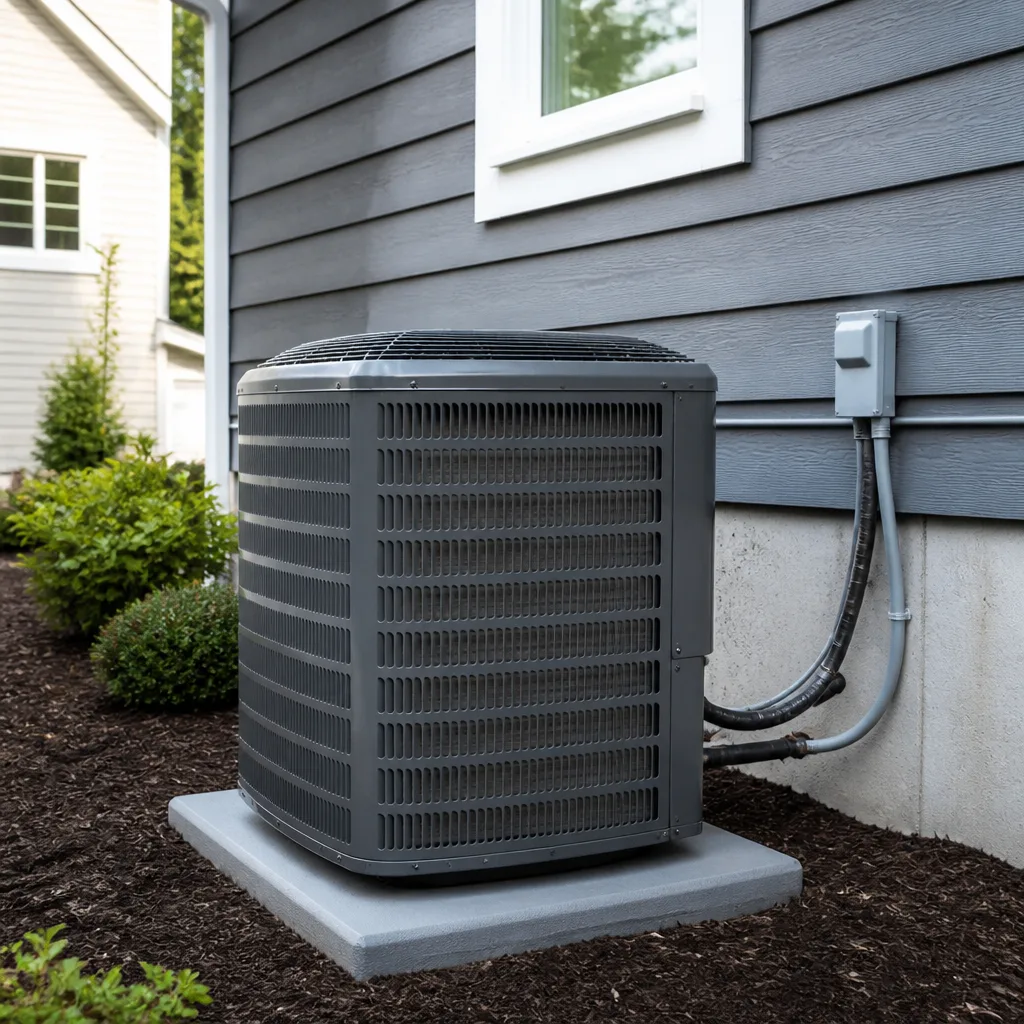 Goodman
Seasonal tune-up and full diagnostic on your Carrier, Trane, or Goodman system - readings shown to you before any repair is proposed
Diagnosis first, numbers second - you approve the repair price before a single part goes in.
Get your free estimateSeasonal HVAC Care for Enterprise: Year-Round Homeowner’s Guide
Most HVAC maintenance advice assumes four seasons. Enterprise doesn’t have four seasons. It has a long cooling grind, two short shoulder windows, and a heating season that shows up late and leaves early. That means the calendar most homeowners follow, the one printed on the filter box and repeated on every home-maintenance site, is roughly two months out of step with the equipment sitting in their backyard. In this guide we’ll map the actual Enterprise HVAC year month by month, show you where the real maintenance windows fall, and explain what each phase asks of your system.
Quick Answer
Enterprise homes run meaningful AC load from roughly April through October, with a short low-load window in late February through mid-March that’s the best time for pre-season work, and a condensed heating season that still needs its own maintenance pass. The two quiet stretches, late winter and a brief break in fall, are when non-emergency service is easiest to schedule and least likely to leave you waiting during a heat wave. Plan around those windows and your system gets attention before it needs it, not after it fails.
Styles & brands we work with
- AC repair
- Furnace & heating
- Heat pumps
- Ductless mini splits
- Carrier
- Trane
- Goodman
Table of Contents
- The Enterprise HVAC calendar: what your system actually does each month
- Why late February through mid-March is the best window for pre-season work
- Heating mode maintenance in a climate that barely needs it
- How monsoon season affects outdoor units
- The filter schedule that matches Enterprise’s dust load
- Coil care and airflow through the cooling months
- A season-by-season maintenance checklist
- Warning signs that mean call now, not next season
The Enterprise HVAC Calendar: What Your System Actually Does Each Month
Enterprise’s climate doesn’t follow the calendar most maintenance schedules are built on. Cooling demand dominates the year, heating demand is compressed into a short block, and the shoulder months are shorter than the national average. Here’s how the year actually breaks down for a typical home in Enterprise.
- January: Low cooling load, occasional heating demand on cold mornings. A quiet month for equipment, good for catching up on deferred maintenance.
- February: Still cool, but the first real pre-season window opens late in the month. This is when pre-season appointments are easiest to book in Enterprise.
- March: The other half of the pre-season window. Cooling demand starts climbing by the end of the month, so earlier in March is better than later.
- April through June: Cooling season ramps up and stabilizes. Filters load faster, condensate lines work harder, and outdoor units run long cycles in the afternoon heat.
- July through September: Peak load plus monsoon season. This is the toughest stretch on outdoor equipment and the period when electrical connections and refrigerant lines face the most environmental stress.
- October: Still meaningful cooling load. Many homeowners assume the season is over and skip a filter change here, and that’s a mistake.
- November and December: Cooling load drops off, heating demand arrives briefly. The second maintenance window opens in late November for anything you didn’t get to in spring.
The pattern matters because it changes when you should schedule service. In Enterprise, the highest-value maintenance is done before April and before November, not during the summer when the schedule is full and every call is urgent. Our technicians have up to 12 years of experience reading systems through this exact cycle.
Why Late February Through Mid-March Is the Best Window for Pre-Season Work
Late February through mid-March is the best time for pre-season AC work in Enterprise because cooling demand hasn’t started yet, technicians have more scheduling flexibility, and any parts needed for a repair are typically easier to source before the summer rush. If your system needs a longer job, this window leaves room to get it done without a scramble.
By April, the phone lines at every HVAC company in the valley start getting busy. By June, most of what gets scheduled is urgent rather than planned. Booking in the February-to-March window means your system gets diagnosed, adjusted, and if necessary repaired before the first real heat matters. Book earlier in that window rather than later, since the back half of March is when the first hot afternoons start showing up.
What a pre-season visit typically covers:
- Filter inspection and replacement based on the home’s actual dust load, not the manufacturer’s default interval.
- Outdoor unit check: fan, contactor, capacitor, and condenser coil condition after the previous summer.
- Refrigerant charge verification and line set inspection.
- Condensate drain clearing and float switch test.
- Thermostat calibration and a basic airflow check at the return and supply registers.
- Written findings, so you know what’s good and what will need attention.
Pre-season work isn’t the same as a full tune-up, but it’s the difference between heading into summer with a known system and heading into summer hoping. We work on the brand you already have, so if your equipment is a York, a Daikin, or an American Standard, the technician assigned knows the specific controls and quirks of that line, not a generic summary. If you’re not sure what you have, AC repair visits typically start with identifying the equipment before anything else.
Heating Mode Maintenance in a Climate That Barely Needs It
Enterprise homes usually run serious heat for only 6 to 8 weeks a year, but skipping heating maintenance is still a mistake. A furnace or heat strip that’s been idle for nine months can develop problems during its first cold snap, and that’s the worst possible time to find out. The brief heating season here makes it easy to forget the equipment entirely until the morning it doesn’t come on.
Heating mode maintenance in Enterprise focuses on three things:
- Ignition and safety controls: for gas furnaces, the ignitor, flame sensor, and safety switches get tested before the season. These are the parts most likely to fail after a long idle period.
- Heat exchanger and venting: a visual inspection catches cracks or blockages that could become a safety issue. This is not a DIY check; a trained technician should look at a heat exchanger and venting system.
- Blower and electrical: the same blower that moves cold air all summer moves warm air in winter, and the motor and capacitor deserve a look once a year regardless of how short the heating season is.
Schedule heating maintenance in late October or early November, before the first cold mornings. In Enterprise that window is short, and the first real cold snap brings a wave of furnace calls at once. Getting ahead of it means your system has been checked when a technician has time to do the work thoroughly. If your furnace has been hard to light or short-cycles, furnace repair is worth a call before the season starts rather than after it fails. When a gas furnace is involved, always let a trained professional handle the ignition system and venting; those are not components to inspect yourself.
How Monsoon Season Affects Outdoor Units
Monsoon season in Enterprise runs roughly July through September, and it stresses outdoor HVAC equipment in ways that dry heat alone doesn’t. Two specific problems show up every year: moisture-driven corrosion on refrigerant line connections, and degradation of electrical contacts in the outdoor unit’s control box.
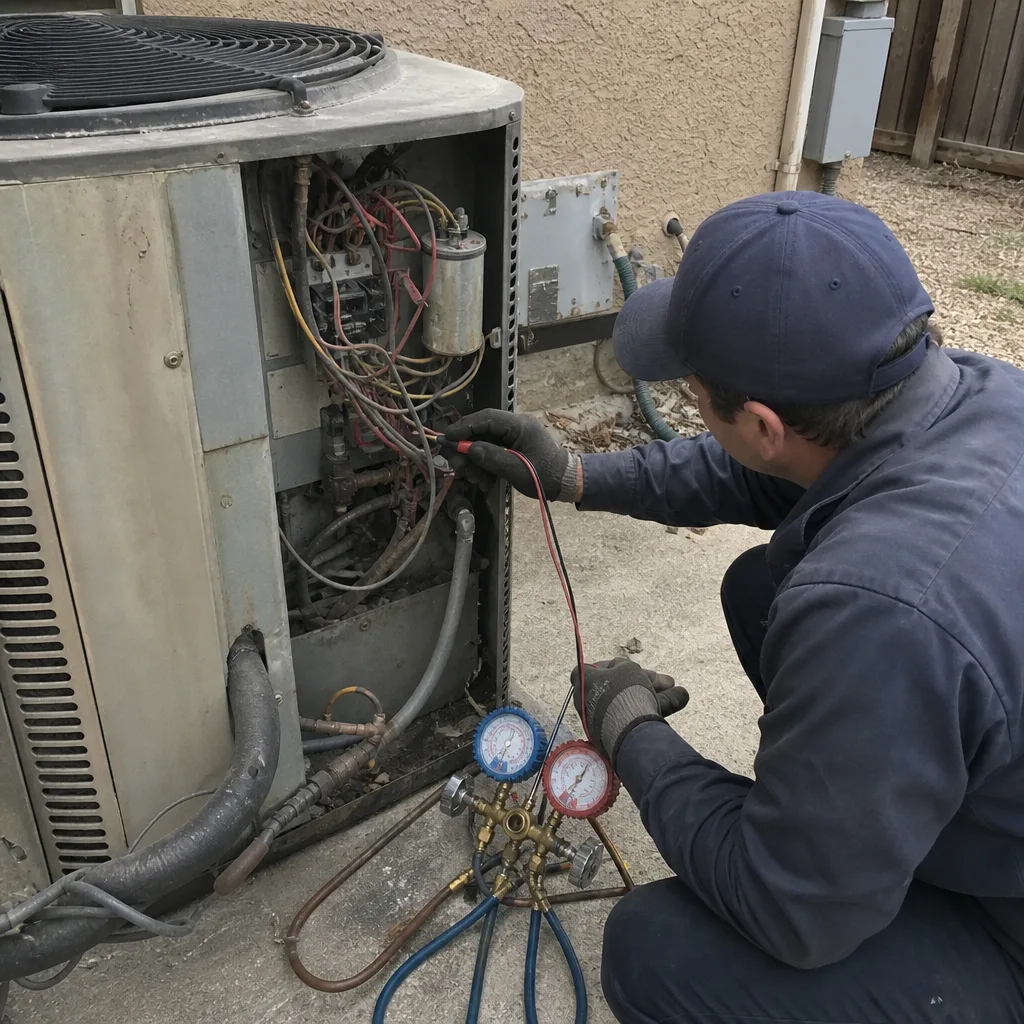
Here’s what’s actually happening. The monsoon brings blowing dust that settles on coils and outdoor cabinets, then rain that turns that dust into a damp film on metal surfaces. Refrigerant line fittings, service valves, and the liquid line filter drier are common spots for surface corrosion to start when that film stays on them for weeks. Meanwhile, the electrical connections inside the outdoor unit’s contactor and capacitor terminals are exposed to temperature swings, humidity, and fine dust all summer, and a loose or corroded connection at a capacitor terminal is one of the most common causes of a mid-summer no-cool call.
What we check after monsoon season:
- Coil cleaning and cabinet rinse to remove residue from the wet season.
- Visual inspection of refrigerant line connections for corrosion or oil staining.
- Tightening and testing of electrical terminals at the contactor and capacitor.
- Checking the outdoor disconnect for moisture intrusion.
- Condensate drain flow after heavy rain periods, since high humidity raises indoor condensate volume.
These checks are why a post-monsoon appointment in October or November is worth scheduling in Enterprise. It catches small corrosion and connection issues before they become summer failures. If you notice your outdoor unit running but not cooling, or tripping the breaker, that’s a call-now situation rather than a wait-and-see one.
The Filter Schedule That Matches Enterprise’s Dust Load
Most filter manufacturers recommend changing filters every 90 days. In Enterprise, that schedule is often too slow. Local dust load is higher than the national average, and the blowing dust during monsoon season makes it worse, so a filter that runs 90 days in a low-dust climate can be loaded with debris in 45 to 60 days here.
The right interval depends on three things: the filter’s MERV rating, whether you have pets, and how much outdoor air gets drawn into the return. Here’s a starting point that works for most Enterprise homes:
- Basic 1-inch fiberglass filter: check monthly, change every 30 to 45 days during cooling season.
- 1-inch pleated filter (MERV 8 to MERV 11): check every 45 days, change every 60 days during cooling season.
- 4-inch media filter: check every 60 days, change every 90 to 120 days depending on dust and pet load.
- Any filter after a dust storm: check it the week after, since a single storm can load a filter significantly.
A clogged filter is the most common cause of reduced cooling and frozen coils we see on AC repair calls in Enterprise. The fix is almost always simpler and cheaper than the homeowner expects, but the underlying lesson is worth remembering: match the filter schedule to the local dust load, not the manufacturer’s default. If a filter clogs faster than usual, there may be a duct or return-side issue worth checking.
Coil Care and Airflow Through the Cooling Months
Your AC’s efficiency lives or dies on airflow, and in Enterprise airflow degrades faster than in most places because dust collects on outdoor coils all summer. The condenser coil sits in the outdoor unit and pulls air through itself constantly; when that coil’s fins are clogged, the system works harder, runs longer, and uses more energy to cool the same home.
Outdoor coil cleaning once a year, ideally in late spring before the hottest stretch, is one of the highest-return maintenance items in this climate. We recommend it alongside the pre-season visit in late February to mid-March, or at the latest in April before the first extended heat. Indoor coils should be checked as part of an annual visit or whenever cooling performance drops.
Signs your airflow has a problem:
- Weak airflow at registers even with a new filter.
- Frozen refrigerant lines or ice on the indoor coil.
- Longer run times than last summer at similar outdoor temperatures.
- Higher than usual electric use for the same cooling.
Any of those is worth a call. Frozen lines in particular can mean a refrigerant charge issue, a restriction, or a blower problem, and guessing at the cause instead of diagnosing it usually costs more than the original call would have.
A Season-by-Season Maintenance Checklist
Here’s the full year, in order, for an Enterprise home. Print it, stick it on the fridge, and use it to schedule service at the right times instead of the busiest ones.
Late winter (late February to mid-March):
- Book a pre-season AC appointment before the schedule fills.
- Replace the filter (or check and note the load).
- Clean or schedule cleaning of the outdoor condenser coil.
- Test the thermostat and confirm calibration.
- Test the condensate drain and float switch.
Cooling season (April through October):
- Check filters monthly during April through September, and again in October.
- Check the outdoor unit weekly during peak heat for debris; rinse lightly if dust is visible on the cabinet or coil.
- After any monsoon storm, check the filter and inspect the outdoor unit for standing water or debris.
- Listen for new noises (rattle, squeal, or repeated clicking) and call if they persist.
Late fall (late October to November):
- Book heating maintenance before the first cold mornings.
- Have the furnace ignition, flame sensor, heat exchanger, and venting checked by a technician.
- Test the heating thermostat and blower operation.
- Do a post-monsoon electrical and connection inspection on the outdoor unit.
Winter (December through January):
- Keep filters on a 60-day check.
- Note any odd noises or short cycles for the next service visit.
If your system is a Bryant or an American Standard and you haven’t had a technician look at it in over a year, this is the moment to do it, rather than the first 105-degree afternoon. To plan a service visit, see Enterprise or call us directly; we cover the full lifecycle from AC repair to AC installation for whatever your equipment needs.
Warning Signs That Mean Call Now, Not Next Season
Some issues can wait for the next maintenance window. Others should get checked immediately, because a small problem at the start of the cooling season can become a system failure by the middle of it. Here’s the line between the two.
Call now:
- Frozen refrigerant lines or ice on the indoor unit.
- Burning smell or visible smoke from the equipment.
- Tripped breaker on the outdoor unit, especially if it happens repeatedly.
- Water pooling around the indoor air handler or condensate line.
- Strange noises from the outdoor unit that started suddenly.
- Furnace short cycling, delayed ignition, or a smell of gas.
Note and schedule:
- A filter that clogs a bit faster than usual.
- Slightly longer run times than last year at similar weather.
- A thermostat that’s mildly out of calibration.
- Small amounts of dust on the outdoor cabinet.
When something on the “call now” list happens, don’t run the system to see if it clears. Frozen refrigerant lines in particular can damage the compressor if the system keeps running, and that’s a much bigger repair than the one you’d have had otherwise. Gas smells and burning smells are a safety call; shut the system off and call from outside before doing anything else.
Common Mistakes to Avoid
- Following the filter manufacturer’s 90-day rule here. Enterprise dust load is heavier than the default interval assumes, and a filter that runs 90 days in a milder climate can be loaded by 60 here.
- Skipping heating maintenance because the heating season is short. A furnace that’s idle for nine months can fail on the first cold morning, and that’s when every other household in Enterprise calls at once.
- Booking pre-season work in April instead of late February or early March. By April the schedule is already filling, and by May everything is urgent. The window exists for a reason; use it.
- Assuming the “off-season” is longer than it is. Between the cooling load that stretches through October and the heating demand that returns by late March, the low-load stretches in Enterprise add up to roughly eight weeks, not a full winter.
- Ignoring the outdoor unit after monsoon season. Corrosion on refrigerant line connections and loosened electrical terminals from the wet months are easy to miss and cheap to fix early.
- Running the system after a frozen line appears. Compressor damage from continued operation turns a small repair into a system replacement.
- Waiting for an emergency to decide on replacement. A midsummer failure forces a decision without time to compare options. Ask for a repair-or-replace assessment while there’s still schedule room.
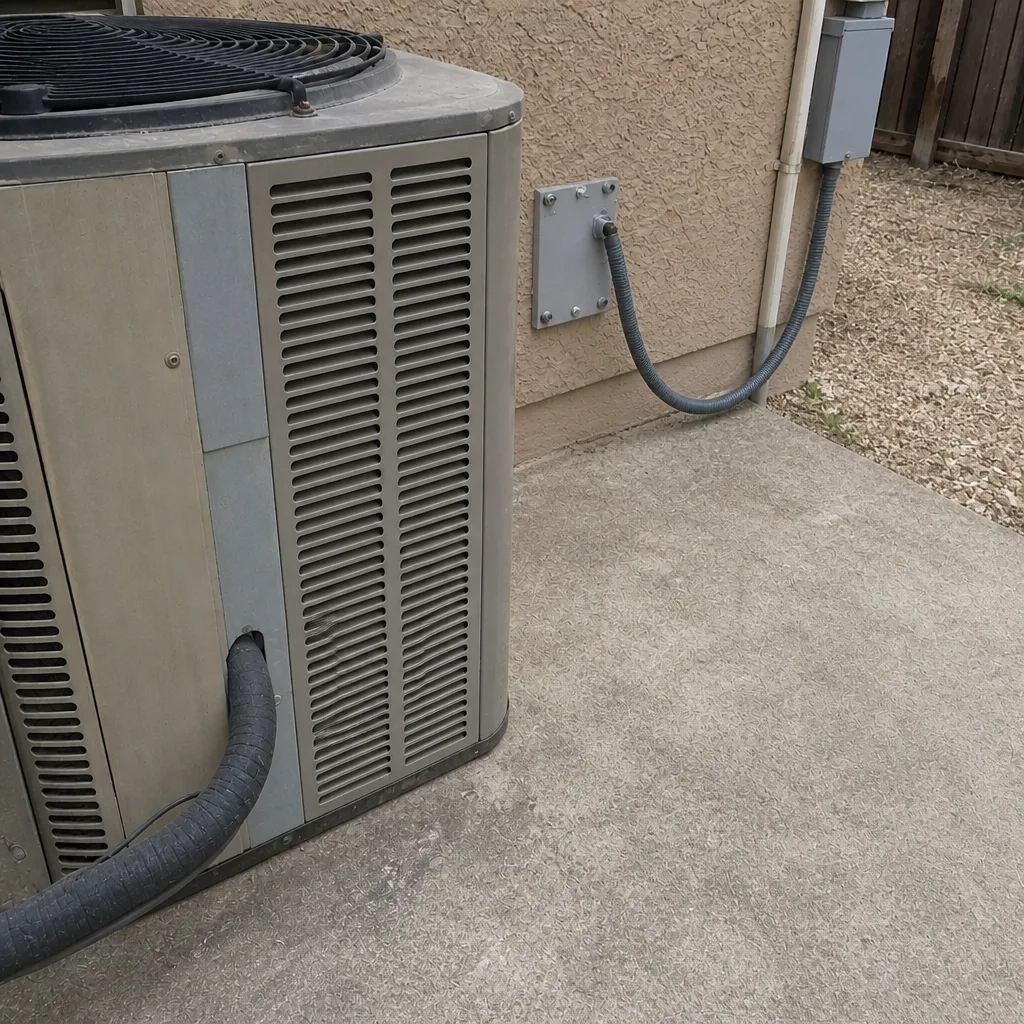
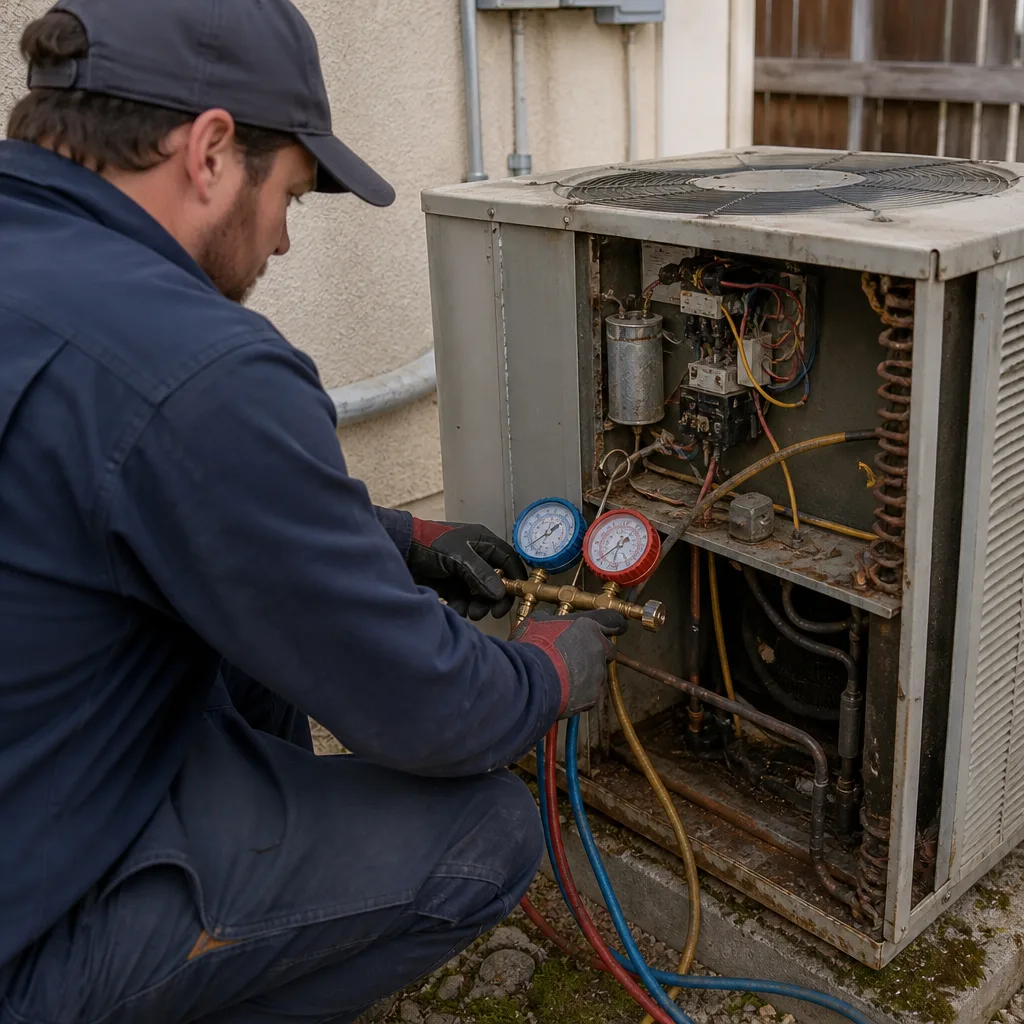
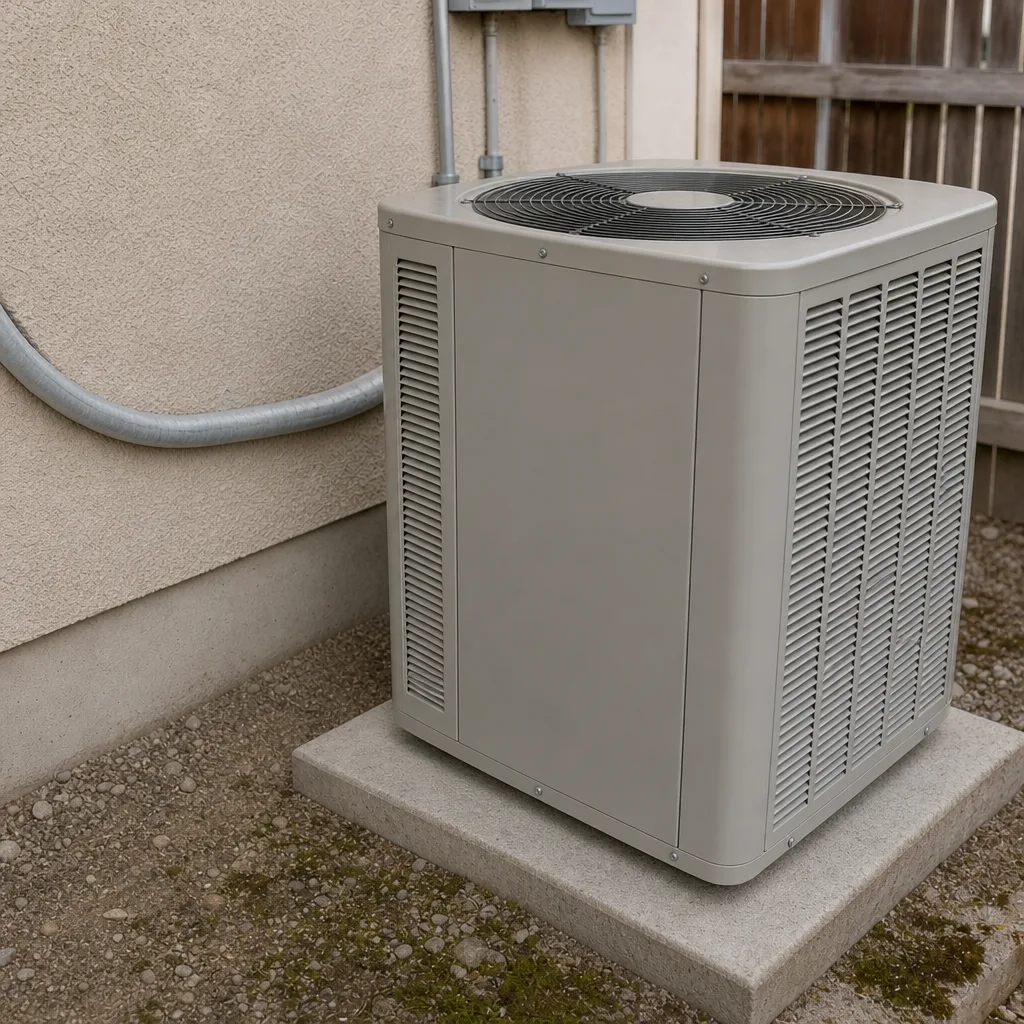
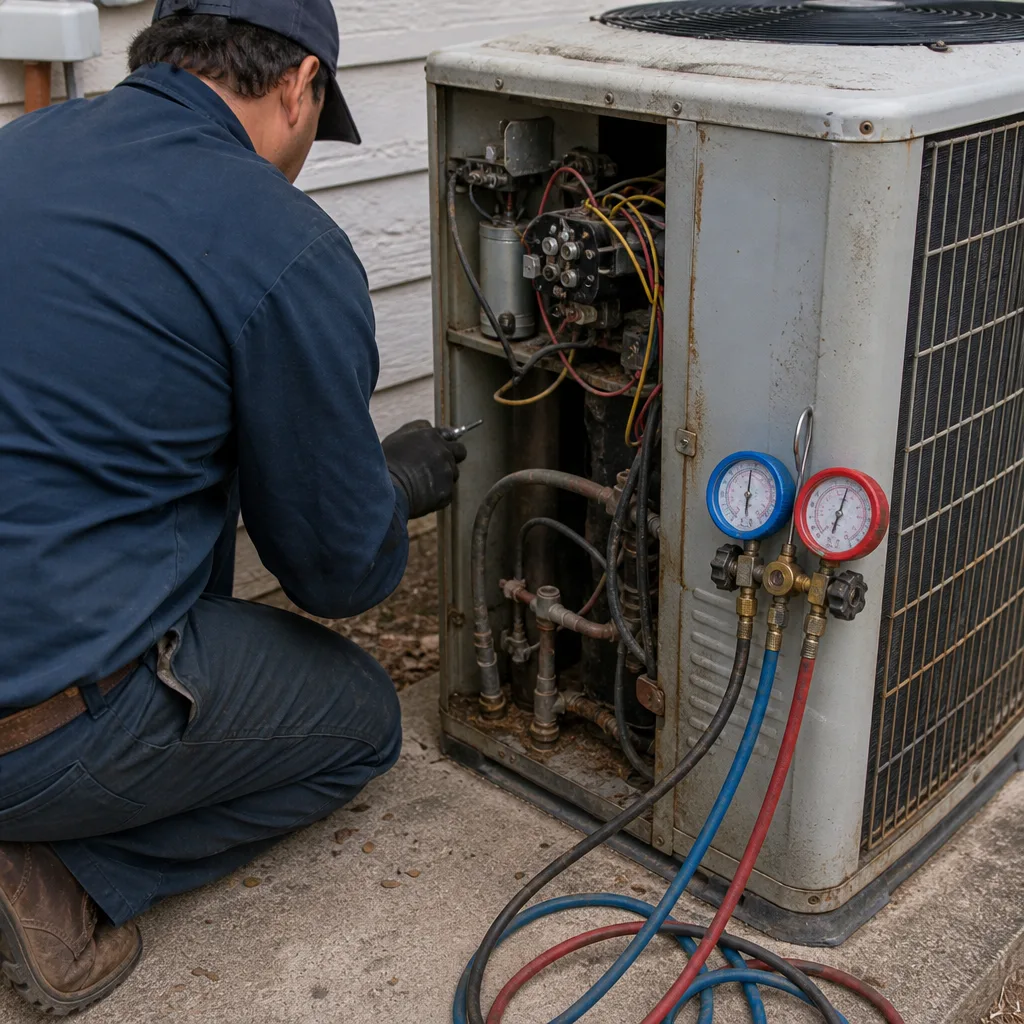
See the difference
 Before
 After
 Before
 After
 Before
 After
When to Call a Professional
Some jobs belong in a homeowner’s hands: checking filters, cleaning dust off the outdoor cabinet, and noting unusual noises. Everything else in this guide, especially furnace venting, heat exchanger inspection, refrigerant charge, and electrical connections, belongs with a trained technician. Refrigerant work requires licensed handling, and gas furnace work carries real safety risk. If your system is running but not cooling properly, if it’s tripping a breaker, if you smell gas or burning, or if you’re heading into the cooling season with equipment you haven’t had looked at in over a year, call. AC Repair Enterprise offers free estimates in Enterprise: call (833) 632-6348. We’re an HVAC-only company, and we work on the brand you already have rather than pushing a preferred product line.
Frequently Asked Questions
Late February through mid-March. Cooling demand hasn’t started, technicians have room in the schedule, and any repair that turns up can be handled before summer. April is workable but busier, and June is too late to be called pre-season. Call (833) 632-6348 to get on the schedule during that window before it fills.
Every 30 to 60 days during the cooling season, depending on the filter type and dust load, which is faster than the manufacturer’s default 90-day recommendation. Enterprise’s dust load is heavier than most climates, and monsoon season adds to it. Check the filter after any dust storm and replace if it’s visibly loaded. If you’re not sure what your system needs, ask during a service visit.
Yes. The compressed heating season in Enterprise still causes furnace failures, and those failures almost always happen on the first cold morning when demand is highest. Ignition components, the heat exchanger, and venting all deserve an annual look regardless of how many heating hours you log each year. Book heating maintenance in late October or early November.
No, and please don’t try. Refrigerant lines carry pressurized refrigerant and the connections inside the outdoor unit hold live electrical terminals, so a visual check by a trained technician is the right approach. Homeowner checks that are safe: filter replacement, cabinet dust clearing, and noting odd noises or breaker trips.
It depends on the age, condition, and type of failure, and a technician should assess before you decide. Our approach is repair-first; if the fault can be corrected at reasonable cost, we do that. Replacement gets recommended when repairs start stacking, efficiency has dropped materially, or continued repair cost exceeds the benefit. Call (833) 632-6348 for an honest assessment.
We service nine major HVAC brands, including Carrier, Trane, Lennox, Goodman, Rheem, York, Daikin, Bryant, and American Standard, so a single call covers the equipment you already own regardless of who installed it. A brand-specific approach means the technician reads your system correctly instead of guessing. To book, call (833) 632-6348.
The Bottom Line
Enterprise’s HVAC calendar runs on desert logic, not the national maintenance schedule. Cooling demand stretches from April into October, heating demand compresses into six to eight weeks, and the maintenance windows that actually matter fall in late February through mid-March and again in late fall. Match your filter schedule to local dust load rather than the 90-day default, plan a post-monsoon inspection for outdoor coil and electrical condition, and treat heating maintenance as an annual must even though the season is short. If you’re ready to book, call us for a free estimate and we’ll work around the window your equipment actually needs.
Written by the team at AC Repair Enterprise.